Introduction to Computer Science
Introduction to Computer Science
What Is Computer Science?
Most people think computer science is just about programming. While coding is a big part of it, the field is much broader. At its heart, computer science is the study of computation and information. It's about how we can use computers to solve problems, process data, and create new possibilities.
Think of it as a toolkit for problem-solving. It gives us a way to break down complex challenges into logical steps that a machine can execute. This isn't just about building apps or websites; it's about understanding the fundamental principles that make all digital technology work.
A Quick Trip Through Time
The idea of computation is ancient. Early humans used tools like the abacus to perform calculations. But the journey to modern computers began with visionaries who imagined machines that could do more than just arithmetic.
In the 19th century, Charles Babbage designed the Analytical Engine, a mechanical computer that, in theory, could be programmed with punch cards. It was never fully built, but it laid the conceptual groundwork for what was to come.
The real revolution started in the 20th century. The shift from mechanical gears to electronic circuits was a game-changer. Massive machines like ENIAC, built in the 1940s, could perform calculations thousands of times faster than a human. They filled entire rooms and consumed huge amounts of power.
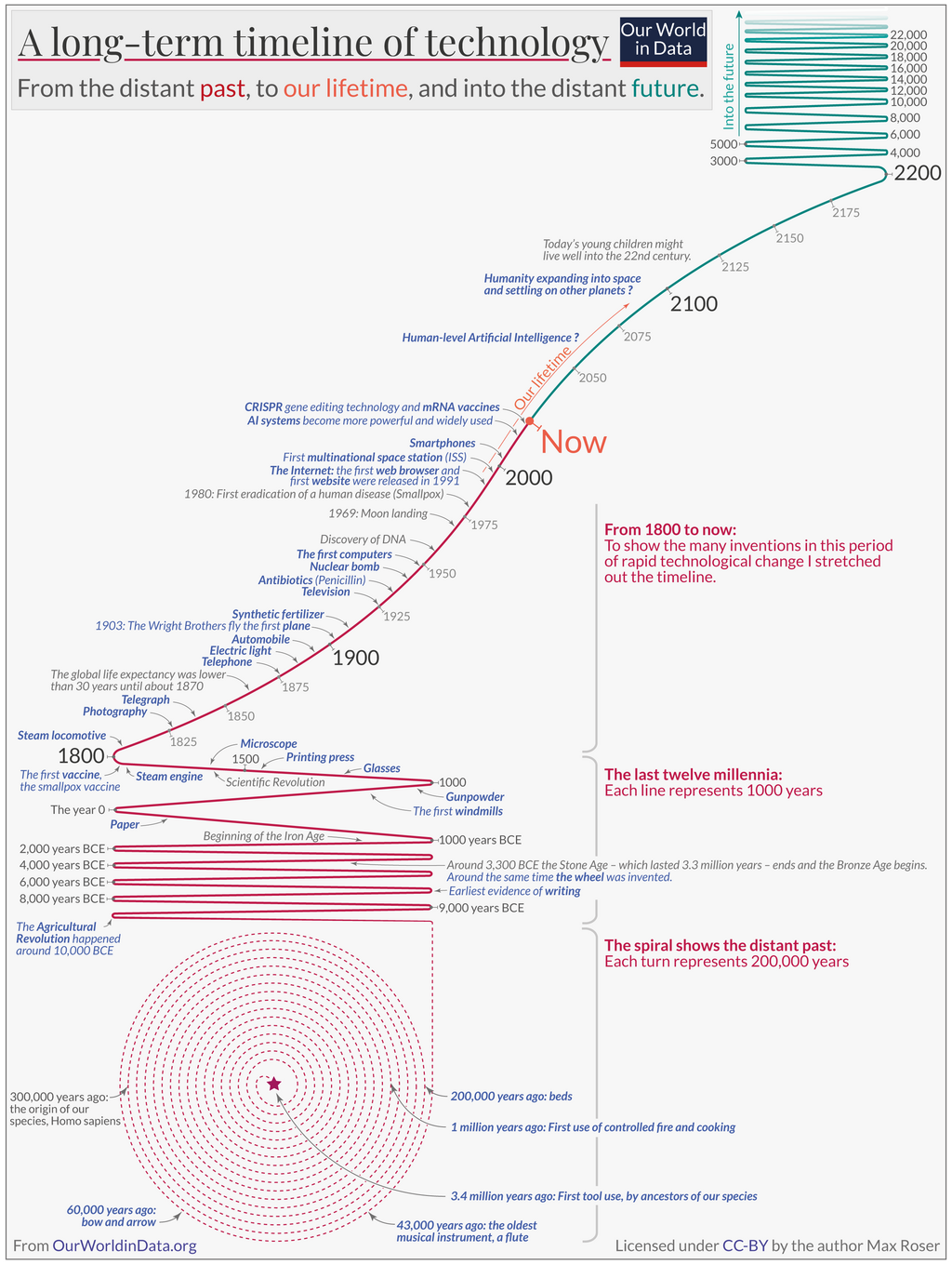
The invention of the transistor in 1947 was a crucial step. It replaced bulky, unreliable vacuum tubes, allowing computers to become smaller, faster, and more energy-efficient. Soon after, the integrated circuit packed many transistors onto a tiny silicon chip.
This miniaturization led to the personal computer (PC) revolution in the 1970s and 80s. Companies like Apple and IBM brought computing out of research labs and into homes and offices. The final piece of the modern puzzle was the internet, which connected these individual machines into a global network, changing how we live, work, and communicate forever.
The Many Fields of CS
Computer science isn't a single subject. It's a sprawling discipline with many specialized areas, much like how medicine has doctors who focus on everything from the heart to the brain. Each field tackles different types of problems and requires a unique set of skills.
| Field | What It Is |
|---|---|
| Artificial Intelligence (AI) | Making computers that can perform tasks that normally require human intelligence, like recognizing images or understanding language. |
| Cybersecurity | Protecting computer systems and networks from theft, damage, or unauthorized access. |
| Data Science | Using scientific methods and algorithms to extract knowledge and insights from structured and unstructured data. |
| Computer Graphics | Creating images and videos using computers. This is the magic behind video games, animated movies, and special effects. |
| Networking | Designing and managing the communication links that allow computers to share information, from a small office network to the global internet. |
| Human-Computer Interaction (HCI) | Studying how people interact with computers and designing technologies that are easy and enjoyable to use. |
These are just a few examples. As technology evolves, new fields emerge, and existing ones blend together. A data scientist might use AI to analyze network traffic for a cybersecurity firm, touching on three different fields at once.
The common thread is problem-solving. Whether it's creating a realistic digital character, securing a transaction, or finding patterns in a massive dataset, it all comes back to using computation to find a solution.
Ready to test your understanding of these foundational concepts?
What is the fundamental focus of computer science?
Which invention was the key technological leap that replaced large, inefficient vacuum tubes and enabled the creation of smaller, faster computers?
Understanding these core ideas is the first step. It provides the context for all the practical skills you'll learn later on. This foundation helps you see the big picture of how technology works and its profound impact on our world.