Introduction to Computer Science
Introduction to Computer Science
The Idea of a Computer
At its core, a computer is a machine that follows instructions to manipulate information. Think of it like a very fast, very obedient, and very literal-minded cook. You give it a recipe (a program) and ingredients (data), and it follows the recipe step-by-step to produce a dish (the output).
The incredible thing about computers is that the “recipes” they follow can be for anything from sending a message to a friend, to calculating the orbit of a planet, or even creating art.
This ability to be programmed for different tasks is what makes a computer a general-purpose tool. Unlike a calculator, which is only designed for math, a computer can become a word processor, a movie player, or a game console just by running different software.
A Quick Trip Through Time
The idea of a machine that computes is much older than the device on your desk. For centuries, humans used tools like the abacus to perform calculations. But the dream of a machine that could follow a set of instructions came into focus in the 19th century with Charles Babbage, an English mathematician. He designed the Analytical Engine, a mechanical computer that, in theory, could be programmed with punched cards. Ada Lovelace, another visionary, wrote what are considered the first algorithms for this machine, recognizing its potential beyond simple calculation.
The first electronic, general-purpose computers were built in the 1940s. These machines, like the ENIAC, were enormous, filling entire rooms and using thousands of vacuum tubes. They were powerful for their time but slow, expensive, and unreliable by today's standards.
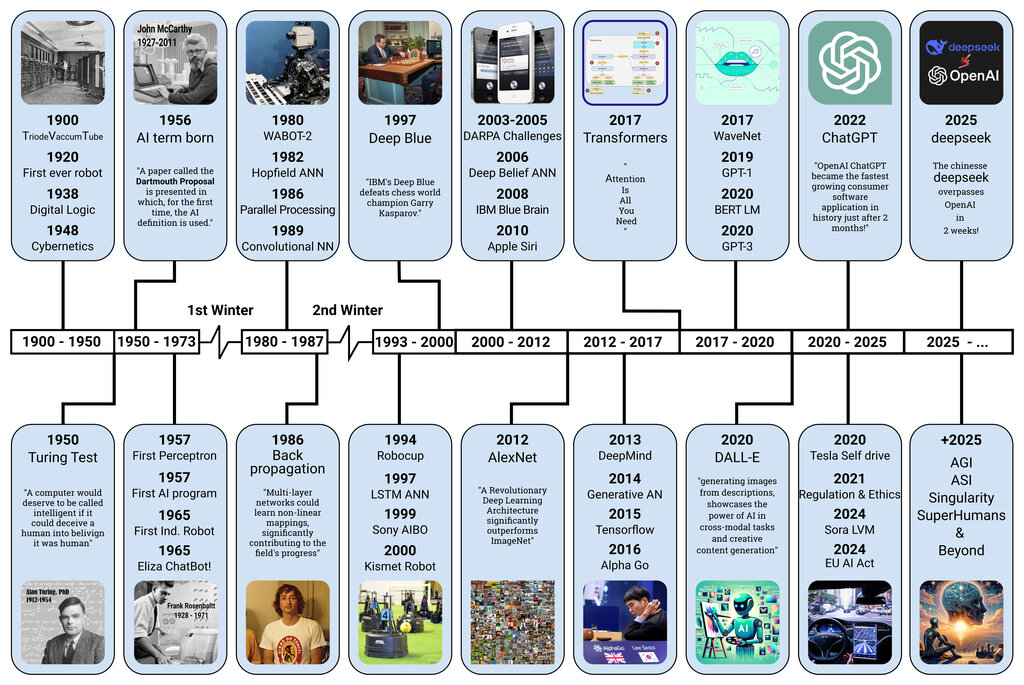
The real revolution came with two key inventions. First, the transistor in the 1940s replaced bulky vacuum tubes, making computers smaller and more reliable. Then, in the 1950s and 60s, the integrated circuit packed many transistors onto a tiny silicon chip. This miniaturization is why the smartphone in your pocket is millions of times more powerful than the room-sized computers of the past.
Inside the Machine
So, what are the basic parts that make a computer work? We can think of them as a team of specialists working together. There are four main components.
-
Central Processing Unit (CPU): This is the brain of the operation. It performs all the calculations and executes the instructions from programs. The speed of the CPU is a major factor in how fast a computer feels.
-
Memory (RAM): Think of this as the computer's short-term memory or workspace. When you open a program or a file, it gets loaded into RAM so the CPU can access it quickly. This memory is volatile, meaning its contents are erased when the power is turned off.
-
Storage: This is the computer's long-term memory, like a filing cabinet. It's where you save your files, applications, and the operating system. Unlike RAM, storage keeps your information even when the computer is off. Examples include hard disk drives (HDDs) and solid-state drives (SSDs).
-
Input/Output (I/O) Devices: These are how the computer communicates with the outside world. Input devices let you give information to the computer (like a keyboard, mouse, or microphone). Output devices let the computer give information back to you (like a monitor, speakers, or printer).
Speaking the Language of Computers
How does a computer actually process information? It all comes down to a very simple concept: electricity being either on or off. Computers represent these two states with the numbers 1 (on) and 0 (off). This system is called binary.
bit
noun
The smallest unit of data in a computer, representing a single binary value of either 0 or 1.
Every piece of information on a computer—every letter in this article, every pixel in a photo, every note in a song—is stored as a long sequence of these 1s and 0s. The CPU is designed to read these binary instructions and perform operations on them at incredible speeds.
When you type the letter 'C' on your keyboard, the computer doesn't see a 'C'. It sees a specific pattern of bits, like 01000011. The CPU then processes this pattern to display the shape of a 'C' on your screen.
This process of taking input, processing it according to a set of instructions, and producing output is the fundamental cycle of everything a computer does. It's a simple foundation that allows for incredible complexity, from browsing the web to exploring virtual worlds.
What is the fundamental purpose of a computer?
Which component acts as the computer's short-term or volatile memory, holding data for programs that are currently running?
Understanding these core ideas—the history, the hardware, and the way information is processed—is the first step into the world of computer science.