Introduction to Computer Science
Introduction to Computer Science
More Than Just Machines
What is computer science? Many people think it's about learning to code or build computers. That's part of it, but it’s not the whole story. At its heart, computer science is the study of problem-solving. It’s about how we can use computation to understand and interact with the world.
Think of it like this: anyone can learn to drive a car, but it takes an engineer to understand how the engine works, how to design a more efficient transmission, or how to make the car safer. Computer science is the engineering side of computing. It's not just about using the tools, but about creating them and understanding the principles that make them work.
Computer science is the study of processes: how we can describe them, how to make them happen, and what their limits are.
The Idea of Computation
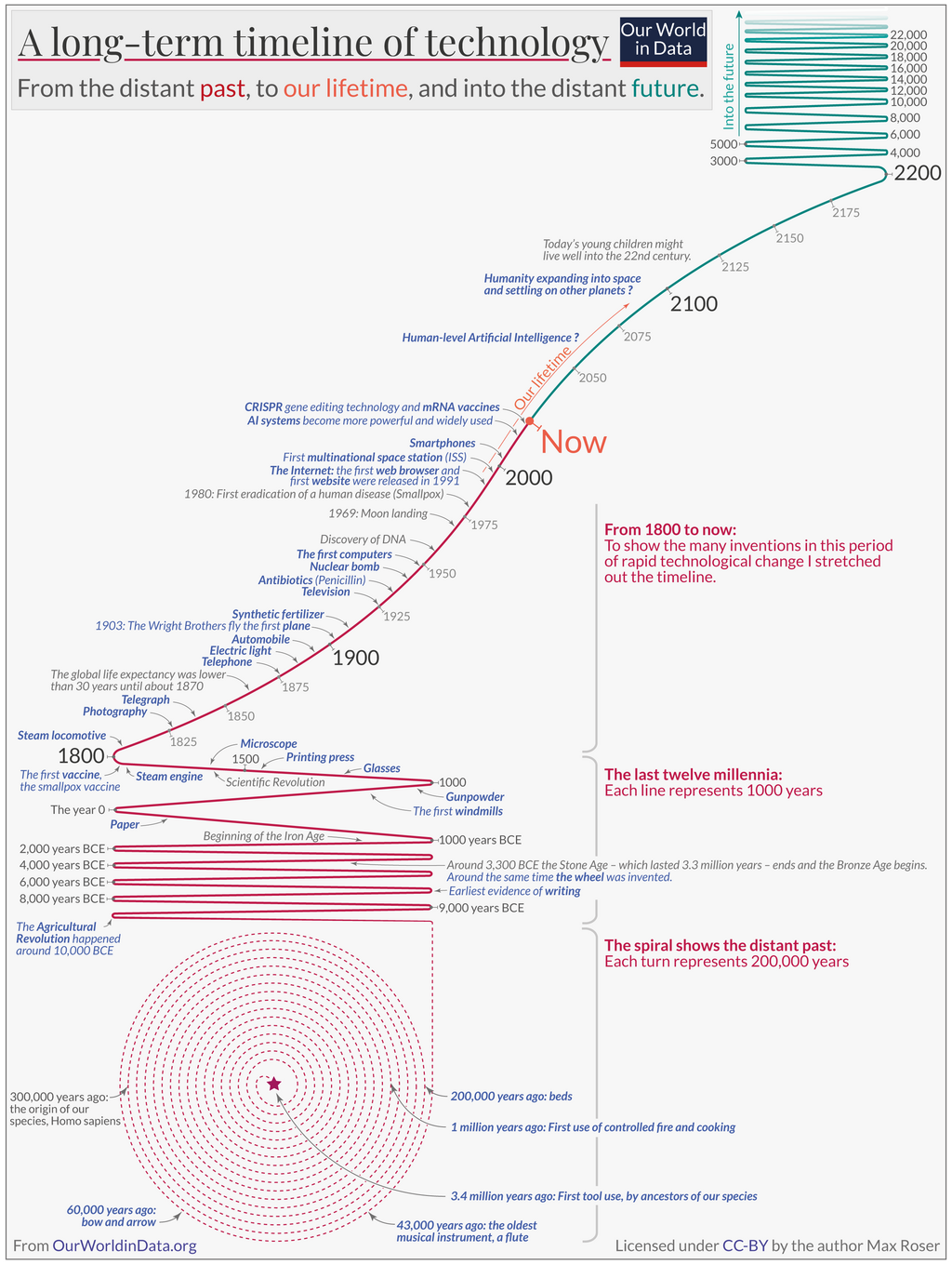
The desire to compute, to calculate and process information, is ancient. Early humans used tally marks on bones. The abacus helped merchants for centuries. These were all tools for computation.
The first ideas for a programmable machine came long before electricity. In the 1830s, Charles Babbage designed the Analytical Engine, a mechanical computer. Ada Lovelace, a mathematician, wrote the first algorithm intended to be processed by such a machine. They were thinking about computation as a process, separate from the technology used to perform it.
From mechanical gears to vacuum tubes, then transistors, and finally to the microchips we use today, the technology has changed dramatically. But the core ideas of processing information have remained surprisingly consistent.
Recipes for Solving Problems
The fundamental tool of a computer scientist is the algorithm. An algorithm is simply a step-by-step recipe for solving a problem. To be useful, each step must be clear and unambiguous.
Algorithm
noun
A finite sequence of well-defined, computer-implementable instructions, typically to solve a class of specific problems or to perform a computation.
Consider the problem of sorting a deck of cards. One simple algorithm is to go through the deck, find the lowest card, and put it at the front. Then, go through the rest of the deck, find the next-lowest card, and put it in the second position. You repeat this process until all the cards are sorted. It's a clear set of instructions that guarantees a solution.
Computers are machines that are exceptionally good at following algorithms. They do exactly what they're told, billions of times per second, without getting tired or making mistakes. The trick is to give them the right instructions.
Thinking Like a Computer Scientist
Developing these instructions requires a specific way of thinking called computational thinking. It's not about thinking like a machine. It's a human problem-solving process that involves a few key principles. This approach helps us translate a messy, real-world problem into a series of steps a computer can execute.
An emphasis on computational thinking skills – as opposed to more technical implementation skills – can better position students to address whatever technologies become predominant in the future (Tissenbaum & Ottenbreit-Leftwich, 2020).
The core principles are:
- Decomposition: Breaking down a complex problem into smaller, more manageable parts.
- Pattern Recognition: Looking for similarities or trends among these smaller problems.
- Abstraction: Focusing on the important details while ignoring irrelevant information. For example, when you use a map app, you care about the route, not the brand of asphalt on the road.
- Algorithm Design: Developing the step-by-step solution to solve each of the smaller problems and then the whole.
This way of thinking is powerful. It’s a framework for tackling problems of any kind, whether you're planning a trip, organizing a company's data, or designing a new piece of software.
According to the text, what is the most accurate description of the core focus of computer science?
Who is credited with writing the first algorithm intended to be processed by a machine?
These foundational concepts are the starting point for everything else in computer science. Understanding them gives you the framework to explore how we command machines to solve some of humanity's biggest challenges.