Introduction to Computer Fundamentals
Introduction to Computers
What Is a Computer?
At its core, a computer is a machine that follows instructions. It takes in information, processes it, and then produces some kind of output. Think of it like a very fast and obedient chef. You give it a recipe (the instructions) and the ingredients (the information), and it quickly prepares the dish (the output).
Computer
noun
An electronic device for storing and processing data, typically in binary form, according to instructions given to it in a variable program.
This simple concept of input, processing, and output is the foundation for everything computers do, from sending an email to exploring distant galaxies. They are powerful tools because they perform these tasks with incredible speed and accuracy.
A Quick Trip Through Time
Computers didn't just appear overnight. Their history stretches back further than you might think. Early concepts began with mechanical calculating machines, like Charles Babbage's Analytical Engine in the 1800s, which was designed to perform complex calculations automatically. These were gears-and-levers devices, not electronic ones.
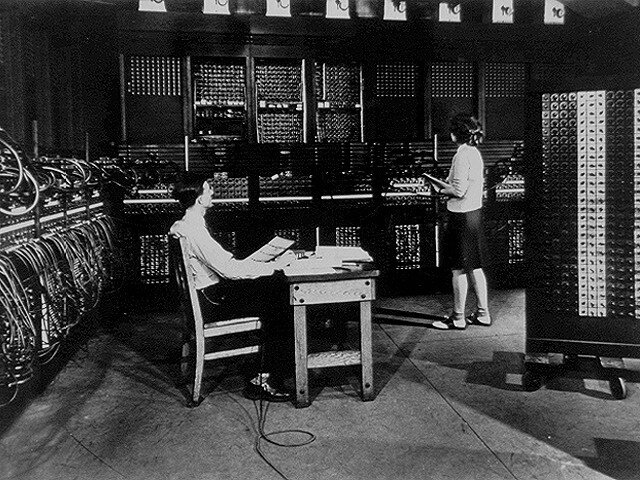
The 20th century brought the electronic age. Machines like the ENIAC used vacuum tubes to process information, marking a huge leap in speed and capability. As technology advanced, transistors replaced bulky vacuum tubes, leading to smaller, faster, and more reliable computers. This miniaturization eventually put the power of a room-sized computer from the 1940s right onto your desk, and now, into your pocket.
Types of Computers
Today, computers come in all shapes and sizes, each designed for different needs. While they all operate on the same basic principles, their form and function can vary widely.
| Type | Description | Common Use |
|---|---|---|
| Desktop | A personal computer that fits on or under a desk. | Home, office, gaming |
| Laptop | A portable, all-in-one computer. | Work, school, travel |
| Server | A powerful computer that provides services to other computers over a network. | Hosting websites, managing email |
| Smartphone | A mobile phone with advanced computing capabilities. | Communication, apps, internet access |
| Embedded | A specialized computer system that is part of a larger device. | Cars, microwaves, smartwatches |
Basic Functions and Applications
No matter the type, all computers perform four basic functions: input, storage, processing, and output.
- Input: You provide data to the computer using a keyboard, mouse, or microphone.
- Storage: The computer saves this data, either temporarily or permanently.
- Processing: The computer's brain works on the data according to your instructions.
- Output: The computer shows you the result on a screen, through speakers, or on a printer.
These functions enable an enormous range of applications across every field imaginable. In entertainment, computers create special effects for movies and power video games. In science, they model complex systems like climate change and help analyze DNA. In business, they manage inventory, process transactions, and connect teams across the globe. They are the backbone of modern communication, from social media to global finance.
At its most fundamental level, a computer is a machine that does what?
What technological advancement was key to making computers smaller, faster, and more reliable than the early room-sized machines that used vacuum tubes?
This foundational knowledge sets the stage for understanding how these remarkable machines work in more detail.