Introduction to Computer Engineering
Introduction to Computer Engineering
What Is Computer Engineering?
Computer engineering is where the physical world of electronics meets the abstract world of code. It's the discipline of designing, building, and maintaining computer systems, covering everything from the tiniest microchip to the massive data centers that power the internet.
Think of it this way: hardware is the musical instrument, and software is the music. A computer engineer is both the instrument maker and the composer, ensuring they work together in perfect harmony.
This field blends two major areas: electrical engineering and computer science. Electrical engineers traditionally focus on physical devices and electronics. Computer scientists focus on algorithms, data, and software. Computer engineers bridge that gap, understanding the entire system from top to bottom. They figure out how to make software run efficiently on physical hardware and how to design hardware that best supports the software of today and tomorrow.
A Quick Trip Through Time
Early computing devices weren't electronic at all. They were mechanical marvels of gears and levers, like Charles Babbage's Analytical Engine in the 1830s. The real revolution began with electronics. In the 1940s, machines like ENIAC used thousands of bulky, unreliable vacuum tubes to perform calculations.
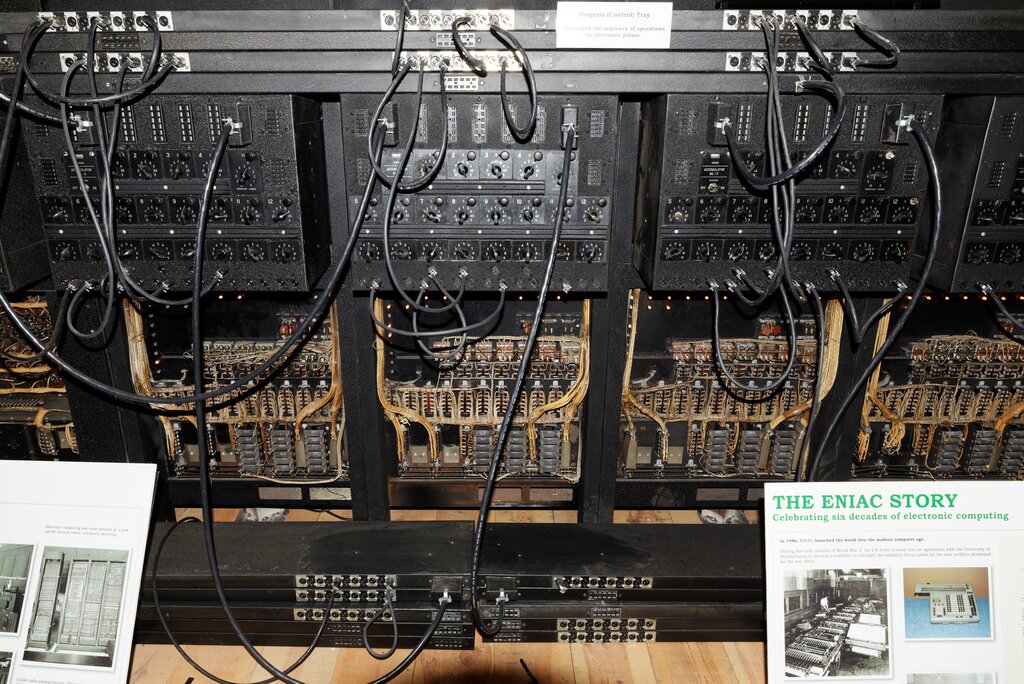
The game-changer was the invention of the transistor in 1947. Transistors were tiny, fast, and reliable switches that replaced vacuum tubes. A few years later, engineers figured out how to put multiple transistors onto a single piece of silicon, creating the integrated circuit, or chip. This breakthrough kicked off an era of incredible miniaturization and speed, paving the way for everything from personal computers to smartphones.
Hardware Meets Software
Every computing device you use is a symphony of hardware and software working together. Hardware refers to the physical components of a computer system. Software is the set of instructions that tells the hardware what to do.
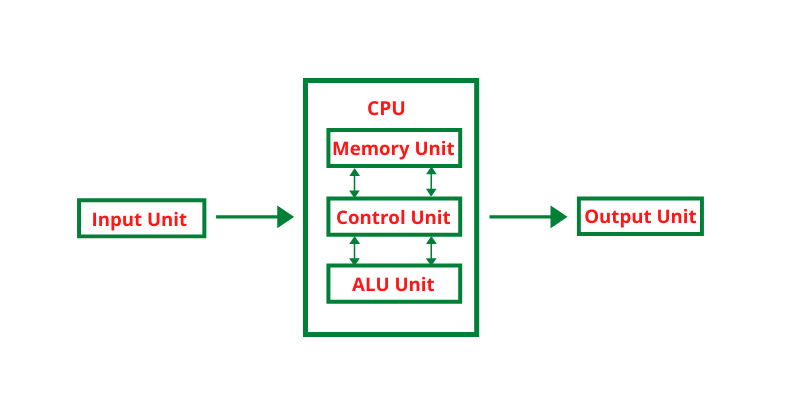
The main hardware players are:
- CPU (Central Processing Unit): The brain of the computer, executing commands.
- Memory (RAM): Short-term storage for data the CPU is actively using.
- Storage (Hard Drive/SSD): Long-term storage for your files and programs.
- Input/Output Devices: Your keyboard, mouse, and monitor, which let you interact with the computer.
Software is broadly split into two types:
- Operating System (OS): The master program (like Windows, macOS, or Android) that manages all the hardware and runs other software.
- Applications: Programs that perform specific tasks, like a web browser, word processor, or game.
The magic happens at the interface between them. When you click an icon, the OS translates that action into low-level instructions the CPU can understand. The CPU then fetches data from storage, uses RAM to work on it, and sends the result back to your screen. Computer engineers design this entire process to be as fast and seamless as possible.
The Future is Now
Computer engineering is one of the fastest-moving fields. Today, it’s at the heart of major technological shifts.
Artificial Intelligence (AI): AI requires immense computing power. Computer engineers are designing specialized processors (like GPUs and TPUs) that can handle the massive calculations needed for machine learning.
Internet of Things (IoT): This is the network of everyday objects—from smart watches to thermostats—that are embedded with sensors and connected to the internet. Engineers work on creating the low-power chips and communication systems that make these devices possible.
Quantum Computing: While still in its early days, quantum computing promises to solve problems that are impossible for today's computers. Computer engineers are at the forefront of building the incredibly complex hardware needed to control quantum bits, or qubits.
Let's review some of the key terms we've covered.
Ready to test your knowledge?
What is the primary role of a computer engineer?
What invention was the key catalyst for replacing bulky vacuum tubes and enabling the miniaturization of computers?
From designing the chips in your phone to building the infrastructure for the next wave of AI, computer engineering is the engine driving our technological world forward.