Introduction to Computer-Aided Design
Introduction to CAD
What is CAD?
Computer-Aided Design (CAD) is the use of computer software to create, modify, and analyze 2D or 3D designs. Think of it as a digital drafting board, but with superpowers. Instead of pencils, rulers, and compasses, designers use a mouse and keyboard to draw with incredible precision. The core purpose of CAD is to make the design process faster, more accurate, and easier to share.
CAD software allows designers to create highly accurate digital models, streamlining the production process and reducing the margin for error.
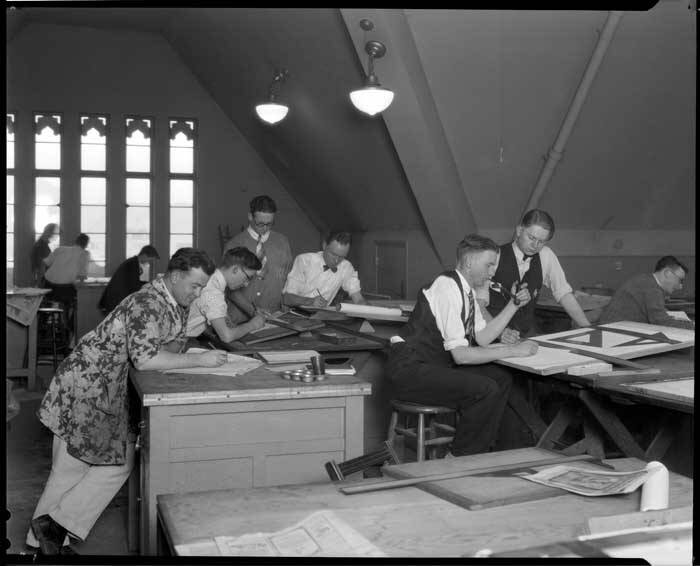
Before CAD, every design was a physical drawing. If you made a mistake or wanted to change something, you had to start over with a fresh sheet of paper. With CAD, a single click can erase a line, resize a component, or even test how a part will behave under stress. It's a fundamental tool that turns ideas into detailed plans for everything from skyscrapers to smartphones.
A Brief History
The journey of CAD began in the 1950s and 60s, driven by the automotive and aerospace industries. Companies like General Motors and Renault needed a more efficient way to design complex car bodies. An early pioneer was Dr. Patrick Hanratty, whose system, called PRONTO, was the first commercial numerical-control programming system. He is often called the “Father of CAD/CAM.”
Another major breakthrough was Sketchpad, developed in 1963 at MIT by Ivan Sutherland. It was a revolutionary program that allowed designers to draw directly on a screen with a special light pen. For the first time, a computer could interpret lines and shapes as a cohesive design, not just a collection of pixels.
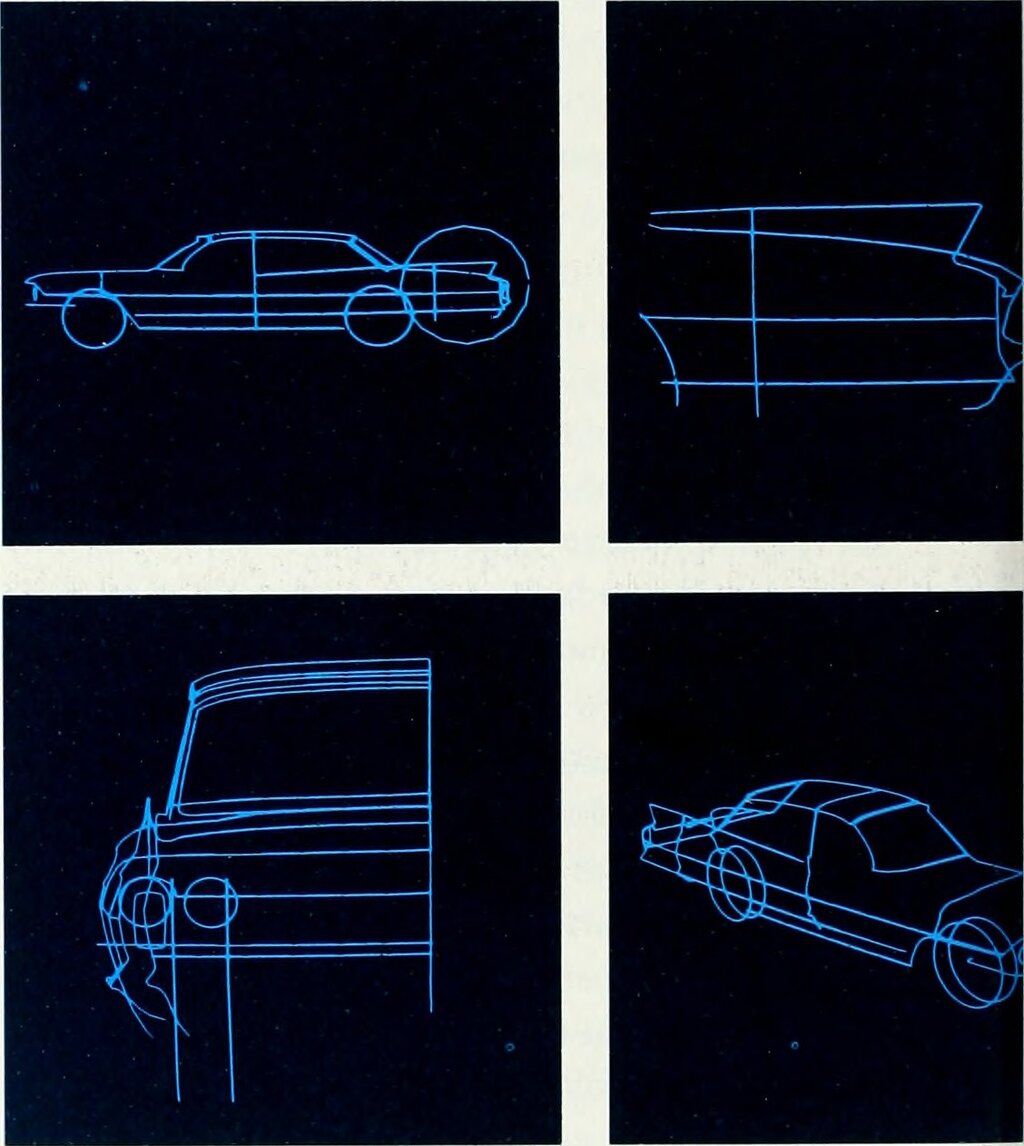
These early systems were incredibly expensive and ran on massive mainframe computers. CAD was a tool for large corporations only. It wasn't until the 1980s, with the rise of personal computers, that CAD software like AutoCAD became accessible to smaller firms and individual designers. This shift democratized design, putting powerful tools into the hands of millions.
Why Use CAD?
The benefits of using CAD are immense. It transforms the design process from a manual, error-prone task into a streamlined, digital workflow. Let's break down the key advantages.
| Benefit | Description |
|---|---|
| Precision | CAD software allows for designs with exact dimensions and tolerances, eliminating the guesswork of manual drafting. |
| Efficiency | Designers can create and modify drawings much faster. Repetitive tasks can be automated, and existing designs can be easily copied and altered. |
| Collaboration | Digital files can be shared instantly with team members, clients, and manufacturers anywhere in the world, ensuring everyone is working from the same plan. |
| Visualization | 3D models allow designers to see their creation from every angle. They can even create realistic renderings or animations to show how the final product will look and function. |
| Analysis | Advanced CAD systems can simulate real-world conditions, allowing engineers to test for stress, heat tolerance, or aerodynamic flow before a physical prototype is ever built. |
These advantages mean fewer errors, lower costs, and a much shorter time from concept to production. By catching design flaws on the computer, companies can avoid expensive mistakes on the factory floor.
Who Uses CAD?
CAD is a versatile technology used across a vast range of industries. While the specific software might change, the core principles remain the same. Here are just a few of the fields where CAD is indispensable.
- Architecture, Engineering, and Construction (AEC): Architects use CAD to create blueprints and 3D models of buildings. Engineers use it to design everything from bridges to circuit boards. Construction teams use CAD plans to ensure everything is built to specification.
- Manufacturing: Product designers and mechanical engineers create detailed models of parts and assemblies. These models are often sent directly to machines (like 3D printers or CNC mills) for manufacturing, a process known as Computer-Aided Manufacturing (CAM).
- Automotive and Aerospace: This is where CAD got its start. Designing cars, airplanes, and spacecraft involves incredibly complex systems that would be nearly impossible to manage without CAD.
- Industrial Design: From furniture to kitchen appliances, industrial designers use CAD to develop the form and function of everyday products.
- Entertainment: CAD software is used to create the stunning 3D models and environments seen in video games and animated movies.
It's clear that CAD is more than just a drawing tool. It's the digital language that connects an idea to a finished product. It has fundamentally changed how we design and build the world around us.
Ready to check your understanding?
What is the primary purpose of using Computer-Aided Design (CAD) software?
Which early, revolutionary program developed at MIT in 1963 allowed designers to draw directly on a screen with a light pen?
By understanding the what, why, and who of CAD, you have a solid foundation for exploring the specifics of how this powerful technology is used in practice.