Introduction to Coding
Introduction to Programming
What Is Programming?
At its core, computer programming is simply the act of giving a computer a set of instructions to follow. Think of it like writing a recipe. A recipe lists ingredients and provides step-by-step directions for a chef to create a dish. A computer program does the same thing, but the “chef” is a computer, and the “dish” can be anything from a website to a video game or a complex scientific model.
Computers are powerful, but they are not smart in the way humans are. They can't guess what you mean or fill in missing steps. They need every instruction to be precise, logical, and complete. Programming is the skill of translating a human idea into a detailed set of commands that a computer can understand and execute flawlessly.
Programming
noun
The process of creating a set of instructions that tell a computer how to perform a specific task.
How Computers Follow Instructions
A programmer writes instructions using a programming language, which is designed to be readable by humans. This is called source code. But a computer’s central processing unit (CPU), its brain, only understands one language: machine code. Machine code is a series of ones and zeros that directly control the computer's hardware.
So, how does source code become machine code? A special program, either a compiler or an interpreter, acts as a translator. It takes the human-readable source code and converts it into the binary machine code that the CPU can execute. This process happens incredibly fast, allowing the computer to run the program and perform the intended task.
Why Programming Matters
Programming is the backbone of the modern world. Every time you use your smartphone, browse the internet, watch a movie on a streaming service, or use an ATM, you are interacting with a computer program. Programmers are the architects and builders of this digital infrastructure.
Learning to code isn't just about building software. It's about developing a new way to think. It teaches you how to break down complex problems into smaller, manageable parts—a skill that is valuable in any field.
The applications are virtually limitless. Scientists use programming to analyze massive datasets and simulate complex systems, from climate change to the spread of diseases. Artists create interactive installations and digital art. Engineers design everything from self-driving cars to smart home devices. In business, programming automates repetitive tasks, analyzes market trends, and powers e-commerce platforms.
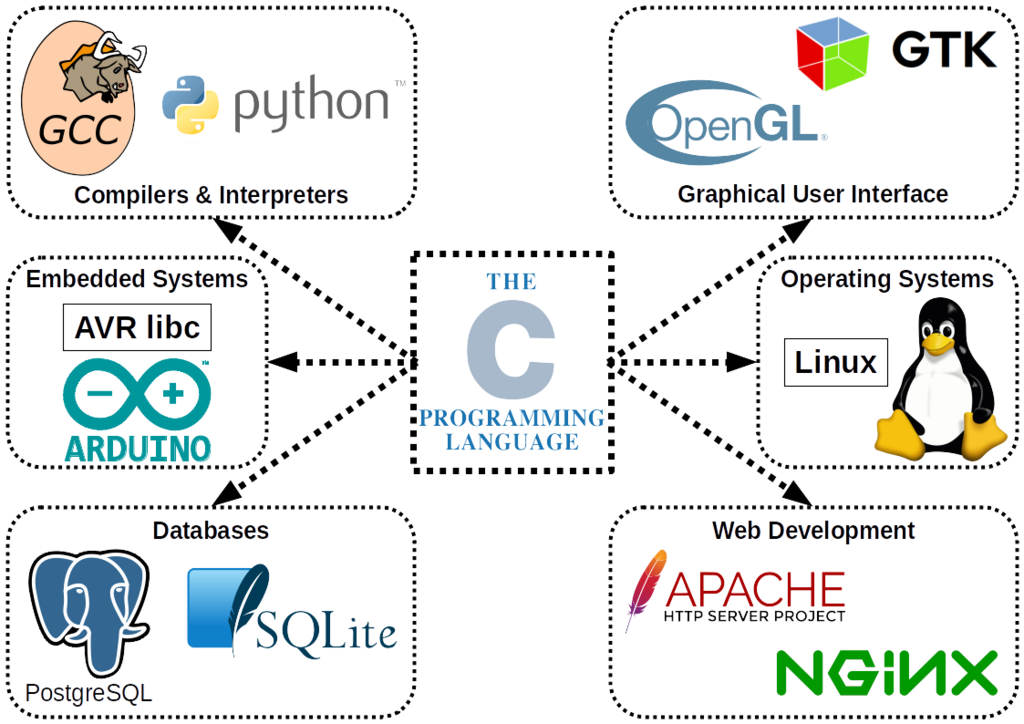
By learning the fundamentals of programming, you gain a deeper understanding of the technology that shapes our lives. You are no longer just a user of technology, but someone who understands how it works and can potentially create with it.
At its core, computer programming is most like which of the following activities?
The human-readable instructions written by a programmer are known as ________.