Introduction to Coding Principles
Introduction to Programming
What is Programming?
At its core, programming is simply the act of giving a computer a set of instructions to perform a specific task. Think of it like writing a recipe. A recipe lists ingredients and provides step-by-step directions to bake a cake. Similarly, a program lists commands for a computer to follow to achieve a goal, like displaying a website or calculating a sum.
A program is a sequence of instructions that specifies how to perform a computation.
Computers, however, don't understand English or any other human language. They have their own language, which is incredibly basic and consists of electrical signals representing ones and zeros. Our job as programmers is to bridge this gap, translating our ideas into a format the computer can understand and execute.
From Human to Machine
So how do we get from a thought in our head to an action on a computer screen? We start by writing our instructions in a human-readable format called source code. This code is written in a programming language, which acts as a middle ground between our language and the computer's native tongue.
But the computer can't run source code directly. It needs a special program, called a compiler or an interpreter, to translate the source code into machine code, the series of ones and zeros the computer’s processor can actually execute. This translation process is a crucial step that turns our abstract commands into concrete actions.
The Language of Computers
There isn't just one programming language; there are thousands. Why so many? Different languages are designed for different purposes. Some, like JavaScript, are built for creating interactive websites. Others, like C++, are optimized for high-performance applications like video games. Python is popular for data science and artificial intelligence because it's easy to learn and has powerful libraries for handling data.
Languages can be broadly categorized as high-level or low-level.
-
High-level languages are more abstract and human-friendly. They use words and syntax that are closer to English, which makes them easier to write and read. Python and Java are great examples.
-
Low-level languages, like Assembly, are much closer to machine code. They give the programmer precise control over the computer's hardware but are much more difficult and tedious to work with.
Writing and Running a Program
No matter the language, the basic workflow of creating a program is generally the same. It involves a few key steps:
| Step | Action | Description |
|---|---|---|
| 1 | Write | You type your source code into a text editor or a specialized tool called an Integrated Development Environment (IDE). |
| 2 | Compile / Interpret | You use a compiler or interpreter to translate your source code into machine code. The tool will check for errors in your code first. |
| 3 | Run (Execute) | If there are no errors, the computer's Central Processing Unit (CPU) runs the machine code, carrying out your instructions. |
| 4 | Debug | If the program doesn't work as expected, you go back to the source code to find and fix the errors (or 'bugs'). |
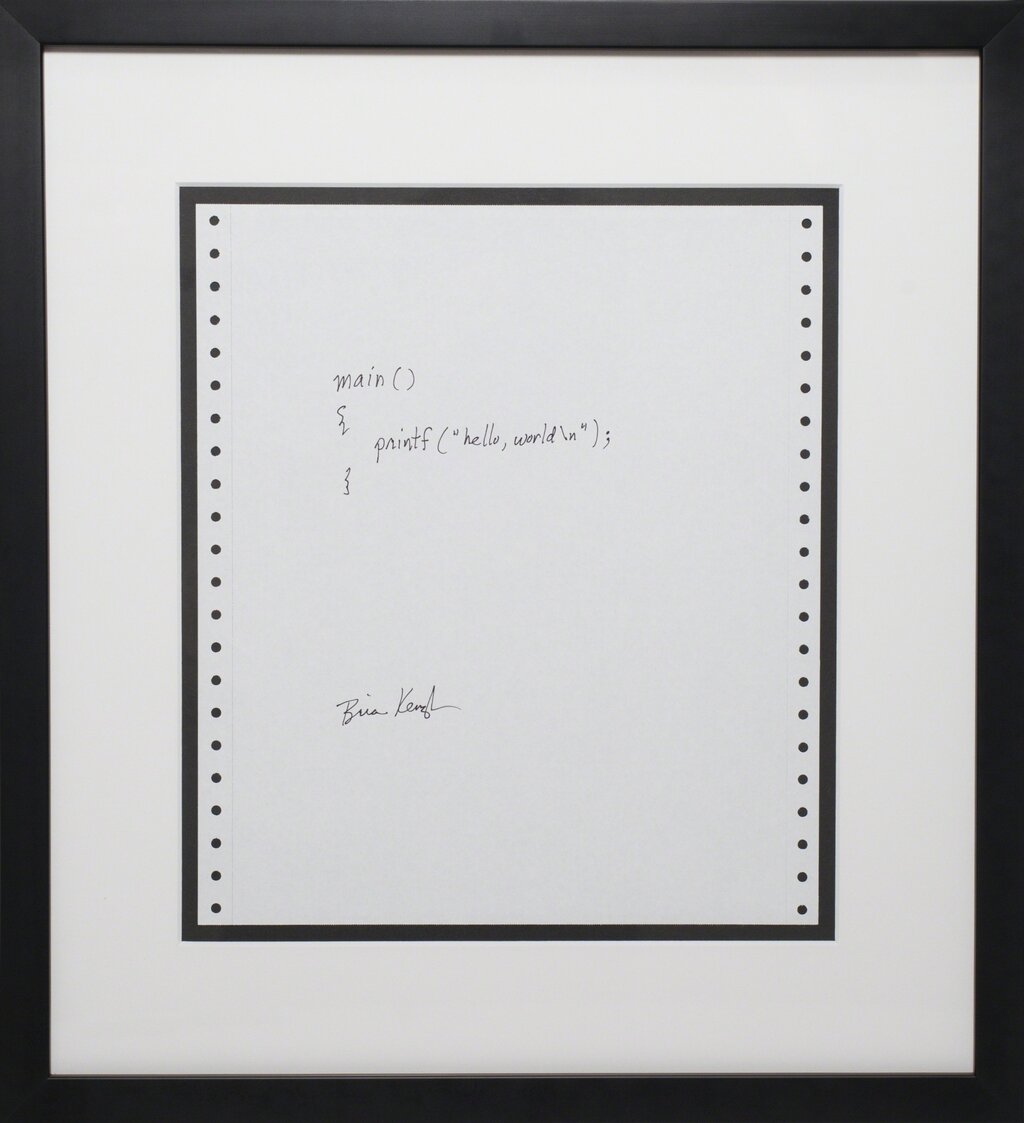
A classic first program for any new coder is one that simply displays "Hello, World!" on the screen. It's a simple task, but it proves that you have successfully written, compiled, and run your first piece of code. It's the first step on a long and rewarding journey.
Ready to test your understanding of these core concepts?
What is the primary role of a compiler or an interpreter?
Which of the following best describes a high-level programming language like Python or Java?
Understanding these fundamentals provides the foundation for all programming. With this base, you're ready to start exploring specific languages and building your own creations.