Introduction to Coding
Introduction to Programming
Giving Computers Instructions
At its heart, programming is simply the act of giving a computer a set of instructions to follow. Think of it like writing a recipe. A recipe lists specific steps in a precise order to achieve a goal, like baking a cake. If you miss a step or write it unclearly, you won't get the cake you wanted.
Computers are like chefs who take every instruction literally and have no room for interpretation. They can perform tasks incredibly fast and accurately, but only if they're told exactly what to do and how to do it. Programming is how we write that hyper-specific recipe.
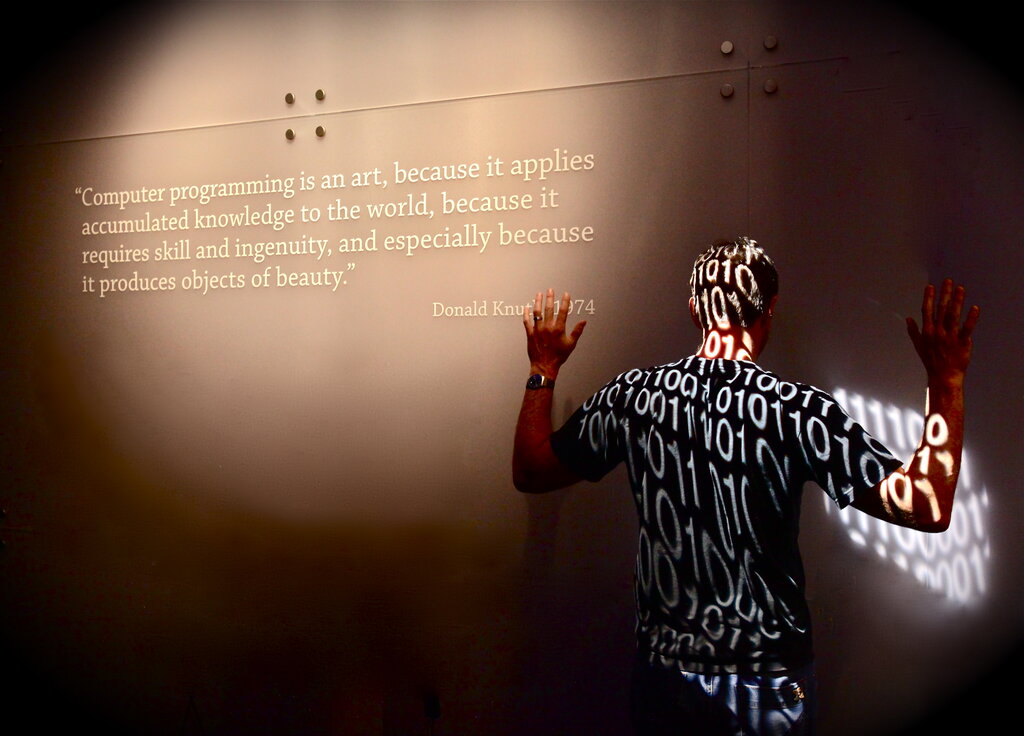
The purpose of programming is to solve problems. This can be anything from calculating a restaurant bill and splitting it among friends, to guiding a spacecraft to another planet. We use programming to create the apps on our phones, the websites we visit, the video games we play, and the software that helps businesses run. It's a tool for automation, creation, and discovery.
The Language of Computers
We can't just write instructions for a computer in English or any other human language. Computers have their own language, which at its most basic level is just a series of ones and zeros called binary code. Writing in binary is incredibly tedious and difficult for humans.
To bridge this gap, we use programming languages. These languages act as a middle ground, allowing us to write instructions in a way that is more readable for us. Special programs called compilers or interpreters then translate our code into the binary instructions the computer's processor can understand.
Think of it like this: You want to give instructions to someone who only speaks a rare dialect. You could try to learn their dialect (like writing in binary), or you could hire a translator. Programming languages are like translators, making communication possible and much more efficient.
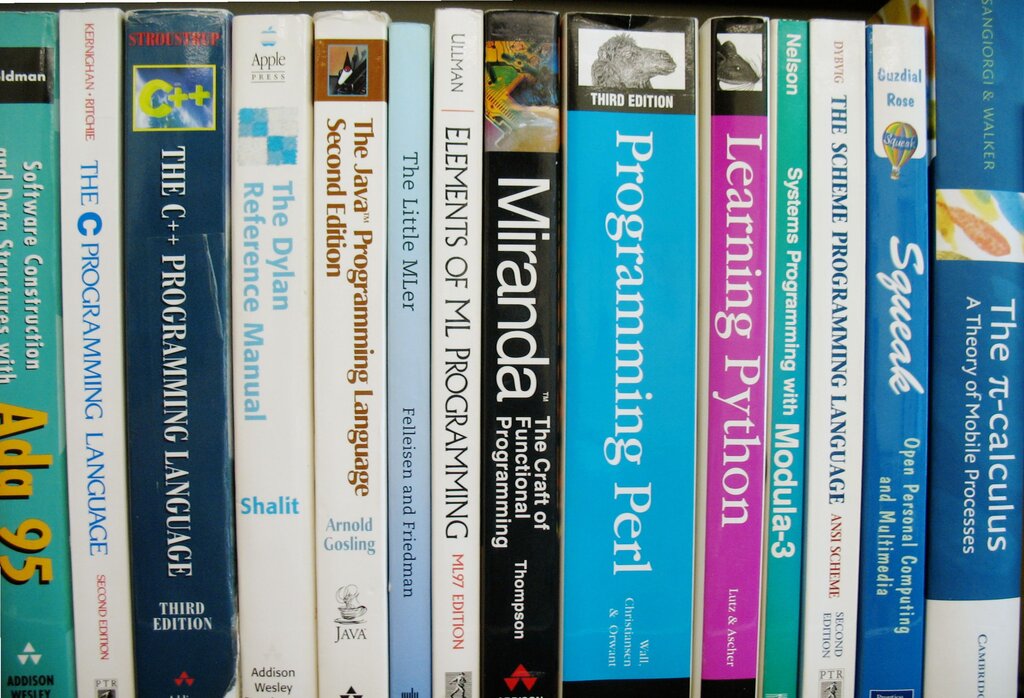
There are hundreds of different programming languages, each with its own strengths and weaknesses. Some are designed for building websites, others for analyzing data, and some for controlling robots. For example, Python is known for being easy to learn and is popular in data science, while JavaScript is the workhorse of the web, making websites interactive.
The Power of Algorithms
Before you can write a program, you need a plan. In programming, that plan is called an algorithm. An algorithm is a step-by-step procedure for solving a problem or accomplishing a task. It’s the logic behind the code.
algorithm
noun
A finite sequence of well-defined, computer-implementable instructions, typically to solve a class of specific problems or to perform a computation.
Let's consider a simple, everyday problem: making a cup of tea. An algorithm for this might look like this:
This is a simple algorithm. Each step is clear, unambiguous, and performed in a specific order. Once you have a solid algorithm, translating it into a programming language becomes much easier. The algorithm is the blueprint; the code is the final construction.
Thinking in terms of algorithms is one of the most fundamental skills in programming. It’s about breaking down a large, complex problem into smaller, manageable steps that a computer can execute.
What is the most fundamental concept of programming?
A(n) __________ is a step-by-step procedure for solving a problem, which acts as the blueprint for the code.
Understanding these core ideas—what programming is, the role of languages, and the importance of algorithms—is the first step on your journey into writing code.