Introduction to Coding
Introduction to Programming
What Is Programming?
Programming is how we tell computers what to do. Think of a computer as an incredibly powerful but very literal assistant. It can perform billions of calculations in a second, but it won't do anything until you give it precise, step-by-step instructions. A set of these instructions is called a program.
You interact with programs every day. The web browser you're using, the music streaming app on your phone, and the operating system that runs your device are all complex programs. Their purpose is to solve a problem, from connecting you with friends to helping you navigate a new city.
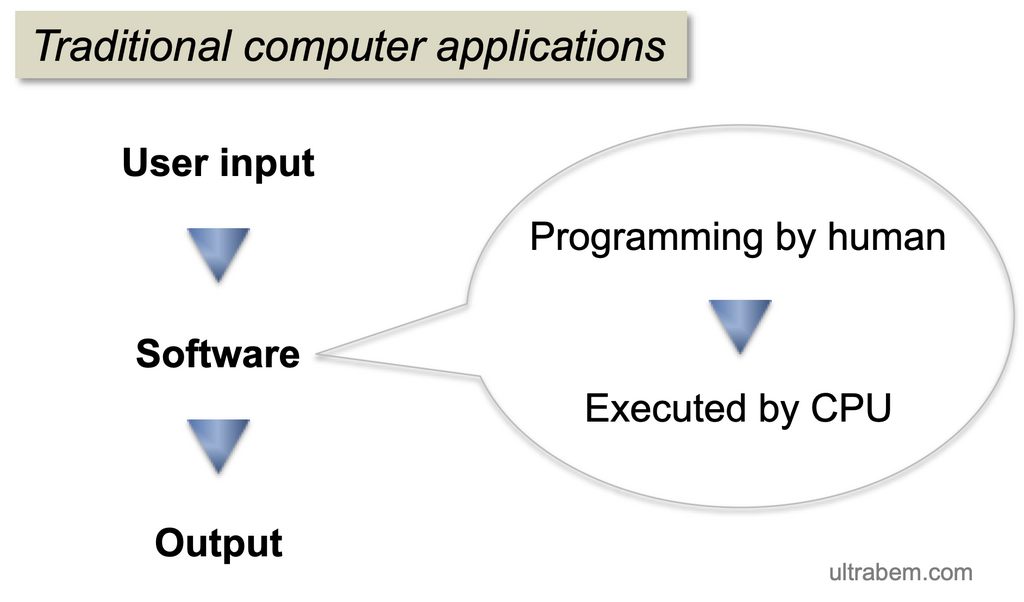
At its core, programming is about breaking down a large task into small, logical steps. It's a way of thinking that combines creativity with problem-solving.
Speaking the Computer's Language
We can't just write instructions for a computer in English or Spanish. Computers operate on a fundamental level of on and off signals, represented by ones and zeros. Trying to write instructions this way would be incredibly tedious. This is where programming languages come in.
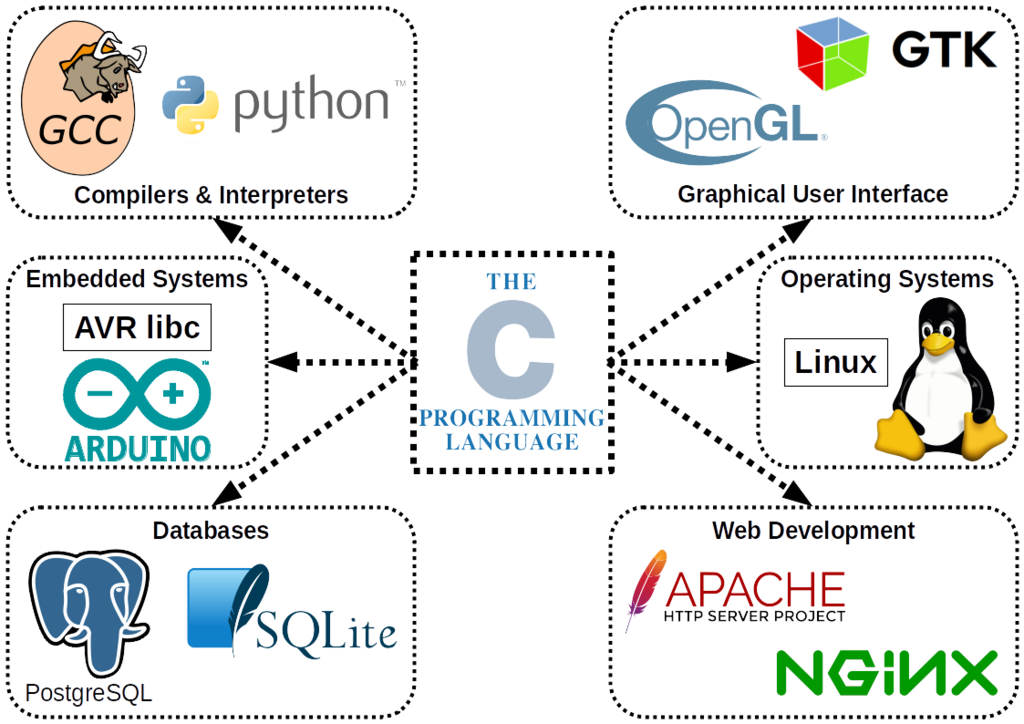
A programming language is a structured language that acts as a bridge between human thoughts and computer actions. Just like human languages have grammar and vocabulary, programming languages have rules and keywords, called syntax. There are thousands of programming languages, each with different strengths. Some are great for building websites, others are better for data analysis or creating video games. Learning to program is like learning a new language, but one that lets you communicate with machines.
From Code to Action
So how does a program written in a language like Python or C actually run? The human-readable instructions, known as source code, must be translated into machine-readable instructions. This process is called compilation or interpretation.
A compiler translates the entire program at once, creating a separate executable file. An interpreter translates and runs the program line by line. The end result is the same: the computer receives the instructions it needs to perform the task.
The most common first program for a new learner is one that simply displays "Hello, World!" on the screen. It's a simple way to confirm that your development environment is set up correctly and that you can successfully run a basic program.
// A classic "Hello, World!" in the C language
#include <stdio.h>

int main() {
    printf("Hello, World!\n");
    return 0;
}
Your Programming Workspace
To start programming, you need a few tools. Together, these tools form your development environment. At a minimum, you need a text editor to write your source code and a compiler or interpreter to translate it.
Many programmers use an Integrated Development Environment, or IDE. An IDE bundles all the necessary tools into a single application. It typically includes a sophisticated text editor with features like syntax highlighting (which colors your code to make it more readable) and autocompletion, along with tools for running and debugging your code.
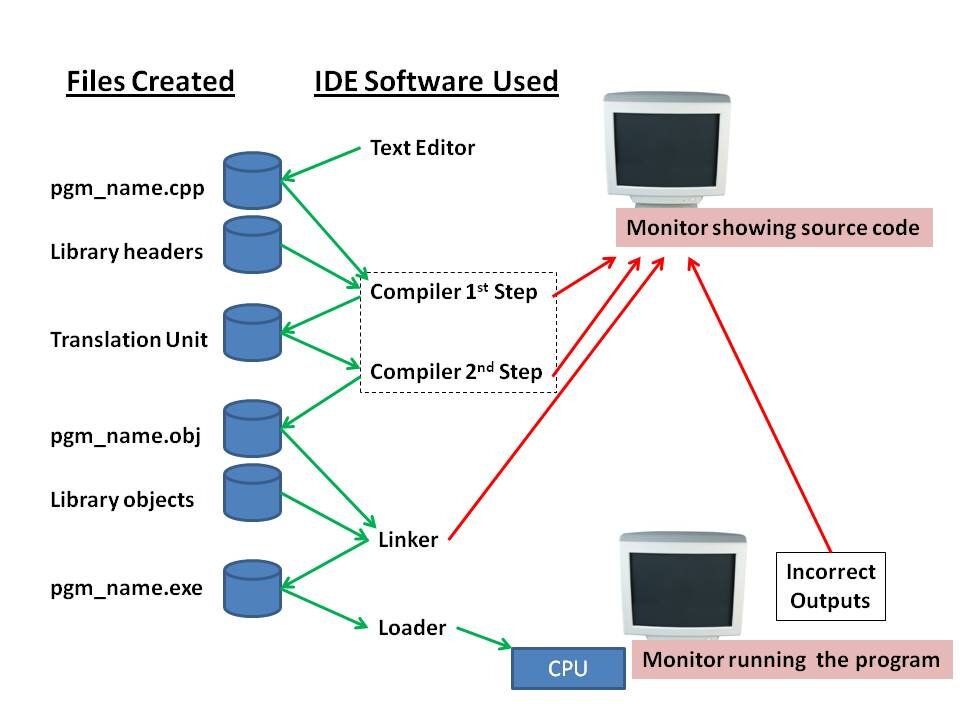
Think of an IDE as a specialized workshop for a programmer. It has all the right tools organized in one place, making the process of writing, testing, and fixing code much more efficient.
Time to check your understanding of these core concepts.
What is the primary purpose of a programming language?
The human-readable instructions written by a programmer in a language like Python or C is known as...
With these basics, you now have a conceptual map of what programming is and how it works. It's the foundation for everything that comes next.