Introduction to Coding Fundamentals
Introduction to Programming
Giving the Computer Instructions
At its heart, programming is simply the process of giving a computer a set of instructions to perform a specific task. Think of a computer as an incredibly powerful but very literal assistant. It can do amazing things, but only if you tell it exactly what to do, step by step, in a language it understands.
Code
noun
The set of instructions written in a programming language that a computer follows to execute a task.
These instructions are what we call "code." When you browse a website, use an app on your phone, or play a video game, you're interacting with the results of countless lines of code written by programmers.
From Human to Machine
Computers don't understand English or any other human language. Their native tongue is binary, a system of just two digits: 0 and 1. Every action a computer takes, from displaying a picture to calculating a sum, is ultimately boiled down to a complex sequence of these ones and zeros.
Trying to write instructions directly in binary would be impossibly tedious and complex for a human. This is where programming languages come in. They act as a bridge, allowing us to write instructions in a way that's more readable for us.
A programming language provides a set of rules and commands that a special program, called a compiler or interpreter, translates into the binary code the computer can execute.
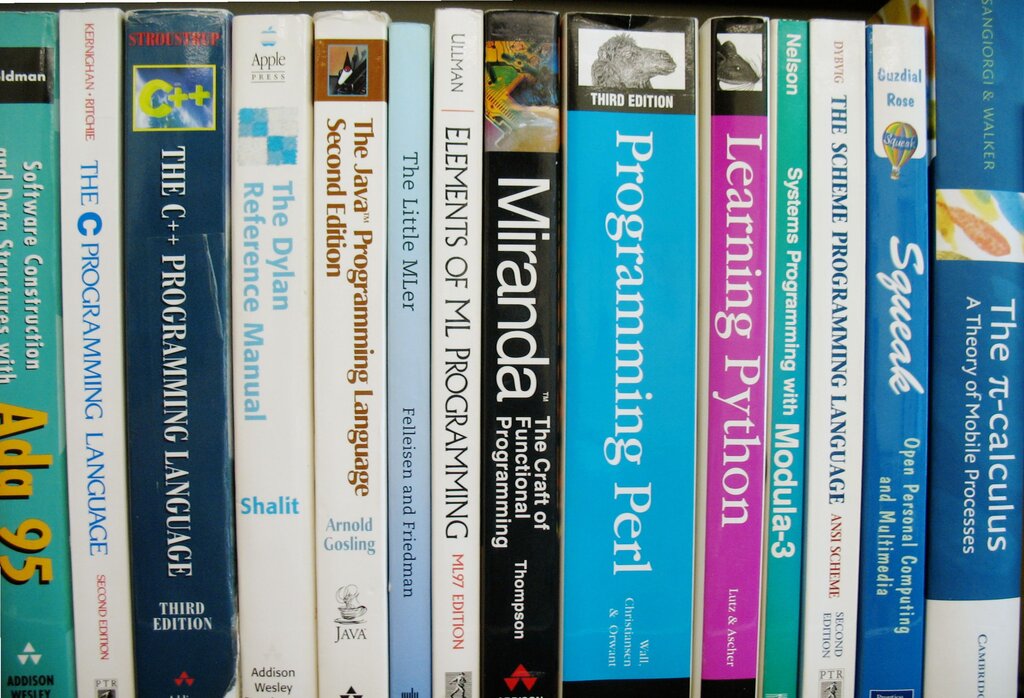
There are hundreds of different programming languages, each with its own strengths and weaknesses. Some, like Python, are known for being easy to learn and read. Others, like C++, are valued for their speed and performance. Choosing the right language is like a carpenter choosing the right tool for a job. You wouldn't use a hammer to saw a board, and you wouldn't use a web-focused language to program a microwave.
The Role of a Programmer
A programmer, often called a software developer or software engineer, is a problem-solver. Their job isn't just to write code; it's to understand a problem, design a logical solution, and then translate that solution into instructions the computer can follow.
This process involves several steps:
- Understanding the Goal: What needs to be accomplished?
- Planning the Logic: What are the exact steps to reach the goal?
- Writing the Code: Translating the plan into a programming language.
- Testing and Debugging: Running the code to find and fix errors, or "bugs."
Programming is a creative process. It's about building something new, whether it's a simple calculator app or a complex artificial intelligence system. It requires logic, attention to detail, and a persistent attitude toward solving puzzles.
At its most basic level, what is programming?
What is the native language of a computer, which all instructions are ultimately translated into?