Introduction to Coding Essentials
Introduction to Programming
What is Programming?
At its core, programming is simply the act of giving instructions to a computer. Think of it like writing a recipe. A recipe lists a series of steps you must follow in a specific order to bake a cake. If you miss a step or do them out of order, you won't get a cake. You’ll get a mess.
A computer is like a very obedient but extremely literal chef. It will do exactly what you tell it to, nothing more and nothing less. It can't guess what you mean or fill in the blanks. Programming is how we write those precise, step-by-step recipes for computers to follow.
Programming
noun
The process of writing instructions for a computer to execute in order to accomplish a specific task.
Why It Matters
Programming is the invisible force behind our digital world. The apps on your phone, the websites you browse, the video games you play, and even the traffic lights that manage city streets all run on instructions written by programmers. It’s how we’ve built everything from social media networks to complex systems that predict the weather or help doctors diagnose diseases.
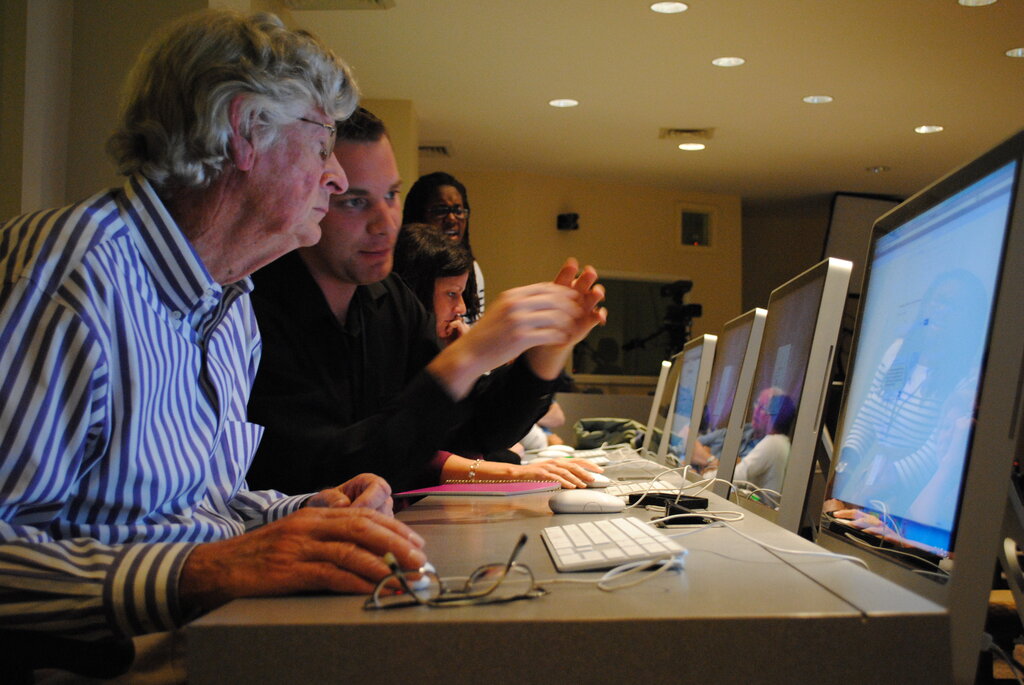
Learning the basics of programming isn't just for aspiring software developers. It teaches you how to think logically, break down complex problems into smaller, manageable parts, and approach challenges with a structured plan. These are valuable skills in any field.
Talking to Computers
So how do we give instructions to a computer? We can't just speak to it in English. Deep down, computers only understand one thing: electricity being on or off. This is represented by two numbers, 1 (on) and 0 (off). This system is called binary code, and it’s the native language of all computers.
Trying to write complex instructions using only 1s and 0s would be incredibly difficult and slow. That's where programming languages come in.
A programming language acts as a translator. It allows us to write instructions using words and symbols that are much closer to human language. Then, a special program called a compiler or an interpreter translates our code into the binary instructions the computer can execute.
The Power of a Plan
Before you write a single line of code, you need a plan. In programming, that plan is called an algorithm. An algorithm is just a step-by-step procedure for solving a problem or accomplishing a task. You use algorithms all the time without even realizing it.
Your morning routine is an algorithm: 1. Wake up. 2. Turn off alarm. 3. Get out of bed. 4. Brush teeth. The order matters. You wouldn't turn off your alarm after getting out of bed.
Algorithm
noun
A finite sequence of well-defined, computer-implementable instructions, typically to solve a class of problems or to perform a computation.
Good programming isn't just about knowing a language; it's about being able to create clear, efficient, and correct algorithms. Once you have a solid algorithm, translating it into a programming language becomes much easier.
Now, let's check your understanding of these core concepts.
What is the primary role of a programming language?
An algorithm is best described as:
This is just the beginning. Understanding these fundamental ideas, programming, languages, and algorithms, provides the foundation for everything that comes next.