Introduction to Coding Concepts
Introduction to Programming
What Is Programming?
At its heart, programming is simply giving instructions to a computer. Think of it like writing a very detailed recipe. You provide a list of steps, and the computer follows them exactly to achieve a goal, whether that's displaying a website, calculating a budget, or running a game.
Computers are powerful, but they can't think for themselves. They need humans to tell them what to do. Programming is the language we use for that communication. It allows us to automate tasks, solve complex problems, and create all the software and apps we use every day.
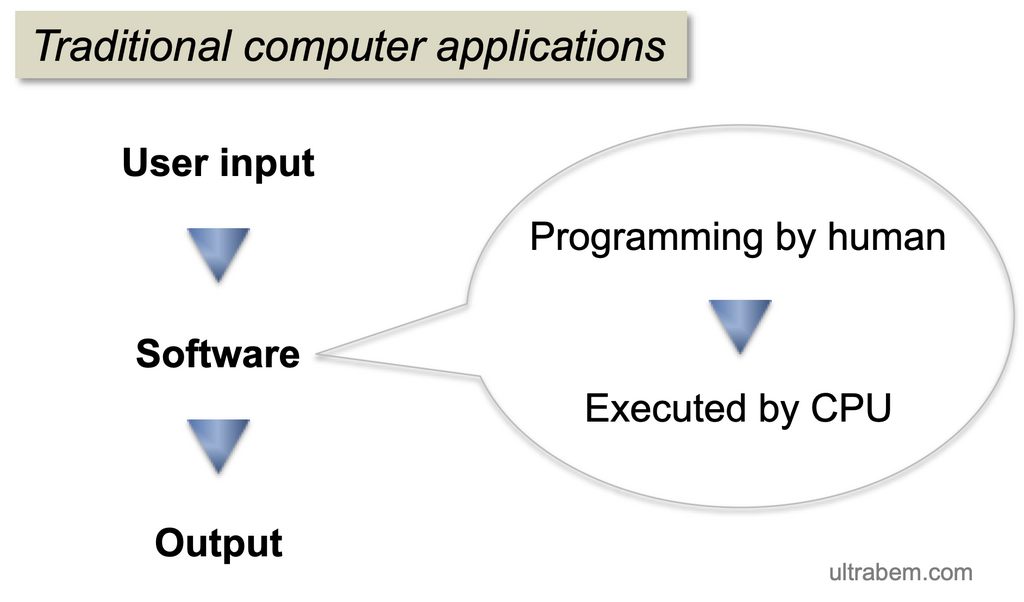
From Human to Machine
You might write instructions in a language that looks a bit like English, but a computer’s brain, the Central Processing Unit (CPU), only understands one thing: electricity being on or off. We represent these two states with the numbers 1 and 0. This is called binary or machine code.
So how does your recipe, written in a programming language, become the simple 1s and 0s the computer understands? Through a special program called a compiler or an interpreter. It acts as a translator, converting your human-readable instructions into the machine code the CPU can execute.
Choosing a Language
There isn't just one programming language; there are thousands. Each has its own rules, or syntax, and is suited for different kinds of tasks. Some popular languages include Python, known for being easy to learn and great for data science; JavaScript, the language of web browsers; and C++, a powerful language used for game development and high-performance applications.
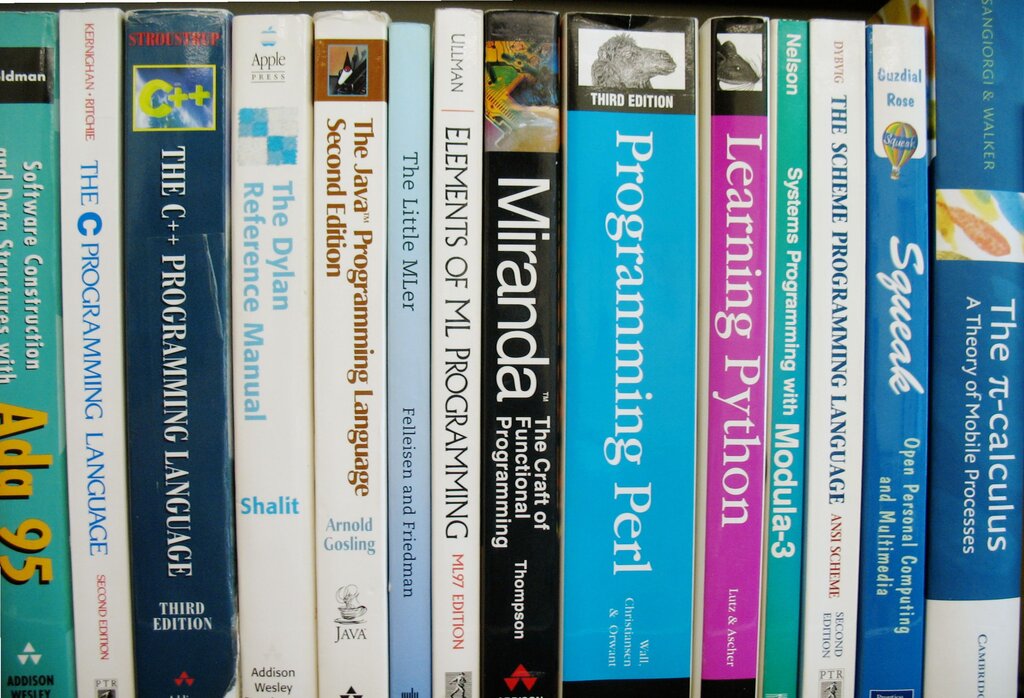
Choosing which language to learn first can seem daunting, but the core concepts are surprisingly similar across most of them. Once you understand the fundamental ideas of programming in one language, it becomes much easier to pick up another.
Your First Program
A long-standing tradition for new programmers is to write a program that simply displays the phrase "Hello, World!" on the screen. It's a simple first step that proves your setup is working and you can successfully run a piece of code.
While the exact syntax differs, the logic is the same. For example, in the Python programming language, it's just one line.
# This line tells the computer to display the text inside the parentheses.
print("Hello, World!")
In other languages, like C, it might require a few more lines to set things up, but the goal is identical: provide a command that results in the desired output.
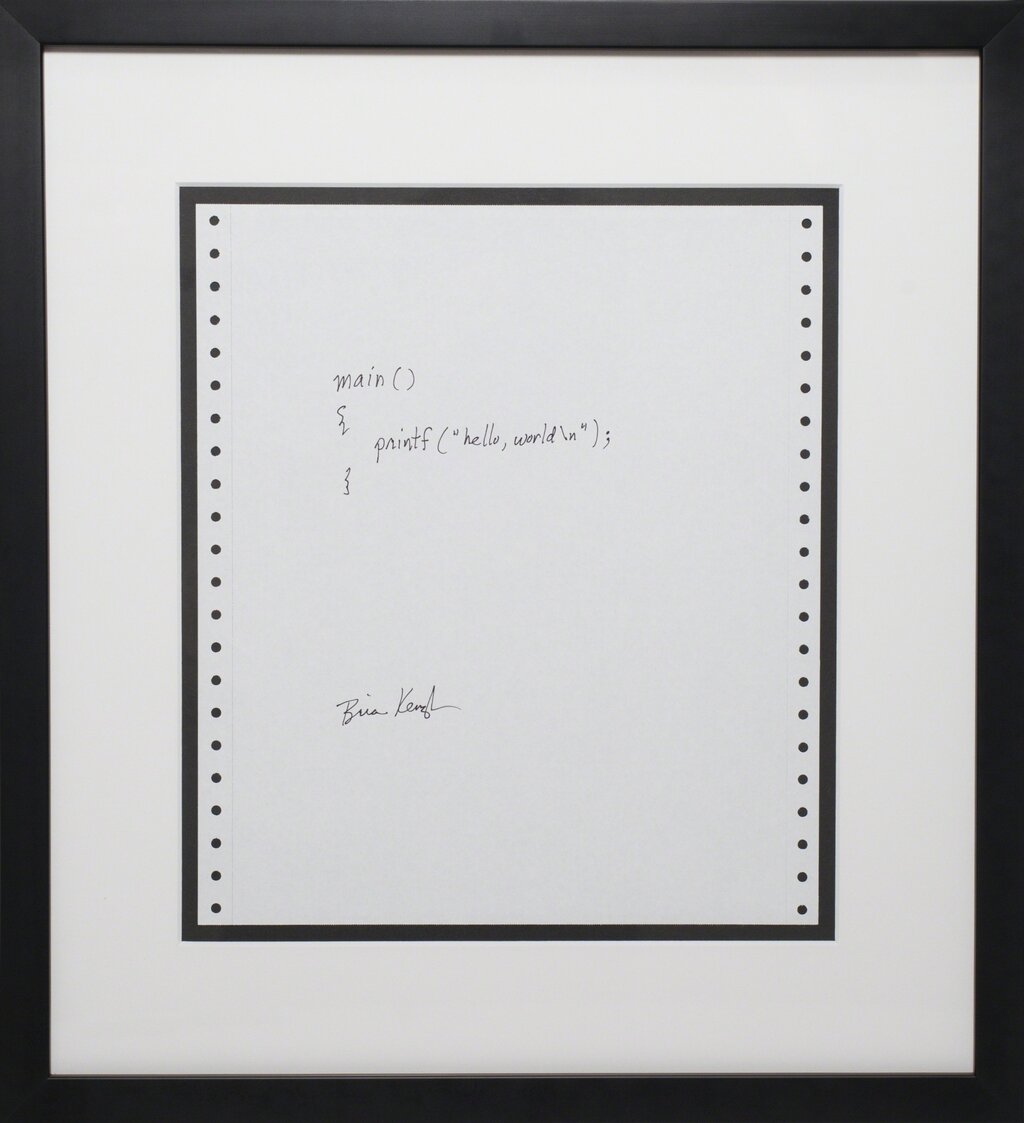
This simple exercise demonstrates the entire process: you write the source code, use a tool (a compiler or interpreter) to translate it, and the computer executes the resulting machine code to produce the output. You've just programmed!
Ready to check your understanding of these core ideas?
What is the fundamental purpose of programming?
A computer's CPU directly understands and executes instructions written in what form?
Understanding these basics is the first step on your journey into programming. You've learned what programming is, how a computer follows your instructions, and what a simple program looks like.