Introduction to Coding
Introduction to Programming
What is Programming?
Programming is the art of giving instructions to a computer. Think of it like writing a recipe. A recipe lists a series of steps to create a dish. A program lists a series of steps for a computer to complete a task. The computer, like a very literal chef, follows these instructions exactly as they are written.
These instructions are written in special languages that computers can understand. Just as people speak different languages like English or Spanish, there are many programming languages, such as Python, Java, and C++. While they have different rules and vocabularies, they all share the same goal: to communicate tasks to a machine.
Algorithm
noun
A step-by-step procedure or formula for solving a problem or accomplishing a task.
At the heart of every program is an algorithm. It's the core logic, the plan of attack for solving a problem. Before writing any code, a programmer first thinks through the algorithm.
The Anatomy of a Program
Even the most complex software is built from simple, fundamental ideas. Nearly every program, from a simple calculator to a massive online game, follows a basic pattern: it takes in information, processes it, and then produces a result.
Let's break this down:
- Input: This is how the program gets information from the outside world. It could be a user clicking a mouse, typing on a keyboard, or data coming from a sensor.
- Processing: This is the brain of the operation. The program takes the input and performs actions based on its instructions. It might do calculations, sort information, or change data.
- Output: After processing, the program shows the result. This could be text displayed on a screen, a sound playing through speakers, a file being saved, or a robot arm moving.
For example, a weather app takes your location (input), fetches the forecast for that area (processing), and displays the temperature and conditions (output).
The Programmer's Role
So, who writes these instructions? That's the job of a programmer, also known as a software developer or engineer. Their work is a blend of creativity, logic, and problem-solving.
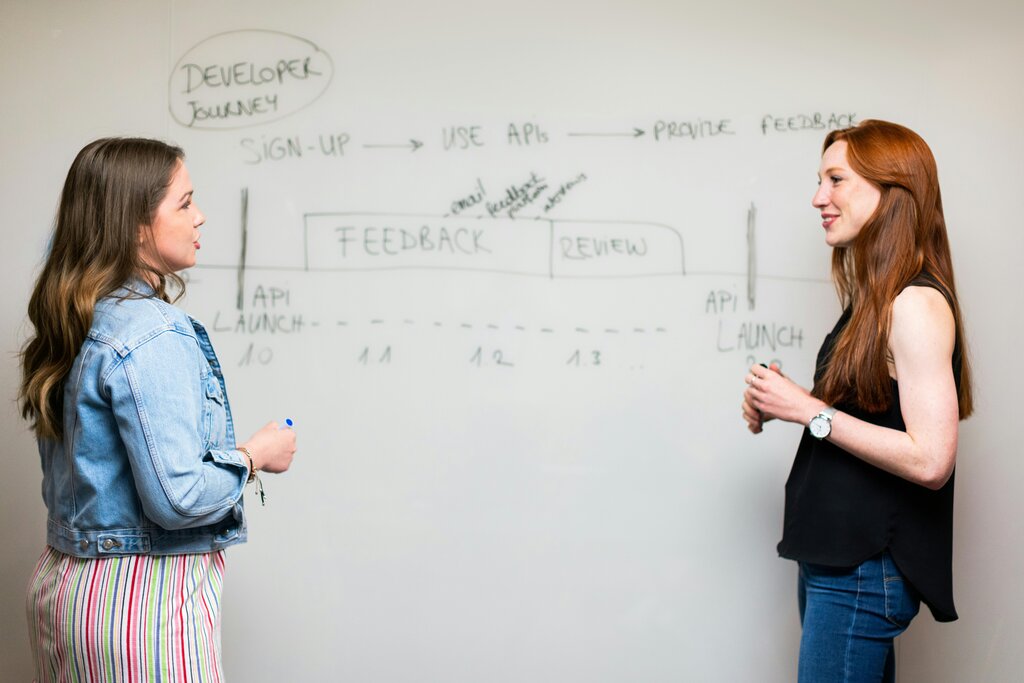
A programmer's responsibilities go beyond just writing code. They spend much of their time understanding problems, designing solutions, and planning the program's structure. They must think critically about potential issues and edge cases. What happens if a user enters a word where a number is expected? A good programmer plans for these scenarios.
Once the code is written, a big part of the job is testing and debugging. Debugging is the process of finding and fixing errors, or "bugs," in the program. It's a bit like detective work. Finally, programmers maintain and update existing programs to add new features or improve performance.
In essence, a programmer is a problem-solver who uses the language of computers to build tools and create experiences.
Now that you understand the basic concepts, you're ready to explore how these ideas are put into practice.