Introduction to Cocina
Essential Ingredients
The Spanish Pantry
Spanish cooking starts with a few key ingredients that build layers of flavor. At the heart of it all is olive oil, or aceite de oliva. It's the liquid gold of Spain, used for everything from frying potatoes for a tortilla española to drizzling over a fresh salad. The quality of the olive oil can define a dish.
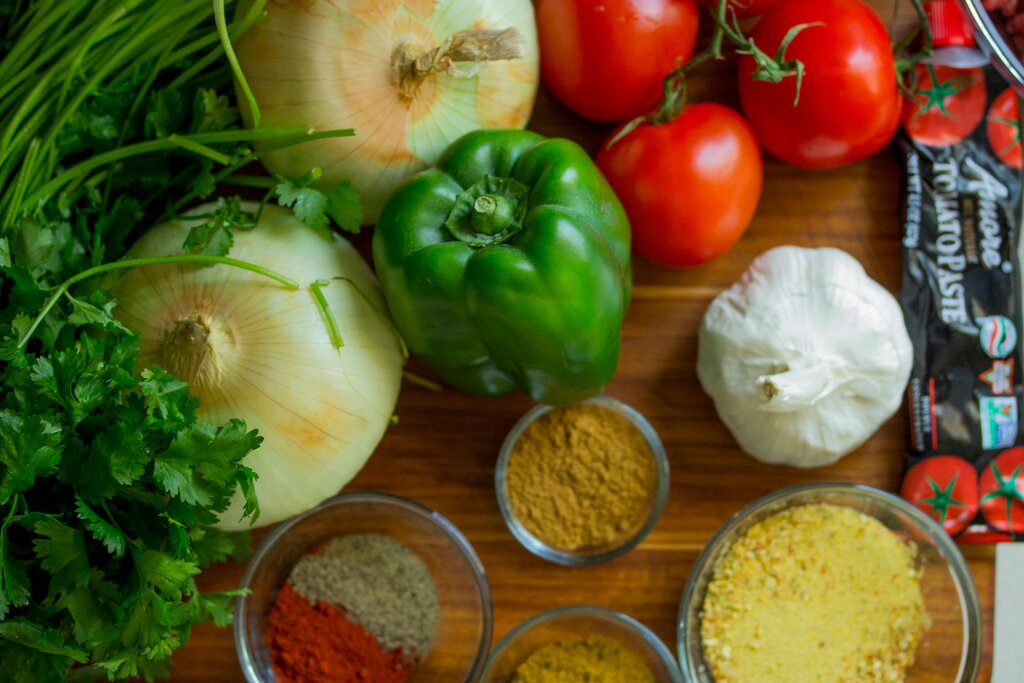
Next up are garlic and onions. These two form the flavor base for countless recipes. Finely chopped and gently sautéed in olive oil, they create a sofrito, a savory foundation for stews, rice dishes, and sauces. You can't walk through a Spanish kitchen without smelling garlic.
Garlic
Onion
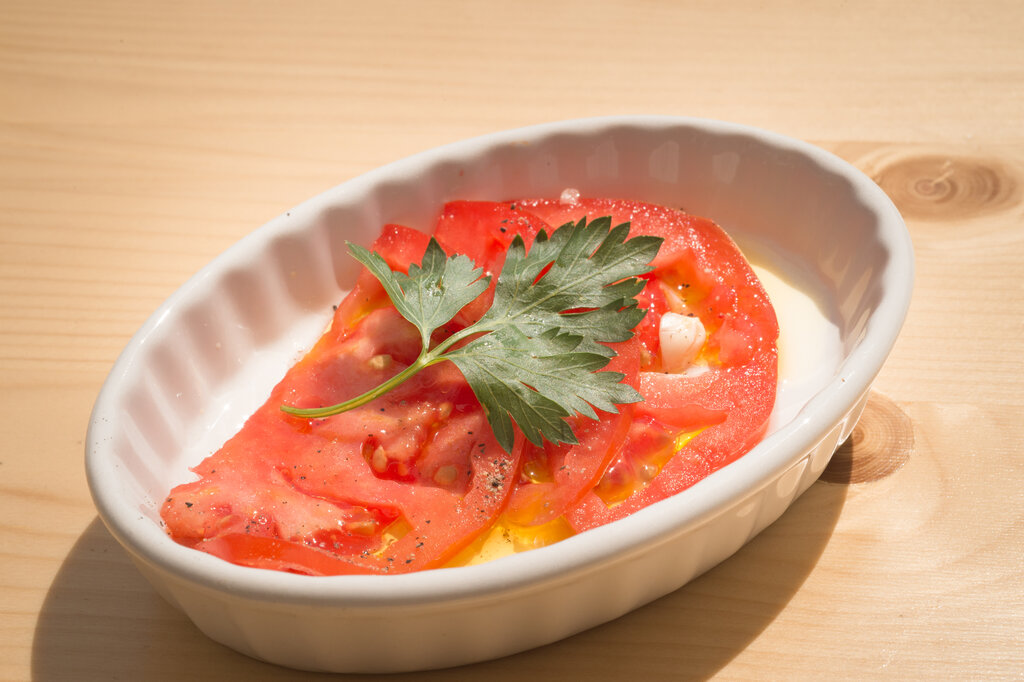
Tomatoes and peppers are just as vital. Ripe tomatoes add sweetness and acidity to the sofrito, while peppers—both sweet and spicy—bring color and depth. A simple salad of sliced tomatoes, garlic, parsley, and olive oil is a perfect example of how Spaniards celebrate fresh produce.
Spices and Aromatics
Spanish spices are all about warmth and color. Paprika, or pimentón, is a staple. It comes in three main varieties: sweet (dulce), hot (picante), and smoked (ahumado). Smoked paprika, in particular, gives dishes like chorizo sausage their distinctive, deep flavor.
Paprika
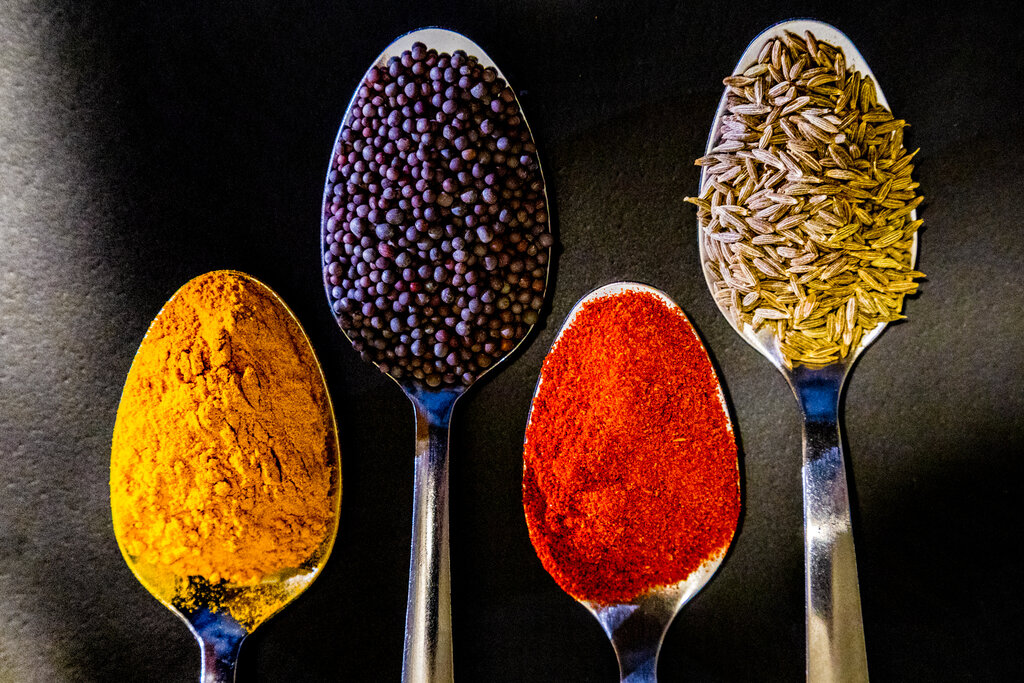
Saffron, or azafrán, is another prized ingredient. These delicate red threads, harvested from crocus flowers, impart a beautiful golden hue and a subtle, floral aroma. It's the secret behind the iconic color of paella.
Saffron
Fresh herbs also play a big role. You'll often find parsley (perejil), thyme (tomillo), and rosemary (romero) lending their fresh, earthy notes to everything from roasted meats to simple vegetable dishes.
Substantial Staples
Rice, or arroz, is a cornerstone of many regional cuisines, most famously paella. Spanish recipes call for short or medium-grain rice, like Bomba or Calasparra, because they absorb liquid well without turning mushy.
Rice
Legumes are the heart of many rustic, filling meals. Beans (alubias) and chickpeas (garbanzos) are simmered into hearty stews, often with cured meats, to create comforting dishes that have been enjoyed for centuries.
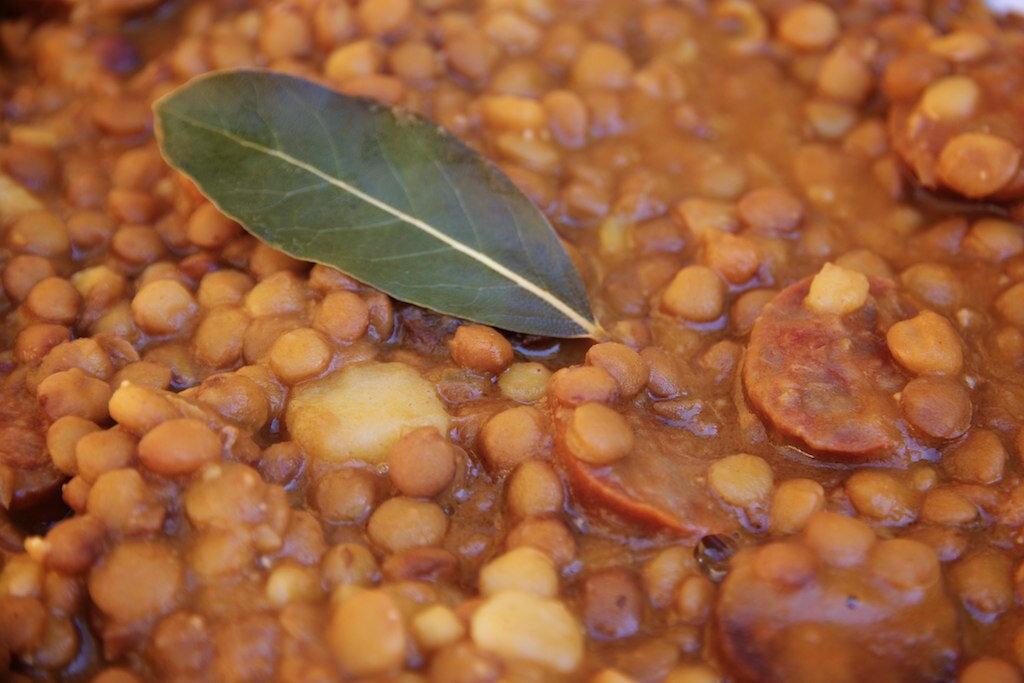
You can't talk about Spanish food without mentioning cured meats. Jamón serrano, a dry-cured ham, is a national treasure, often sliced thin and eaten on its own. Chorizo, a paprika-spiced pork sausage, adds a smoky, savory kick to stews, sandwiches, and tapas.
Finally, with its long coastline, Spain boasts an incredible variety of fresh seafood. From the shrimp in gambas al ajillo to the mussels and clams in paella, fish and shellfish are central to the Spanish diet, especially in coastal regions.
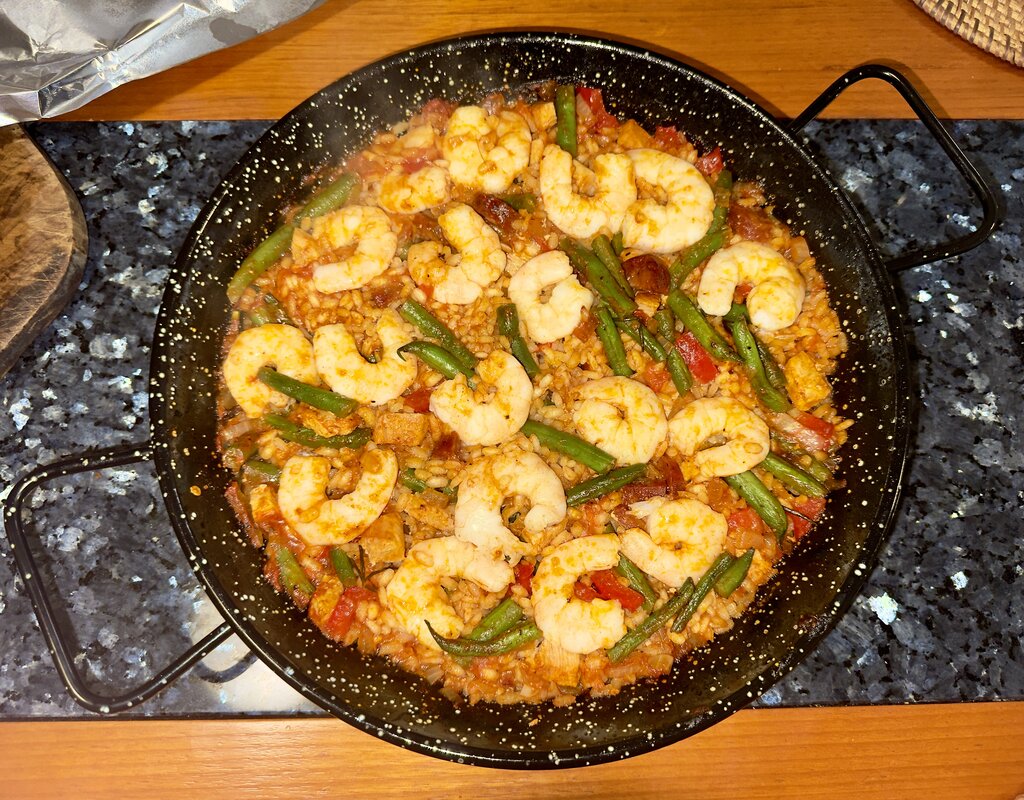
Now let's review these essential ingredients.
Time to check what you've learned.
What is the flavor base known as a sofrito typically made from?
Which Spanish spice gives chorizo its distinctive smoky flavor and deep red color?