Introduction to CNC Programming
Introduction to CNC Programming
The Language of Machines
At its heart, Computer Numerical Control (CNC) is a method for automating machines using pre-programmed computer commands. Think of it like a highly skilled robot that can carve, cut, or shape materials with incredible precision, but it needs a detailed set of instructions to follow. Instead of a person manually turning wheels and pulling levers, a computer guides the machine's every move.
CNC
noun
A process in which a computer is used to control and move a machine tool to shape a piece of material.
This automation is what drives modern manufacturing. It allows companies to produce complex parts consistently, from the metal frame of a smartphone to components for an airplane engine. Without CNC, creating identical parts in large quantities would be slow, expensive, and prone to human error.
Inside a CNC Machine
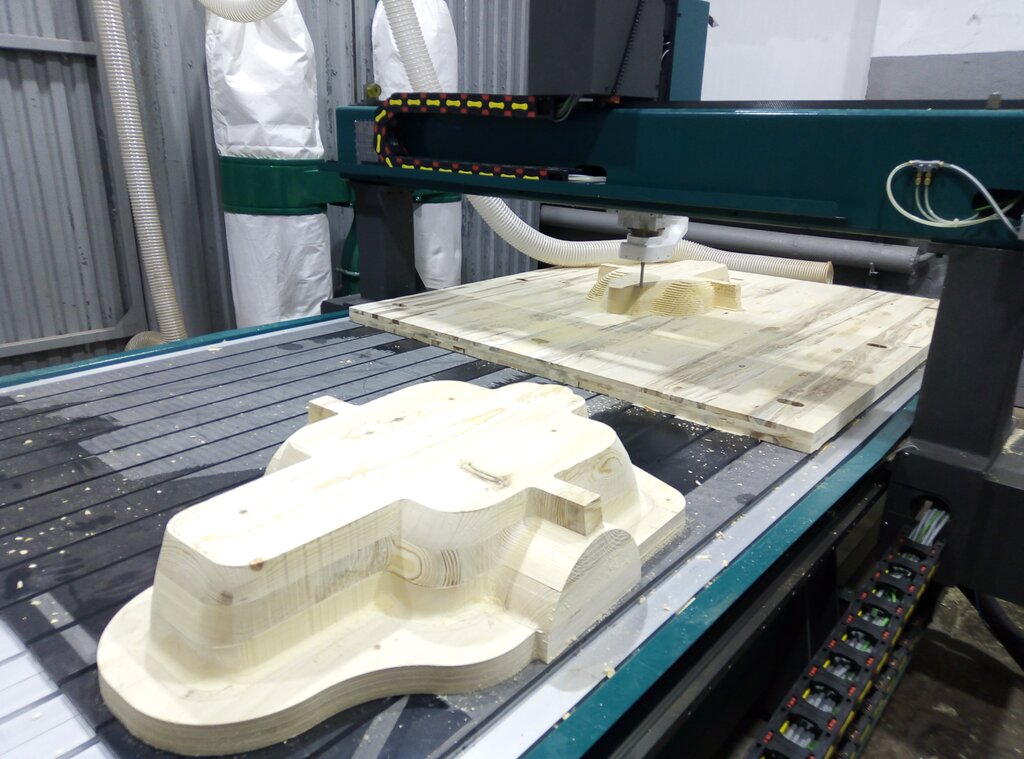
While CNC machines come in many shapes and sizes—from massive industrial mills to small desktop routers—they share a few key components that work together to turn a digital design into a physical object.
The process begins with a computer-aided design (CAD) file, which is a digital blueprint of the part. This design is then converted into a set of instructions that the machine's controller can understand. The controller reads these instructions line by line and directs the motors to move the cutting tool along specific paths (X, Y, and Z axes) to cut and shape the workpiece into the final desired form.
G-Code and M-Code
The instructions given to a CNC machine are written in a special programming language. The most common one is called G-code. Each command tells the machine to perform a specific action. G-code is primarily responsible for the geometry of the part—where to move, how fast to move, and what path to follow.
G-code controls the machine's movement (Go).
Alongside G-code, there's M-code. These commands control miscellaneous machine functions that aren't related to axis movement. This includes things like turning the coolant on or off, changing tools, or stopping the program.
M-code controls miscellaneous functions (Machine).
Here’s a simple comparison:
| Code Type | Purpose | Example Command |
|---|---|---|
| G-Code | Controls movement | G01 X10 Y5 F100 (Move linearly to coordinates X=10, Y=5 at a feed rate of 100) |
| M-Code | Controls machine functions | M03 S1200 (Turn the spindle on clockwise at 1200 RPM) |
In a typical CNC program, you'll see a sequence of these commands, each on its own line, guiding the machine step-by-step through the entire manufacturing process. Writing these programs correctly is crucial; a single misplaced decimal point or incorrect command could ruin a part or even damage the machine.
Now let's check your understanding of these core concepts.
What is the primary function of Computer Numerical Control (CNC) in manufacturing?
Which of the following best describes the role of a CAD file in the CNC process?
As you can see, CNC programming is the critical link between a digital design and a finished physical product. It's the language that makes precision, automated manufacturing possible.