Introduction to CNC Machining
Introduction to CNC Machining
From Hands to Code
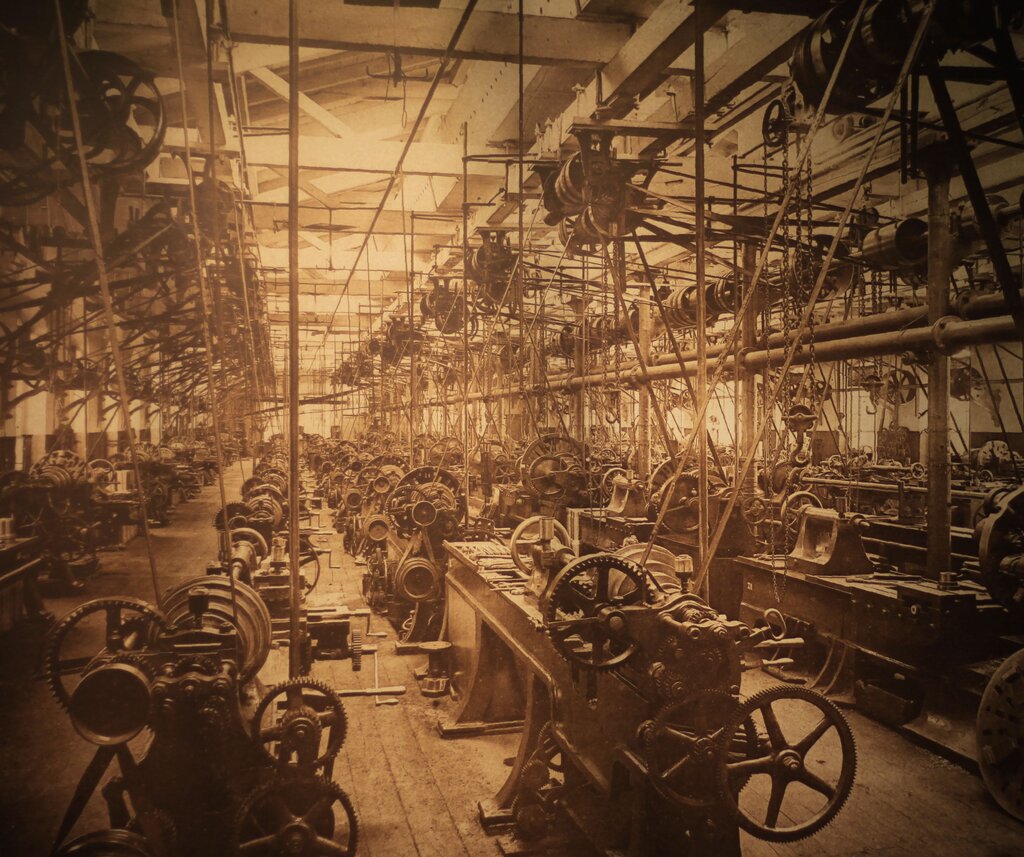
Imagine trying to carve a perfect, intricate sculpture out of a block of metal using only hand tools. It would take immense skill, time, and even then, making an identical second one would be nearly impossible. This was the challenge of early manufacturing. Everything relied on the steady hand and sharp eye of a human operator.
Then came automation. The first step was Numerical Control (NC), where machines followed instructions from punched paper tapes. It was a huge leap forward, but today's manufacturing is dominated by its descendant: Computer Numerical Control, or CNC.
CNC
noun
A manufacturing process where pre-programmed computer software dictates the movement of factory tools and machinery.
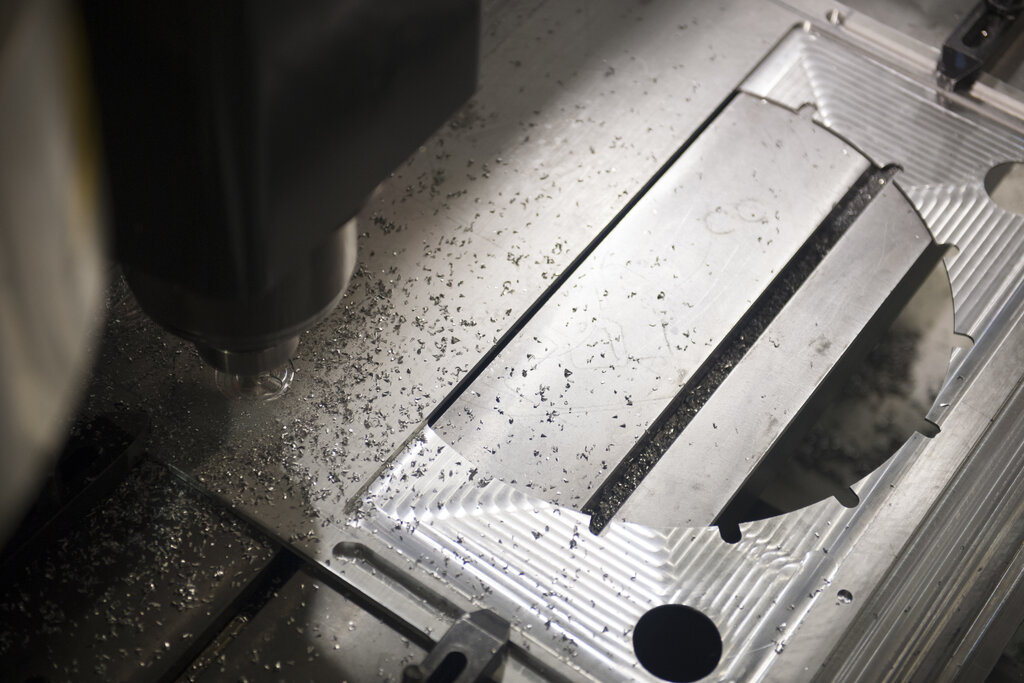
In simple terms, CNC machining is a process that uses computers to control high-precision tools to shape raw materials like metal, plastic, or wood. A designer creates a digital model of a part, a programmer turns that model into a set of instructions, and the CNC machine follows those instructions perfectly, cutting, drilling, or shaping the material to create the final product.
The Advantages of Automation
While a skilled machinist can create amazing things by hand, CNC offers several key advantages that have revolutionized manufacturing.
Precision & Repeatability: A CNC machine can follow the same instructions a thousand times and produce a thousand identical parts. This level of consistency is impossible to achieve manually. The accuracy is incredible, often down to a fraction of the width of a human hair.
Complexity: Computers can guide tools along paths that are too complex for a human to follow. This allows for the creation of intricate shapes and designs, from the turbine blades in a jet engine to the custom medical implants that fit a patient perfectly.
Efficiency: Once programmed, a CNC machine can work around the clock with minimal supervision. It doesn't get tired or need breaks. This drastically increases the speed of production and reduces labor costs.
A Machine for Every Job
The term "CNC machine" is an umbrella for a wide variety of tools, each designed for specific tasks. While they all operate on the same principle of computer control, their methods of shaping material differ. Here are a few of the most common types:
| Machine Type | Primary Function | Common Applications |
|---|---|---|
| Mill | Uses a rotating cutting tool to remove material from a stationary workpiece. | Engine blocks, molds, complex 3D parts |
| Lathe | Rotates the workpiece against a stationary cutting tool. | Shafts, screws, baseball bats |
| Router | Similar to a mill, but typically used for softer materials. | Woodworking, sign making, plastic parts |
| Grinder | Uses an abrasive wheel to achieve a very fine, smooth surface finish. | Finishing surfaces, sharpening tools |
These machines are the workhorses of modern industry. You'll find them in factories building everything from smartphones and cars to spacecraft and surgical tools. They are the invisible force that shapes much of the world around us.
What does the acronym "CNC" stand for in the context of manufacturing?
What was the direct predecessor to CNC technology, which used instructions from punched paper tapes?
By translating digital designs into physical objects with unmatched speed and accuracy, CNC machining has become a cornerstone of how we make things.