Introduction to Cloud Computing Roadmaps
Introduction to Cloud Computing
What is Cloud Computing?
Before cloud computing, if a company wanted to build a website or run an application, it had to buy and manage its own physical servers. Think of it like needing electricity and deciding to build a power plant in your backyard. It was expensive, slow, and required a lot of maintenance.
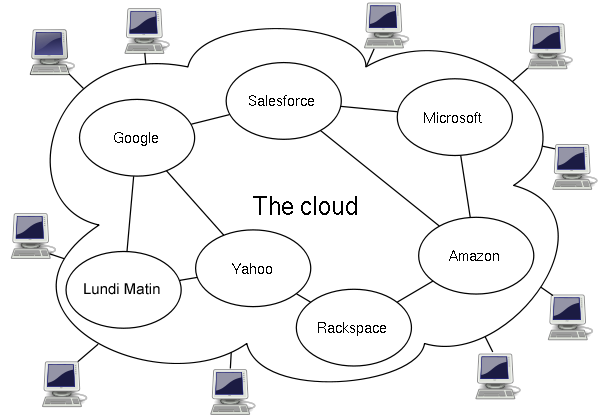
Cloud computing changed that. Instead of building your own power plant, you just plug into the electrical grid. The cloud is like a global grid for computing resources. It lets you access everything from storage and processing power to software and analytics over the internet.
Cloud computing is a model for enabling convenient, on-demand network access to a shared pool of configurable computing resources (e.g., networks, servers, storage, applications, and services) that can be rapidly provisioned and released with minimal management effort or service provider interaction.
This formal definition comes from the National Institute of Standards and Technology (NIST), and it highlights the key idea: you get the computing power you need, when you need it, without owning the hardware. Companies like Amazon, Google, and Microsoft run massive data centers around the world, and you can rent a small piece of that infrastructure.
The Five Key Traits
Not every service offered over the internet is technically “cloud computing.” According to the NIST definition, a true cloud service has five essential characteristics.
| Characteristic | What It Means |
|---|---|
| On-Demand Self-Service | You can get computing resources automatically, without needing to talk to a human. Think of ordering a product online versus calling a sales representative. |
| Broad Network Access | You can access the services from anywhere with an internet connection, using a standard device like a laptop, tablet, or phone. |
| Resource Pooling | The provider’s resources are shared among multiple customers in a model called multi-tenancy. You don't know the exact physical location of your resources, they are just somewhere in “the cloud.” |
| Rapid Elasticity | You can quickly and easily scale your resources up or down to match demand. If your website suddenly gets popular, you can add more server capacity in minutes. |
| Measured Service | Resource usage is monitored, controlled, and reported. You pay only for what you use, much like a water or electricity bill. |
These five traits work together to make the cloud a powerful and efficient way to manage IT.
Why Bother with the Cloud?
The shift to the cloud happened for a few very practical reasons. The benefits generally fall into three main categories.
Scalability
noun
The ability of a system to handle a growing amount of work by adding resources.
With traditional infrastructure, you had to guess your peak traffic and buy servers to handle it. This meant that most of the time, expensive hardware sat idle. The cloud allows you to scale resources up when you need them and scale back down when you don't. This elasticity is a game-changer for businesses that experience fluctuating demand.
Flexibility is another key advantage. Cloud computing gives teams the freedom to experiment and innovate quickly. Need to test a new idea? You can spin up a few servers for a couple of hours and then shut them down. The barrier to trying new things is much lower.
Finally, there's cost efficiency. The cloud turns a large capital expense (buying hardware) into an operational expense (a monthly bill). This pay-as-you-go model makes sophisticated computing resources accessible to startups and small businesses, not just large corporations. It levels the playing field.
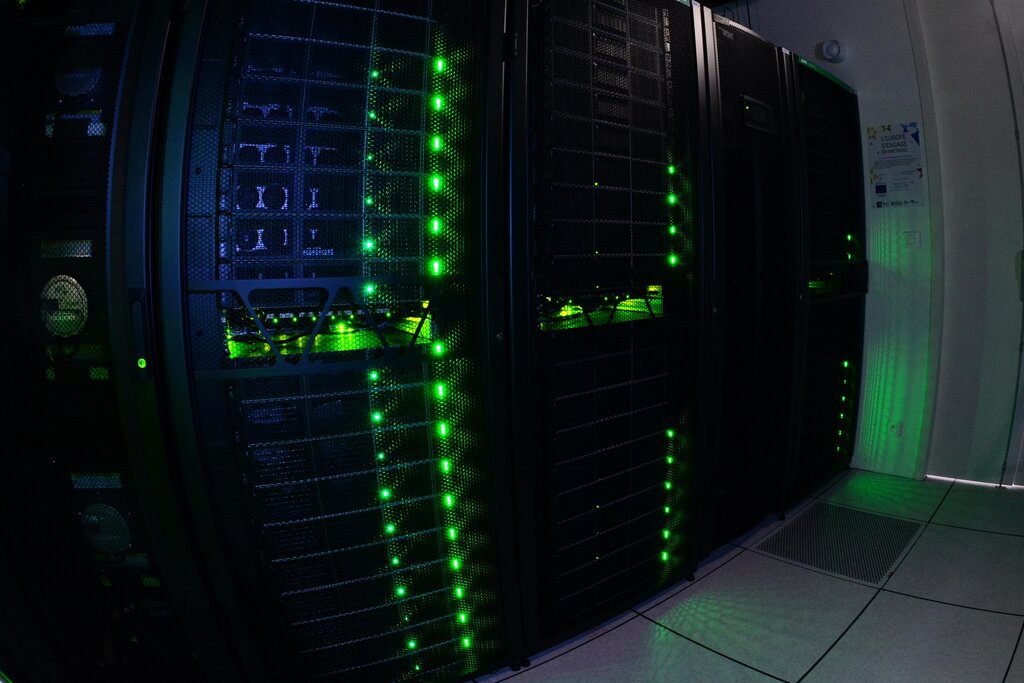
The impact of this shift is huge. Instead of focusing on managing hardware, IT teams can focus on building better applications and services. This accelerates innovation and allows companies to respond more quickly to market changes.
The shift from traditional IT infrastructure to cloud computing is often compared to the transition from building your own power plant to...
According to the National Institute of Standards and Technology (NIST), not every service offered over the internet is technically 'cloud computing'.
Cloud computing has fundamentally changed how we build and use technology, moving us from owning resources to accessing them as a service.