Introduction to Claude Agents SDK
Introduction to Claude Agent SDK
Beyond the Chatbox
We're used to interacting with AI through a simple chat interface. We ask a question, and the AI gives an answer. But what if an AI could do more than just talk? What if it could perform tasks, use tools, and work on a project for hours or even days at a time?
This is where AI agents come in. An AI agent is a system that can perceive its environment, make decisions, and take actions to achieve specific goals. Think of it less like a conversational partner and more like an autonomous assistant.
The Claude Agent SDK is a toolkit designed to help developers build these kinds of assistants. It provides a structured framework for creating reliable and capable agents that can tackle complex, multi-step tasks. Instead of just responding to one-off prompts, agents built with the SDK can plan, execute, and even correct their own work over long periods.
What's in the Toolkit?
The SDK isn't just a simple connection to Claude. It's a set of specialized components that give developers fine-grained control over how their agents operate. The goal is to move from crafting clever prompts to practicing disciplined engineering.
Designing reliable, safe, and productive AI agents with the Claude Agent SDK is less about clever prompts and more about disciplined engineering.
One of its core features is the ability to give an agent tools. This allows an agent to interact with the outside world. For example, you could give it a tool to search the web, another to access a specific database, or one to run code. The agent can then intelligently decide which tool to use and when, based on the task at hand.
Safety is also built-in from the ground up. Each agent runs in a sandbox, which is a controlled, isolated environment. This means an agent can write files or run commands without affecting the broader system, preventing unintended consequences.
Agents also need a way to remember what they've done. The SDK includes memory modules that allow an agent to maintain state and recall information from previous steps. This is crucial for tasks that take a long time to complete. Finally, the SDK supports sub-agent orchestration, which lets you coordinate multiple specialized agents. You might have one agent for research, another for coding, and a third for validation, all working together on a single project.
What Can You Build?
With this framework, you can build applications that go far beyond simple Q&A. Imagine a research assistant that can autonomously browse websites, read PDF research papers, and compile a detailed summary with citations. It could run for hours, methodically gathering and synthesizing information.
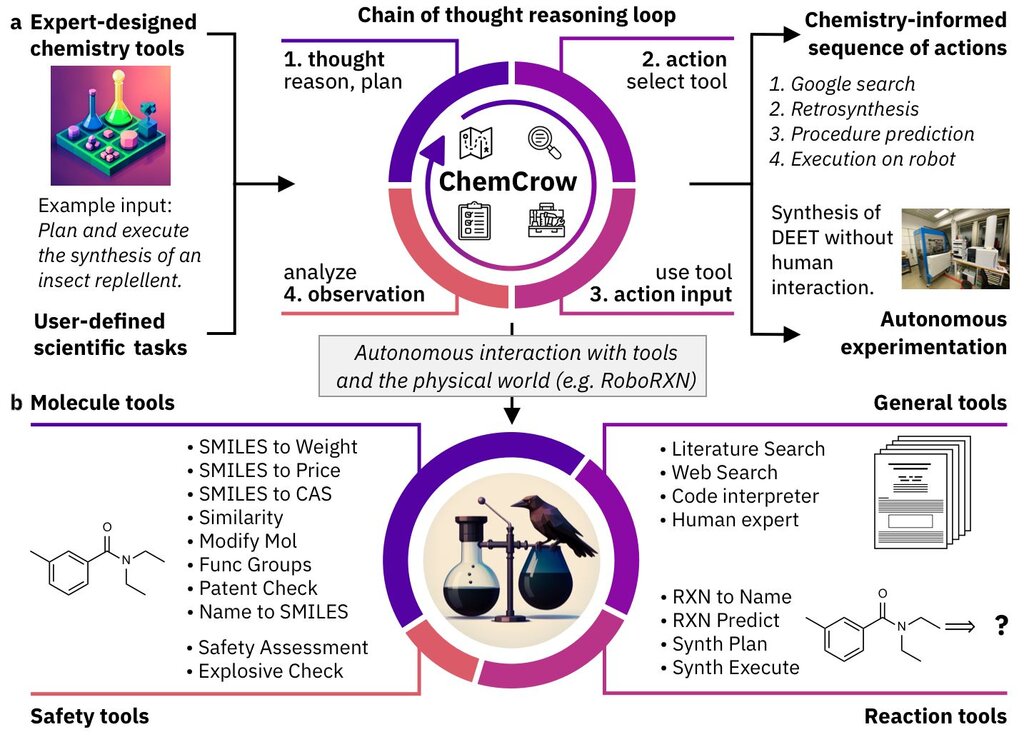
Or consider a coding partner that has access to your entire codebase. You could ask it to implement a new feature, and it would not only write the code but also create test files, run the tests, and fix any bugs it finds, all within its secure sandbox.
The possibilities extend to business automation, data analysis, creative content generation, and more. By providing a robust structure for giving AI tools, memory, and a safe workspace, the SDK enables the development of truly helpful and autonomous agents.
Let's check your understanding of these core concepts.
What is the primary difference between a simple AI chatbot and an AI agent as described in the text?
What is the primary purpose of the 'sandbox' feature in the Claude Agent SDK?
Now that you have a high-level view of what the Claude Agent SDK is and what it's for, you're ready to see how these pieces come together in practice.