Introduction to Civil Law Systems
Introduction to Civil Law
The Code Is King
Civil law is a legal system that puts laws down in writing, creating comprehensive and accessible legal codes. Its main purpose is to manage relationships and resolve disputes between individuals, organizations, or a combination of the two. Unlike criminal law, which deals with offenses against the state, civil law is about private rights and remedies. Think of it as the rulebook for how we interact with each other in matters of property, family, and agreements.
If a contractor fails to build a deck as promised, or a person is injured due to another's negligence, civil law provides the framework for seeking a solution, usually in the form of financial compensation.
A Journey from Rome
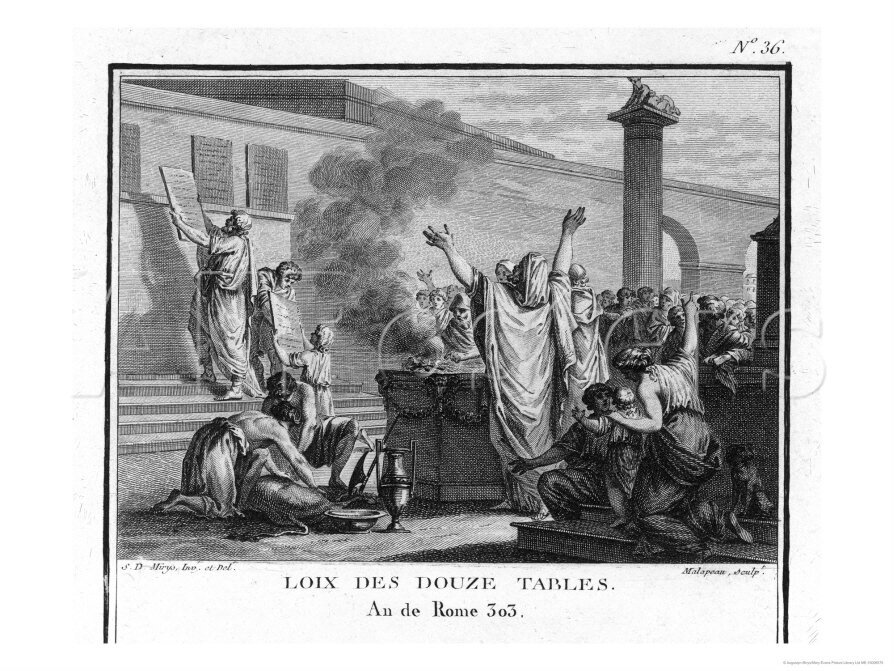
The story of civil law begins in ancient Rome. Early on, Roman law was a mix of custom and tradition. Around 450 BCE, a significant step was taken to write these laws down. The result was the Twelve Tables, a set of laws inscribed on bronze tablets displayed in the Roman Forum. This was a foundational moment, establishing the principle that law should be written and public.
Centuries later, in the 6th century CE, Emperor Justinian I sought to compile and simplify a thousand years of Roman law. His monumental work, the Corpus Juris Civilis (Body of Civil Law), organized these principles into a systematic code. This text became the cornerstone of legal systems throughout continental Europe.
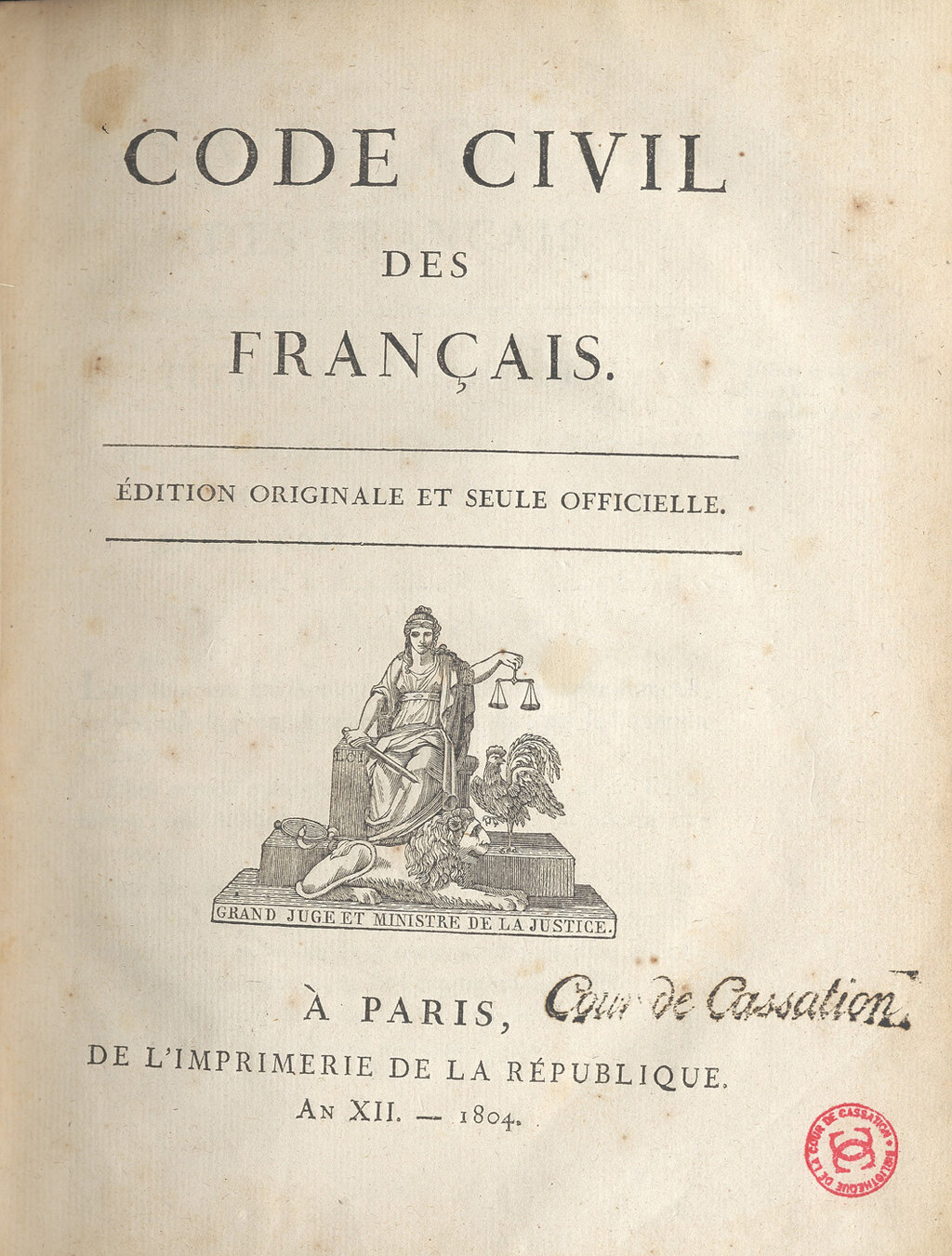
Fast forward to the early 19th century. Napoleon Bonaparte commissioned a new legal code for France. The Napoleonic Code of 1804 was a landmark achievement in modern law, emphasizing clarity and logic. It was written so that any citizen could understand it, and it spread rapidly across Europe and other parts of the world, shaping the legal landscape for generations.
Two Paths to Justice
Today, civil law is the most widespread legal system globally. However, it's often compared with another major system: common law, which originated in England. While both systems aim for justice, they take different approaches to get there.
| Feature | Civil Law | Common Law |
|---|---|---|
| Source of Law | Comprehensive legal codes and statutes are the primary source. | Judicial decisions (precedents) are a primary source. |
| Role of Judge | Acts as an investigator. Applies the law from the code. | Acts as an impartial referee. Interprets the law and precedent. |
| Legal Process | Inquisitorial. The judge actively investigates the facts of the case. | Adversarial. Lawyers from opposing sides present their cases to a neutral judge. |
| Precedent | Judicial decisions are less crucial; the code is supreme. | Stare decisis (let the decision stand) is a core principle. |
| Example Countries | France, Germany, Japan, most of Latin America. | United States, United Kingdom, Canada, Australia. |
In a civil law courtroom, the judge's main role is to find the right article in the code and apply it to the facts. In a common law system, lawyers argue about how previous cases (precedents) apply to the current situation, and the judge acts as a referee between the two sides.
Understanding these fundamental differences helps clarify why legal proceedings can look so different from one country to another. Each system has its own history and logic, shaped by centuries of culture and legal thought.
What is the primary purpose of civil law?
Which ancient Roman legal text was a comprehensive compilation and simplification of a thousand years of law, becoming a cornerstone for modern European legal systems?