Introduction to Civil Engineering
Introduction to Civil Engineering
The World We Build
Civil engineering is the art and science of shaping the world around us. It’s the professional practice of designing, constructing, and maintaining the physical and natural environment. This includes the infrastructure essential for modern life: roads, bridges, canals, dams, airports, water systems, and buildings.
Simply put, civil engineers build the backbone of our society. They create the systems that provide us with clean water, allow us to travel safely, and give us places to live and work.
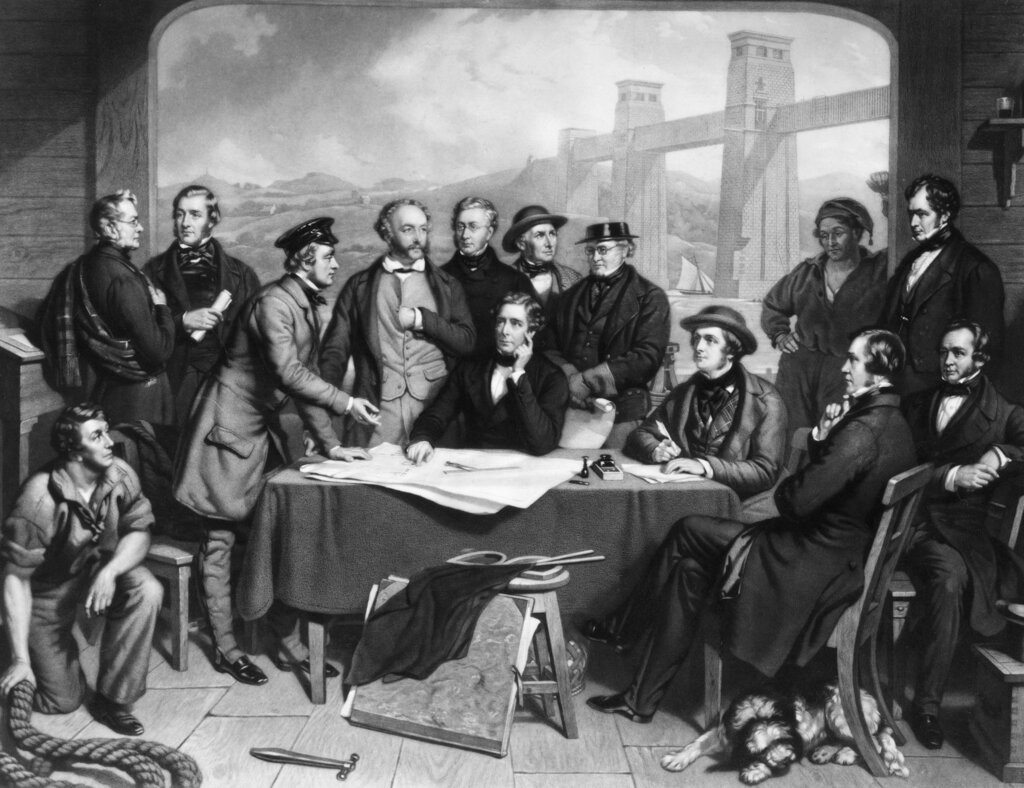
The discipline dates back thousands of years. Think of the pyramids in Egypt, the Great Wall of China, or the aqueducts that supplied ancient Rome with water. These were monumental engineering feats that required immense skill in planning, design, and construction. While the tools have changed, the fundamental goal of serving the public good has remained the same.
Branches of the Field
Civil engineering is a broad field with several specialized areas. While they often overlap on large projects, each has a distinct focus.
| Sub-Discipline | Focus |
|---|---|
| Structural | The design of structures like buildings and bridges to withstand stress and pressure. |
| Transportation | The planning and construction of transportation networks, such as roads, railways, and airports. |
| Environmental | The protection of public health and the environment through clean water and waste management systems. |
| Geotechnical | The study of soil, rock, and foundation behavior to ensure structures are built on stable ground. |
| Construction | The management of the construction process, from planning and logistics to execution on-site. |
A civil engineer might spend their career designing earthquake-resistant skyscrapers (structural), creating a new subway line (transportation), or developing a system to provide clean drinking water to a city (environmental). The variety of roles reflects the wide-ranging impact of the profession.
There are two types of civil engineering roles within the various specialisms: consultants who focus on design work and generally spend more time in the office or working with clients, and contractors who are more involved with keeping an eye on the physical construction and are usually based on-site.
Building with Responsibility
Because their work has such a direct impact on public safety and well-being, civil engineers are bound by a strong code of ethics. Their primary duty is to hold paramount the safety, health, and welfare of the public. This means designing structures that are safe and sustainable, using resources wisely, and considering the long-term environmental and societal effects of their projects.
Every project, from a small rural bridge to a massive urban redevelopment, involves balancing technical requirements with economic, social, and environmental considerations. It's a complex task with lasting consequences.
Ready to test your understanding of these core concepts?
What is the primary ethical responsibility of a civil engineer?
Which of the following projects would a transportation engineer most likely lead?
Civil engineering is a field that combines creativity with technical expertise to solve some of society's most fundamental challenges. It's about building a better, safer, and more connected world for everyone.