Introduction to Civil Engineering
Introduction to Civil Engineering
The World We Build
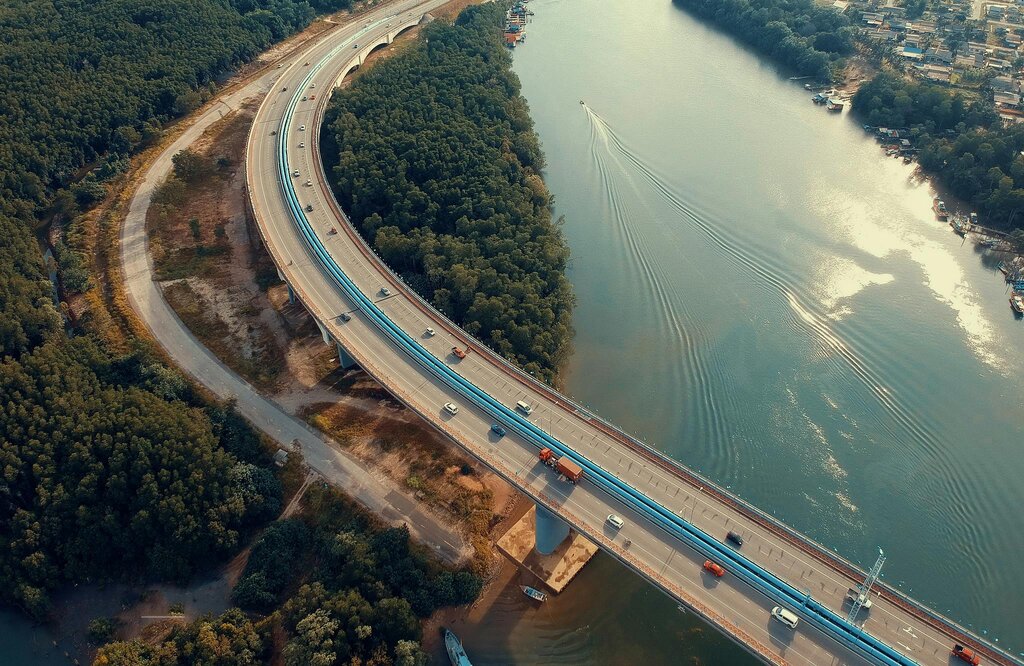
Look around you. The building you're in, the road outside your window, the clean water from your tap, and the bridge you cross on your commute—all of these are the work of civil engineers. At its heart, civil engineering is about creating and managing the infrastructure that allows society to function.
Civil engineering is the art of shaping the world we live in. It's a field dedicated to designing, building, and maintaining the foundational structures and systems for communities.
The "civil" in civil engineering distinguishes it from military engineering. Its purpose is to serve the general public, improving daily life by solving practical problems. Civil engineers figure out how to build skyscrapers that can withstand earthquakes, design transportation networks to ease traffic, and create systems to deliver clean water to millions of people.
A Quick Trip Through History
Civil engineering isn't a new idea. As long as humans have lived in organized settlements, we've been engineering our environment. Ancient civilizations left behind incredible feats of engineering that still inspire awe today. The pyramids in Egypt, the Great Wall of China, and the intricate road networks of the Roman Empire are all early examples of large-scale civil engineering projects.
Engineering & Infrastructure: Roman roads, aqueducts, and cities weren’t just feats of building; they were the physical network that facilitated the spread of Romanized culture, trade, governance, and ideas across vast distances.
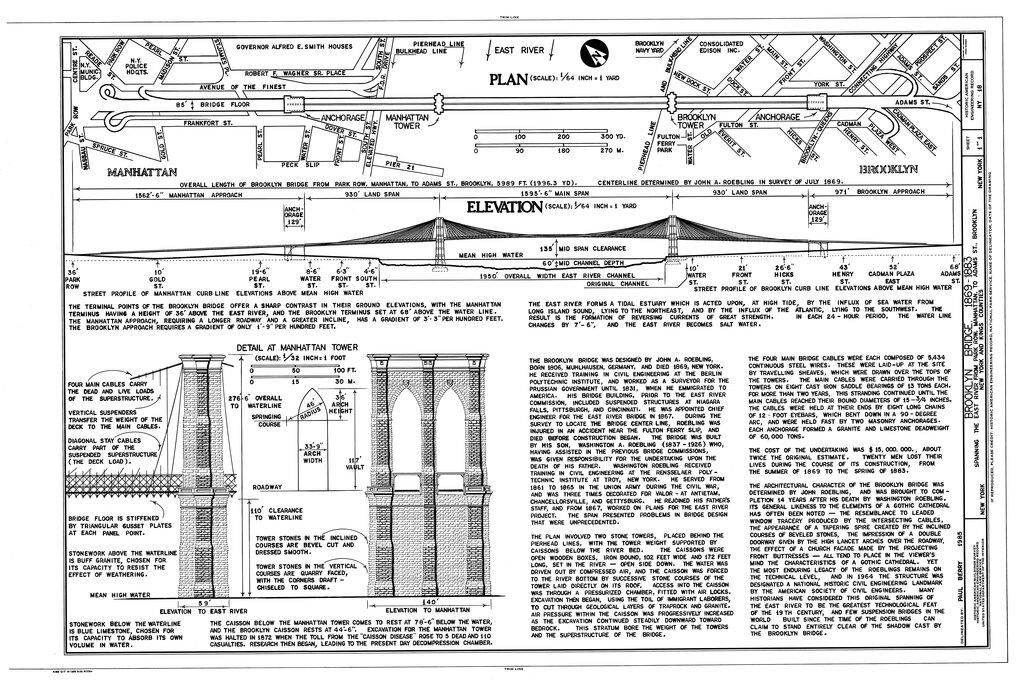
The field was formally recognized as a profession during the 18th century, separating itself from military engineering. The Industrial Revolution brought about a massive need for new infrastructure—canals, railways, bridges, and factories. This era saw the rise of modern civil engineering, with professionals using scientific principles to tackle increasingly complex challenges.
The Many Hats of a Civil Engineer
Civil engineering is a broad field with many specializations. While they all share the common goal of building a better world, each sub-discipline focuses on a unique set of challenges. Think of it as a team of experts, each contributing their specific knowledge to a project.
| Sub-discipline | Focus |
|---|---|
| Structural | Designs the 'bones' of structures like buildings and bridges to ensure they are strong and stable. |
| Geotechnical | Analyzes soil, rock, and foundations to support structures safely. |
| Transportation | Plans, designs, and operates transportation systems like roads, railways, and airports. |
| Environmental | Develops systems for clean water, waste disposal, and pollution control to protect public health. |
| Water Resources | Manages water systems, including dams, pipelines, and flood control measures. |
| Construction | Oversees the entire construction process, turning designs into reality on-site. |
On any major project, like building a new airport, you would find all these specialists working together. Geotechnical engineers would test the ground for the runways. Structural engineers would design the terminals. Transportation engineers would plan the access roads and traffic flow. And environmental engineers would manage storm water drainage and other ecological impacts.
What is the primary purpose of civil engineering?
The formal recognition of civil engineering as a distinct profession from military engineering occurred during which historical period?
From the invisible systems that bring us clean water to the towering landmarks that define our cities, civil engineering makes modern life possible. It's a discipline that blends creativity with technical skill to serve the needs of society.