Introduction to Chemotherapy
Introduction to Chemotherapy
What is Chemotherapy?
Chemotherapy, often just called "chemo," is a cancer treatment that uses powerful drugs to destroy cancer cells. Think of your body as a garden. Most plants grow at a controlled pace, but cancer is like a weed that grows and spreads aggressively, taking over resources from healthy plants.
Chemotherapy acts like a specialized weed killer designed to target these fast-growing invaders.
Unlike treatments that target one specific area, like surgery or radiation, chemotherapy is a systemic therapy. This means the drugs travel through the bloodstream to nearly all parts of the body. This makes it effective for treating cancer that has spread, or metastasized, to distant organs.
Metastasis
noun
The spread of cancer cells from the place where they first formed to another part of the body.
Targeting Rapid Growth
So how do these drugs know which cells to attack? The main principle behind chemotherapy is that it targets cells that divide and grow quickly. All cells in your body go through a cycle of resting, growing, and splitting into new cells. It’s a normal, controlled process.
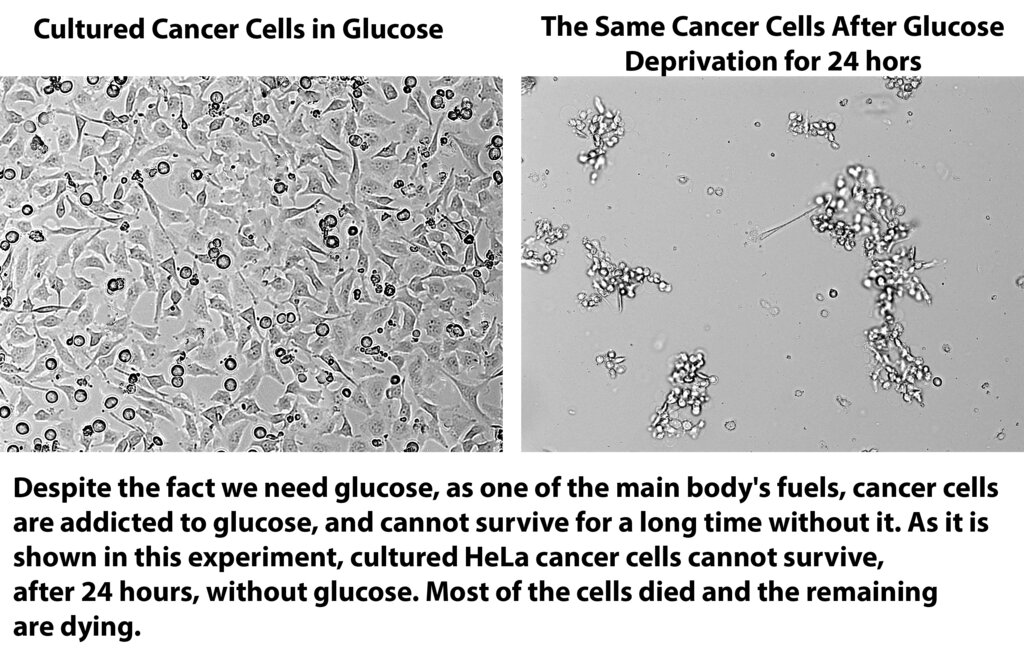
Cancer cells, however, have lost this control. They are essentially stuck in a state of constant, rapid division. Chemotherapy drugs take advantage of this vulnerability. They are designed to disrupt the cell division process, causing the fast-growing cancer cells to die.
Because chemo attacks any rapidly dividing cell, it can also affect some of the body's healthy cells that naturally grow fast. This includes cells in the hair follicles, bone marrow (which makes blood cells), and the lining of the mouth and intestines. This is the underlying reason for many of chemotherapy's side effects.
The Goals of Treatment
Chemotherapy isn't a one-size-fits-all solution. The goal of the treatment depends on the type of cancer, how far it has spread, and the patient's overall health. Doctors use chemotherapy with different intentions.
| Goal | Purpose |
|---|---|
| Cure | To completely destroy all cancer cells in the body. |
| Control | To shrink tumors or stop cancer from spreading, helping people live longer. |
| Palliation | To relieve symptoms caused by cancer, such as pain from a tumor. |
Often, chemotherapy is part of a larger treatment plan. It can be used before or after other primary treatments.
- Neoadjuvant Chemotherapy: Given before treatments like surgery or radiation. The goal is to shrink a tumor to make it easier to remove or to make radiation more effective.
- Adjuvant Chemotherapy: Given after the primary treatment. This is done to kill any microscopic cancer cells that might have been left behind, reducing the chance that the cancer will come back.
What is the primary principle behind how most chemotherapy drugs work?
Why is chemotherapy considered a "systemic therapy"?