Introduction to ChatGPT
Introduction to AI
What Is Artificial Intelligence?
At its core, Artificial Intelligence (AI) is about making machines smart. The goal is to create computer systems that can perform tasks that normally require human intelligence. This includes things like learning from experience, understanding language, recognizing objects in photos, and solving problems.
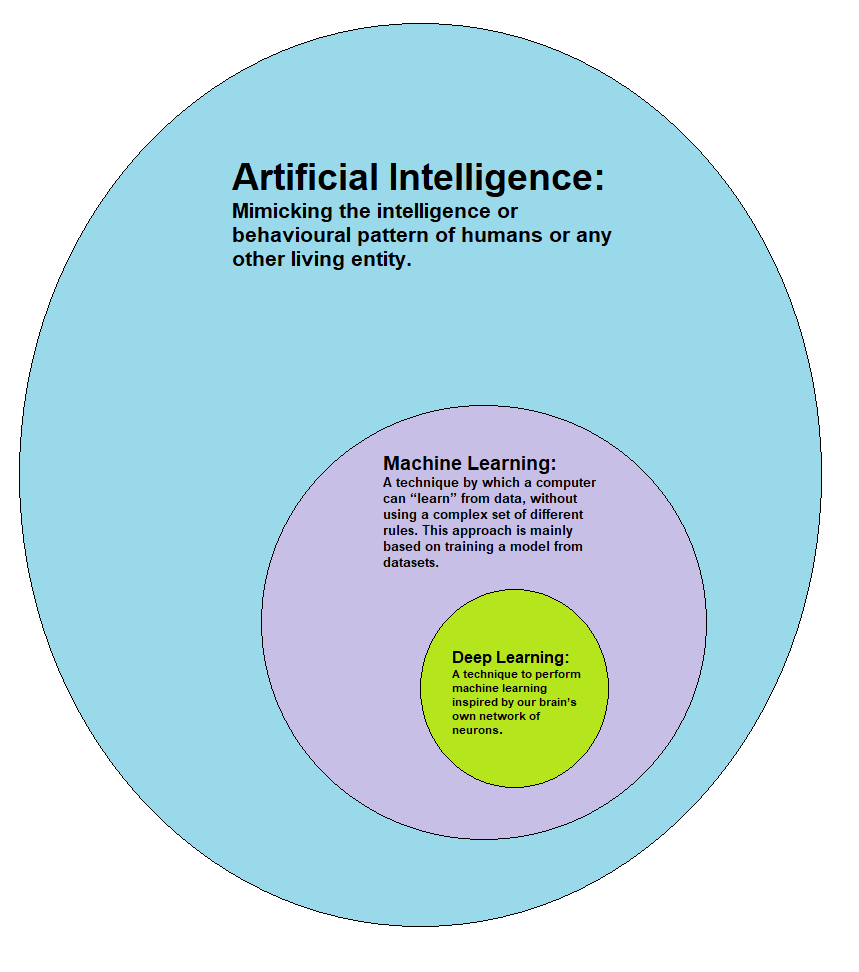
Think of it this way: when you teach a dog to fetch, you're using repetition and rewards. In a similar way, we can 'train' a computer. But instead of throwing a stick, we feed it massive amounts of information. Over time, the machine learns to identify patterns and make decisions on its own. It's not about creating a conscious being, but about building tools that can reason and adapt in useful ways.
A Quick Trip Through Time
The idea of artificial beings has been around for centuries, but the scientific field of AI officially kicked off in the 1950s. A small group of researchers believed they could build machines that could think. Early progress was exciting, with programs that could solve algebra problems and play checkers.
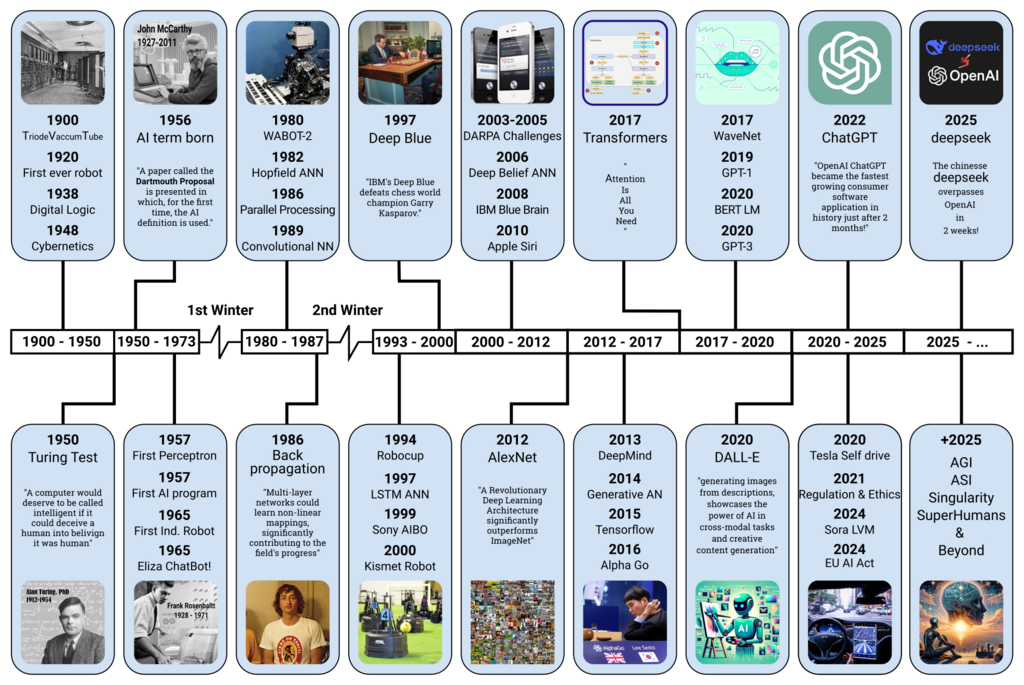
However, the initial excitement outpaced the technology of the time. Progress stalled, leading to periods known as "AI winters" when funding and interest dried up. But in recent decades, two key things changed: the explosion of available data from the internet and the development of much more powerful computers. These ingredients sparked the AI revolution we're living in today.
Two Flavors of AI
When people talk about AI, they are usually referring to one of two types. It's important to know the difference, because one is all around us and the other is still the stuff of science fiction.
First, there's Artificial Narrow Intelligence (ANI), sometimes called Weak AI. This is the only type of AI we have successfully created so far. ANI is designed and trained for one specific task. It can be incredibly good at that single job, often better than a human, but it can't operate outside its narrow programming. Your spam filter doesn't know how to drive a car, and a chess-playing AI can't suggest a movie for you to watch.
Virtually every AI you interact with—from digital assistants on your phone to recommendation algorithms on streaming sites—is a form of Narrow AI.
The other type is Artificial General Intelligence (AGI), or Strong AI. This is the AI you see in movies, like the droids in Star Wars or Samantha in Her. AGI refers to a machine with the ability to understand, learn, and apply its intelligence to solve any problem, much like a human being. It would possess consciousness and a wide range of cognitive abilities. Creating AGI is the ultimate goal for many AI researchers, but it remains a massive, unsolved challenge.
AI in Your Daily Life
You might not always notice it, but AI is already a part of your daily routine. It's not just about robots and self-driving cars; it's woven into the fabric of the digital world.
| Application | How AI is Used |
|---|---|
| Navigation Apps | Calculates the fastest route by analyzing real-time traffic data. |
| Filters out spam and sorts messages into categories. | |
| Streaming Services | Recommends movies and shows based on your viewing history. |
| Online Shopping | Suggests products you might like based on past purchases and browsing. |
| Digital Assistants | Understands your voice commands to set alarms, answer questions, or play music. |
| Social Media | Curates your news feed to show content it thinks you'll find engaging. |
These systems all use Narrow AI to analyze vast amounts of data and make predictions or decisions. They learn your preferences and patterns to make your experience smoother and more personalized. While we're still a long way from human-level general intelligence, the specialized AI we use today has already transformed how we live and work.
What is the fundamental goal of Artificial Intelligence?
A self-driving car is excellent at navigating roads but cannot write a poem. This is a classic example of:
From its early theoretical beginnings to the powerful tools we use every day, AI is a field that continues to evolve at a breathtaking pace. Understanding these basic concepts is the first step to navigating its future.