Introduction to ChatGPT
Introduction to Large Language Models
What Are Large Language Models?
At its core, a large language model (LLM) is an AI designed to understand and generate human language. Think of it as a student who has read a colossal library—not just books, but articles, websites, and conversations from across the internet. By processing this massive amount of text, the model learns the patterns, rules, grammar, and nuances of how we communicate.
A Large Language Model (LLM) is a type of artificial intelligence program designed to understand, generate, and work with human language.
This isn't just about memorizing facts. The goal is for the AI to grasp context, sentiment, and the subtle relationships between words. This ability allows LLMs to perform a wide range of tasks, from translating languages and summarizing long documents to answering questions and even writing poetry. They are the engines behind many modern AI applications, including chatbots like ChatGPT.
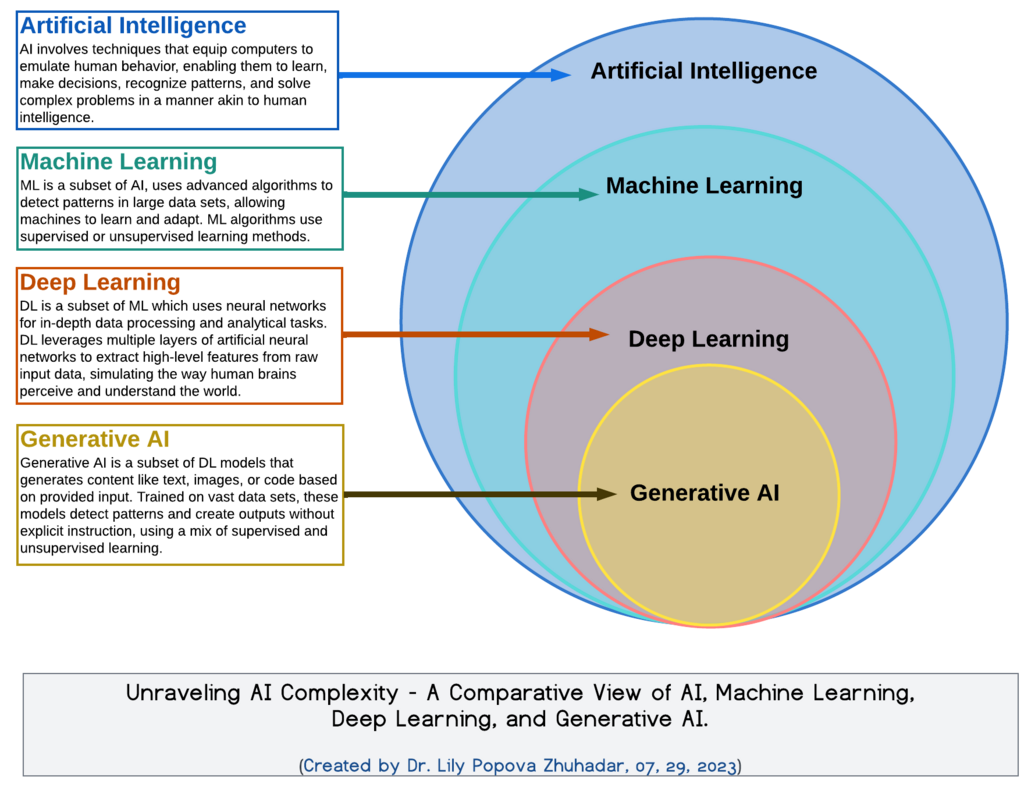
LLMs belong to a field called Natural Language Processing (NLP), which focuses on enabling computers to understand and interact with human language. They represent a significant leap forward in making our interactions with technology feel more natural and intuitive.
A Brief History
The idea of teaching machines to understand language isn't new, but for decades, progress was slow. Early systems relied on complex, hand-coded rules about grammar and syntax. These models were brittle and couldn't handle the sheer variety and messiness of real human language.
The game changed with machine learning, which allowed computers to learn patterns directly from data instead of being explicitly programmed. Still, models struggled with understanding long-range context in sentences. A major breakthrough came in 2017 with the development of the Transformer architecture, a new design that revolutionized how AI processes sequential data like text. This innovation paved the way for the creation of truly large language models.
The GPT Family
Within the world of LLMs, OpenAI's GPT (Generative Pre-trained Transformer) series stands out. Each new version marked a significant step forward in capability.
GPT-3, released in 2020, was a landmark model. With 175 billion parameters, it demonstrated an astonishing ability to generate coherent, context-aware text that was often indistinguishable from human writing. It could write essays, generate code, and answer complex questions, setting a new standard for what was possible.
GPT-4, its successor, took these abilities even further. While OpenAI hasn't disclosed the exact number of parameters, GPT-4 is significantly more powerful. It exhibits improved reasoning skills, handles more complex instructions, and possesses a greater degree of creativity. It's also multimodal, meaning it can understand and process not just text, but images as well.
These models form the foundation for tools like ChatGPT, which are then fine-tuned to be particularly good at conversation. By understanding what LLMs are and how they've evolved, we can better appreciate the technology we're about to explore.
Time to check your understanding of these foundational concepts.
What is the primary function of a large language model (LLM)?
The development of modern LLMs like GPT was significantly accelerated by which 2017 invention?
Now you have a solid grasp of what large language models are. Next, we'll look closer at the architecture that makes them possible.