Introduction to Carpentry
Introduction to Carpentry
The Craft of Carpentry
Carpentry is one of humanity's oldest skills. From the simple shelters of our ancestors to the towering structures of today, shaping wood has been essential to civilization. It's a craft that blends precision with creativity, turning a raw, natural material into something functional and beautiful. Every cut and joint tells a story of planning and skill.
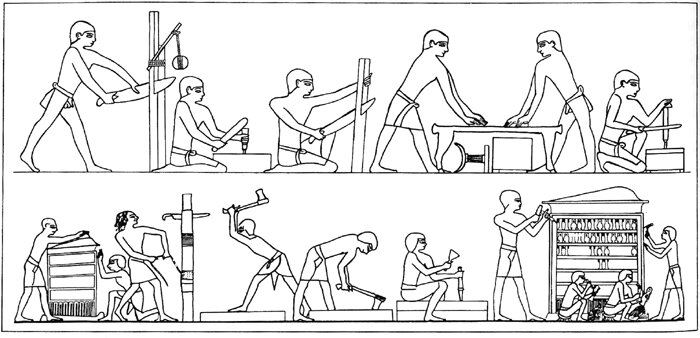
At its core, carpentry is about understanding wood and knowing how to work with it. Before you ever pick up a tool, learning the fundamentals of safety, the properties of your material, and the purpose of each tool will set you up for success. This foundation makes the difference between a frustrating struggle and a rewarding project.
Safety First, Always
In any workshop, safety is the most important rule. There are no exceptions. Sharp tools, dust, and heavy materials create hazards that you must respect. Developing good safety habits from the start protects you and ensures you can continue to enjoy the craft for years to come.
| Do | Don't |
|---|---|
| Always wear safety glasses. | Work when you're tired or distracted. |
| Keep your work area clean and uncluttered. | Use a dull or damaged tool. |
| Secure your work with clamps. | Rush through a cut. |
| Disconnect power tools when not in use. | Wear loose clothing or jewelry. |
Personal protective equipment, or PPE, is your first line of defense. Safety glasses protect your eyes from flying debris. Hearing protection is crucial when working with loud machinery, and gloves can prevent splinters, though they shouldn't be worn around tools with spinning blades where they could get caught.

Know Your Material
Wood is not a uniform material like plastic or metal. It was once a living tree, and its structure reflects that. The most important feature to understand is the wood grain, which is the direction of the wood fibers. The grain determines the wood's strength, appearance, and how it will react to being cut.
Working with the grain means cutting or shaping parallel to the fibers, which is easier and produces a smoother finish. Working against the grain can cause the wood to tear and splinter.
Woods are generally categorized into two types: hardwoods and softwoods. This classification isn't necessarily about how hard the wood is, but about the type of tree it comes from.
Hardwoods come from deciduous trees, which lose their leaves in the fall. They tend to be denser and more durable. Common examples include oak, maple, and cherry.
Softwoods come from coniferous trees, which are typically evergreen and have needles and cones. They are generally lighter and less expensive. Pine, cedar, and fir are common softwoods.
For beginners, a clear, straight-grained softwood like pine is often a great choice. It's affordable and easy to work with.
The Essential Toolkit
You don't need a workshop full of expensive equipment to get started in carpentry. A solid set of basic hand tools will allow you to complete a wide variety of projects. Quality matters more than quantity. A few well-made tools will serve you better than a large set of poor-quality ones.
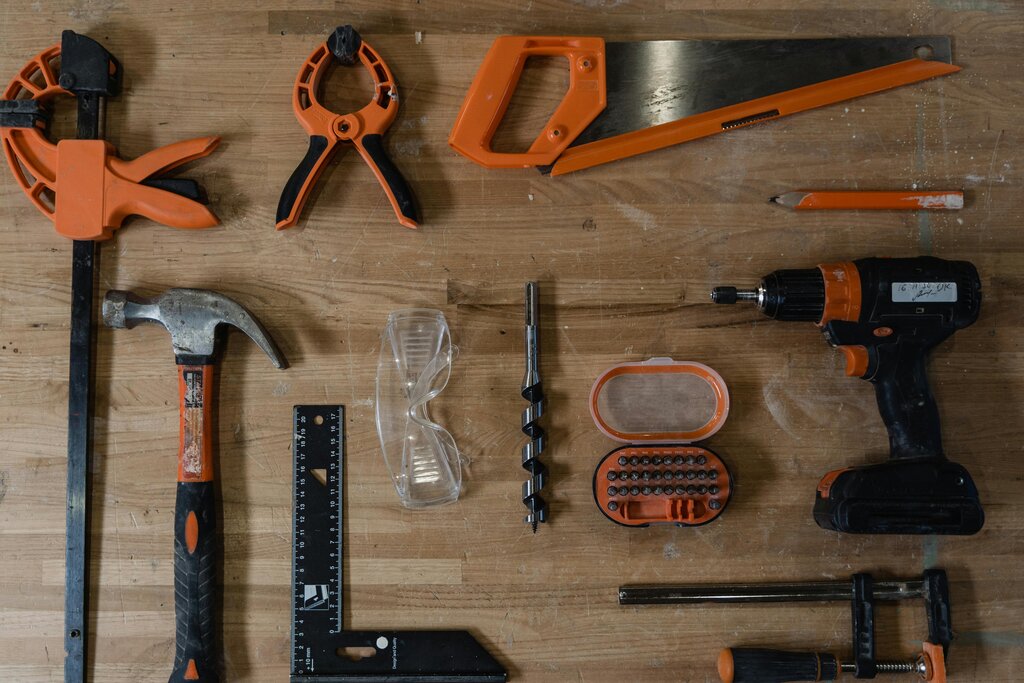
Here are a few indispensable tools for any carpenter:
- Measuring Tape: For accurate measurements. Without it, nothing fits.
- Carpenter's Square: Essential for marking 90-degree angles for square cuts. A speed square or combination square works well.
- Hand Saw: A sharp crosscut saw is used for cutting wood against the grain, while a ripsaw cuts with the grain. A good general-purpose saw is a fine place to start.
- Claw Hammer: Used for driving and removing nails. Choose one that feels balanced and comfortable in your hand.
- Chisels: For carving, shaping, and cleaning out joints. A small set of sharp chisels is incredibly versatile.
The most famous rule in carpentry is simple: "Measure twice, cut once." It's a timeless reminder to be patient and precise.
With these basics covered, you have a solid foundation. The next step is to practice using these tools on simple projects to build your confidence and skill.
In carpentry, what is the most important rule to follow in any workshop?
The primary difference between hardwoods and softwoods is based on the hardness and density of the wood.
Carpentry is a journey of continuous learning. By mastering these core principles of safety, material knowledge, and tool use, you're well on your way to creating things with your own hands.