Introduction to Capital Markets
Introduction to Capital Markets
Where Big Ideas Get Funded
Imagine a company wants to build a huge new factory, or a government needs to fund a high-speed rail line. These are massive, long-term projects that require a lot of money. Where does that funding come from? Often, it comes from the capital markets.
Capital markets are places where savings and investments are channeled between people who have capital and those who need it. Think of it as a global marketplace for long-term funds. Instead of selling goods, participants buy and sell long-term financial assets like stocks and bonds.
The main purpose is to connect entities that need capital for big projects—like businesses and governments—with individuals and institutions looking to invest their money for the long haul.
This connection is vital. It allows companies to expand, innovate, and create jobs. It lets governments build essential infrastructure like roads, schools, and hospitals. In short, capital markets fuel economic growth by funding the future.
Long Term vs Short Term
Financial markets aren't all the same. A key distinction is between capital markets and money markets. The difference comes down to time.
Capital markets deal with long-term financing—investments that mature in more than a year. Money markets, on the other hand, handle short-term borrowing and lending, with maturities of a year or less. A company might use the money market to manage its daily cash flow, but it would turn to the capital market to fund a ten-year expansion plan.
| Feature | Capital Markets | Money Markets |
|---|---|---|
| Time Horizon | Long-term (over one year) | Short-term (up to one year) |
| Purpose | Funding growth, new projects | Managing daily liquidity |
| Typical Assets | Stocks, government & corporate bonds | Treasury bills, commercial paper |
| Risk Level | Generally higher | Generally lower |
The Five Key Functions
Capital markets are more than just a place to trade; they perform several critical functions that keep the economy running smoothly.
1. Mobilizing Savings Most of us aren't wealthy enough to single-handedly fund a new factory. But capital markets pool the smaller savings of millions of people, creating a large fund that can be used for significant investments. This process channels money that might otherwise sit idle into productive use.
2. Price Determination The price of a stock or bond isn't arbitrary. It's set by the constant interaction of buyers and sellers in the market, reflecting all available information about a company's performance and future prospects. This “price discovery” helps allocate capital to the most promising companies.
3. Providing Liquidity Liquidity is the ability to convert an asset into cash quickly. While stocks and bonds are long-term investments, capital markets make them liquid. If you own shares in a company and need cash, you don’t have to wait for the company to dissolve. You can sell your shares to another investor in the market, often in seconds.
4. Risk Sharing Investing always involves risk. Capital markets allow this risk to be spread out. Instead of one person bearing all the risk of a new venture, it can be shared among thousands of shareholders. Investors can also manage their own risk by diversifying their investments across many different companies and industries.
5. Enhancing Corporate Governance When a company sells shares to the public, it becomes subject to greater scrutiny. It must regularly report its financial results and comply with rules designed to protect investors. This transparency and accountability, known as corporate governance, helps ensure that companies are managed responsibly.
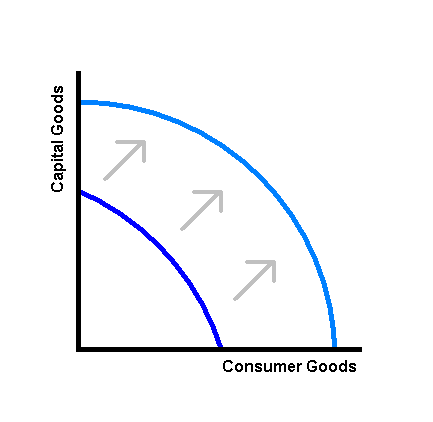
By performing these functions, capital markets play a central role in driving economic progress. They ensure that good ideas get funded and that capital flows to where it can be used most productively. This efficient allocation of resources leads to innovation, job creation, and a higher standard of living.
What is the primary role of a capital market in an economy?
The key distinction between a capital market and a money market is the maturity period of the financial instruments traded.
These foundational concepts are the building blocks for understanding how our global economy functions.