Introduction to C++ Programming
Introduction to C++
The Story of C++
In the late 1970s, a Danish computer scientist named Bjarne Stroustrup was working on his PhD. He needed a programming language that was both efficient for system-level tasks and organized enough for large, complex projects. The popular C language was fast but lacked high-level features for managing complexity. Other languages had those features but were too slow.
So, Stroustrup decided to create a new language. Starting in 1979 at Bell Labs, he began adding features to C. His project was initially called "C with Classes." It took the speed and low-level power of C and added the organizational concepts of object-oriented programming. By 1983, the name was changed to C++, and it began its journey to becoming one of the world's most influential programming languages.
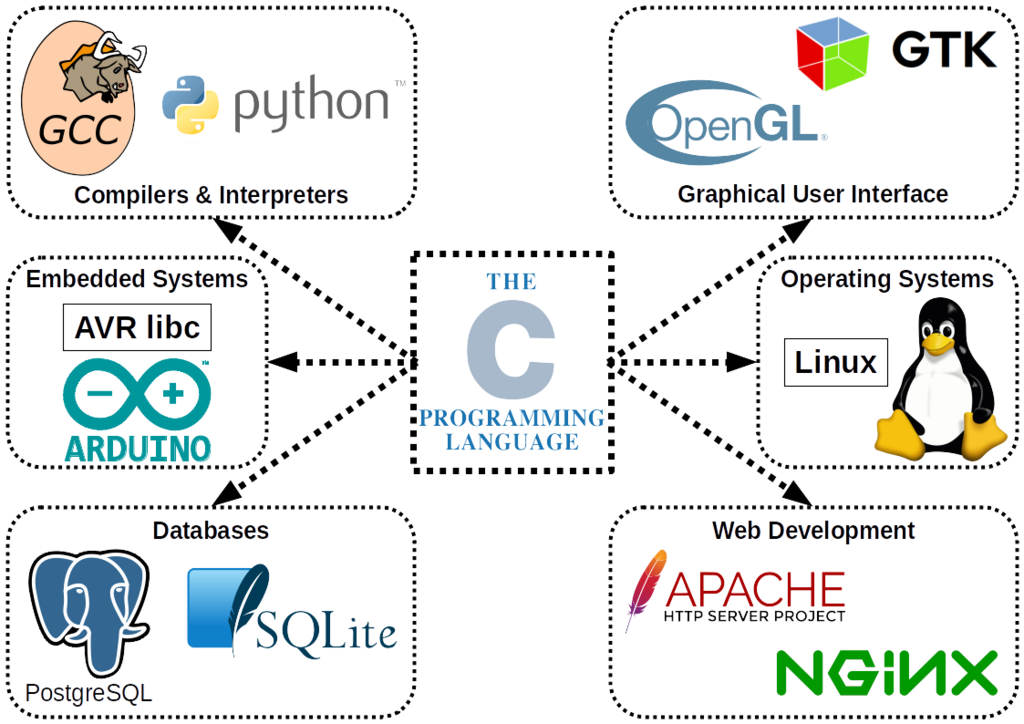
This evolution means C++ isn't just an extension of C. It's a hybrid language that supports multiple ways of programming, giving developers incredible flexibility and power.
Key Features
What makes C++ so versatile? It boils down to a few core ideas.
First, it supports object-oriented programming (OOP). This is a way of organizing code that bundles data and the functions that operate on that data into single units called "objects." Think of it like a blueprint for a car. The blueprint (a "class") defines what a car is and what it can do. From that blueprint, you can build many individual cars (the "objects"), each with its own state but sharing the same core design. This makes code more reusable and easier to manage in large applications.
Second, C++ is known for its performance. Because it's a compiled language and allows for low-level memory management, it can run incredibly fast. It gives the programmer direct control over hardware resources, much like C. This makes it ideal for tasks where speed is critical.
Finally, it's a multi-paradigm language. You can write procedural code like in C, or you can use object-oriented principles. This flexibility allows developers to choose the best approach for the problem they're trying to solve.
C++ is a general-purpose programming language. It has imperative, object-oriented and generic programming features, while also providing facilities for low-level memory manipulation.
Where C++ Shines
The combination of performance and high-level abstraction makes C++ the go-to language for many demanding fields. When an application needs to be fast, efficient, and complex, C++ is often the best tool for the job.
| Domain | Why C++ is Used |
|---|---|
| Game Development | For the performance needed to render complex graphics and run game logic in real-time. |
| System Software | Operating systems and device drivers are built with C++ for direct hardware control. |
| High-Frequency Trading | In finance, microsecond delays can cost millions. C++ provides the necessary speed. |
| Embedded Systems | Used in microcontrollers for cars, medical devices, and IoT gadgets with limited resources. |
| Browsers & Graphics | Major web browsers and high-performance graphics applications rely on C++ for speed. |
Now that you have an overview of what C++ is and where it's used, let's test your understanding.
Who is credited with creating the C++ programming language?
What was the original name of C++ during its early development?
From its origins as an enhancement to C, C++ has grown into a powerful, versatile language that drives some of the most critical software in the world.