Introduction to C Programming
Introduction to C
The Roots of Modern Code
Most modern programming languages stand on the shoulders of a giant: C. Developed in the early 1970s by Dennis Ritchie at Bell Labs, C wasn't just an academic exercise. It was created for a very practical purpose: to write the Unix operating system.
Before C, operating systems were often written in assembly language, which is specific to a particular type of computer processor. This meant that moving an operating system to a new machine required a massive rewrite. Ritchie and his colleague Ken Thompson needed a language that was powerful enough to talk to computer hardware directly but also portable enough to run on different systems. C was the solution.
C gave programmers unprecedented power and flexibility, bridging the gap between high-level logic and low-level machine instructions.
This combination of power and portability was revolutionary. The Unix operating system, written almost entirely in C, could now be adapted for different computers with relative ease. This success story cemented C's place in history and made it a foundational language for generations of developers.
What Makes C Special
So what are the core characteristics of C? Three key ideas define the language: its structure, its speed, and its scope.
First, C is a procedural language. Think of it like a recipe. A C program is a series of step-by-step instructions, or procedures, that the computer follows in a specific order. You organize these instructions into functions, which are blocks of code that perform a single task. This straightforward, linear approach makes the logic easy to follow.
Second, C is incredibly fast and efficient. It's often called a "middle-level" language because it combines the readability of high-level languages (like Python) with the raw power of low-level assembly language. C allows you to manipulate computer memory directly, giving you fine-grained control over how the computer operates. This "closeness to the hardware" results in programs that run very quickly and use resources wisely.
Because it's so efficient, C is the go-to language when performance is critical.
Finally, C is highly influential and portable. Code written in C can be compiled to run on almost any type of computer, from a massive supercomputer to a tiny microcontroller. Its syntax and core ideas have also been so successful that they became the blueprint for many other popular languages, including C++, C#, Java, and Objective-C. Learning C is like learning the Latin of programming languages; it helps you understand the roots of many others.
Where You'll Find C Today
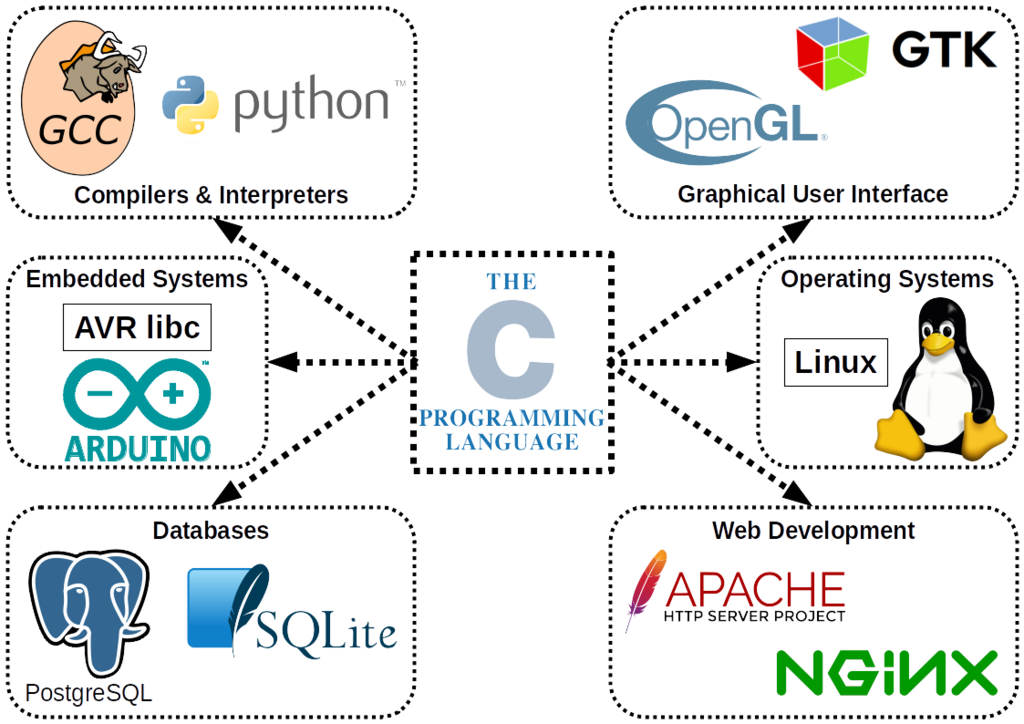
Even after five decades, C is everywhere. Its efficiency and control over hardware make it indispensable for certain tasks.
The core of most major operating systems, including Windows, Linux, and macOS, is written in C. It's the language that manages your computer's resources, from memory to files.
C also powers the world of embedded systems. These are the small computers inside everyday devices like microwaves, cars, medical devices, and smart appliances. These systems have limited memory and processing power, so they need a language that is lean and fast. C is the perfect fit.
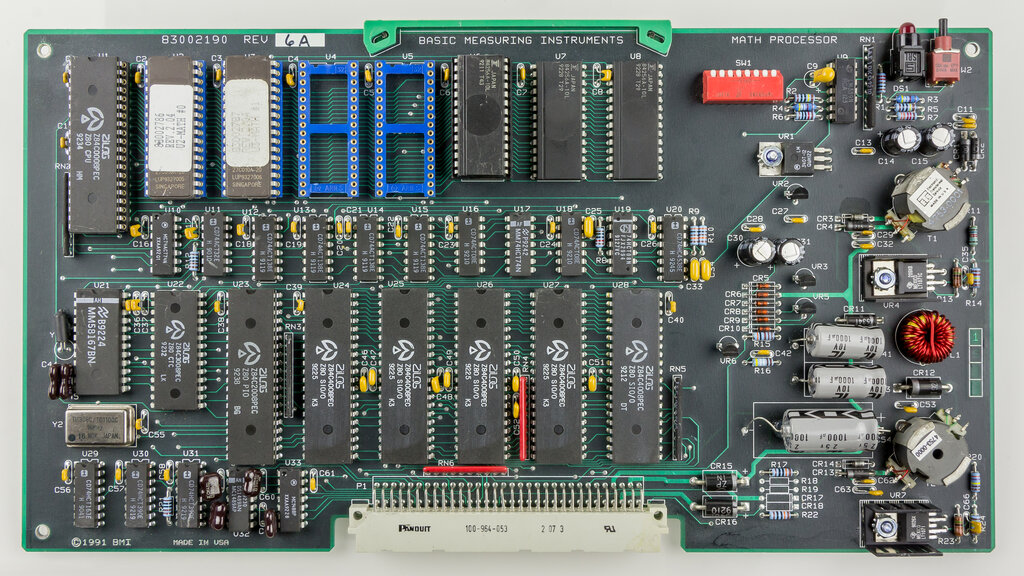
From game engines and databases to the complex software that routes internet traffic, C remains a critical tool. Its legacy is not just in the past; it's actively shaping the technology we use every day.
What was the primary motivation for creating the C programming language in the early 1970s?
C is often called a "middle-level" language. What does this term signify?