Introduction to Business Analytics
Introduction to Business Analytics
What Is Business Analytics?
Business analytics is the process of turning raw data into useful insights that help companies make smarter decisions. Think of a retail store. It collects vast amounts of data every day: every sale, every customer visit, every item returned. On its own, this is just a long list of transactions. It's raw data.
But with business analytics, that store can transform the data into valuable knowledge. It can identify its most popular products, understand peak shopping hours, and learn which discounts are most effective. This isn't just interesting information; it's a roadmap for improving performance.
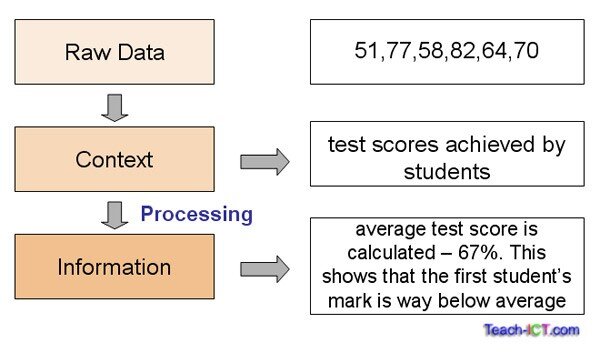
The core idea is to move from guessing to knowing. Instead of relying on intuition alone, businesses use data to guide their strategy. This data-driven approach helps companies understand their customers, streamline operations, and find new opportunities for growth.
By transforming raw data into actionable insights, analytics enables businesses to understand their operations better, anticipate market changes, and optimize strategies.
The Three Types of Analytics
Business analytics isn't a single activity. It's a spectrum of techniques that can be grouped into three main categories, each answering a different kind of question.
| Type | Question Answered | Example |
|---|---|---|
| Descriptive | What happened? | A sales report showing total revenue by region for the last quarter. |
| Predictive | What will happen? | A forecast estimating next month's demand for a product. |
| Prescriptive | What should we do? | A model recommending the best shipping routes to minimize fuel costs. |
Descriptive analytics is the most common type. It looks at historical data to summarize what has already occurred. It’s the foundation of all data analysis, providing a clear picture of past performance. Dashboards, reports, and key performance indicators (KPIs) are all products of descriptive analytics.
Predictive analytics takes things a step further. It uses statistical models and historical data to forecast future outcomes. This helps businesses anticipate trends, from customer behavior to inventory needs. It’s about making educated guesses about the future.
Prescriptive analytics is the most advanced form. It not only predicts what might happen but also suggests a course of action to achieve a desired outcome. It uses optimization and simulation algorithms to advise on the best possible decision. For example, it could recommend specific marketing actions to take for different customer segments to maximize engagement.
The Analytics Process
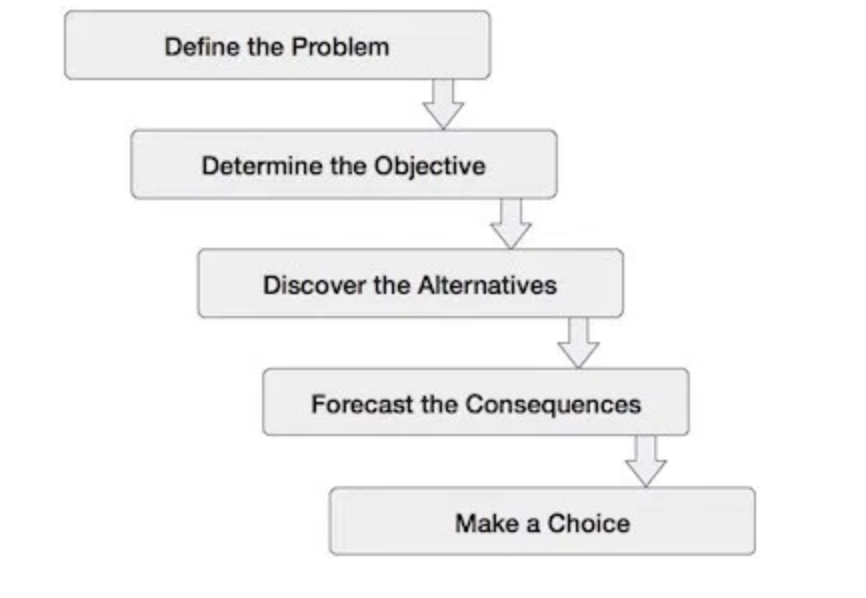
Regardless of the type, the analytics process generally follows a structured path from data to decision.
-
Data Collection: The first step is to gather data from relevant sources. This could be internal data, like sales transactions from a CRM system, or external data, like social media trends or market research reports.
-
Analysis: Once collected, the data is cleaned, processed, and analyzed. This is where the different types of analytics come into play. An analyst might start by describing historical trends, then build a model to predict future events, and finally recommend actions.
-
Interpretation and Communication: Data doesn't speak for itself. The findings must be interpreted to understand their business implications. The insights are then communicated to decision-makers, often through visualizations like charts and graphs that make complex information easy to grasp.
-
Application: The final and most crucial step is to use these insights to make a business decision. This could mean adjusting a marketing budget, changing a product's price, or optimizing a supply chain. The goal is to apply the knowledge gained from the data to drive real-world improvements.
This cycle is often continuous. The outcomes of one decision generate new data, which feeds back into the process for ongoing refinement and learning.
What is the primary goal of business analytics?
A retail company creates a dashboard showing its top-selling products from the last quarter. What type of analytics is this an example of?
By understanding these core concepts, you've taken the first step into the world of business analytics. It's a field dedicated to helping organizations navigate complexity and make better, more informed choices.