Introduction to Business Analysis
Introduction to Business Analysis
What Is Business Analysis?
Business analysis is the practice of identifying a company's needs and figuring out the best way to solve its problems. Think of a business analyst as a bridge. On one side, you have the business—the people with goals, challenges, and ideas. On the other side, you have the solutions—often technology, but also new processes or organizational changes. The business analyst connects the two.
They dig deep to understand what an organization truly needs, not just what it says it wants. For example, a sales team might ask for a new software feature. A business analyst investigates why. They might discover the real problem is an inefficient workflow, and a simpler process change—not new software—is the better solution. In essence, business analysis is about enabling valuable change by defining needs and recommending solutions that deliver value to stakeholders.
It's not just about gathering requirements. It's about asking the right questions to uncover the real problem that needs to be solved.
The Business Analyst's Role
A business analyst (BA) wears many hats, but their core responsibility is to act as an agent of change. They work with people across the organization, from executives to IT developers, to ensure everyone is moving in the same direction toward a common goal.
Daily tasks often involve:
- Investigating: Talking to stakeholders to understand their challenges and goals.
- Analyzing: Sifting through information, identifying patterns, and defining clear, actionable requirements.
- Communicating: Translating business needs into technical specifications and vice versa, ensuring there are no misunderstandings.
- Recommending: Evaluating potential solutions and recommending the one that offers the most value to the business.

They document their findings in a way that is clear to both business and technical teams. This ensures that the final solution—whether it's a new app, a streamlined process, or a strategic shift—actually solves the original problem.
The most important responsibility of the Business Analyst’s job is to get the requirements right.
Why Business Analysis Matters
Without good business analysis, organizations risk wasting time and money on projects that don't deliver real value. A project might be completed on time and on budget, but if it doesn't solve the right problem or meet the users' needs, it’s a failure.
Business analysis helps organizations avoid this by ensuring that every project is aligned with its strategic objectives. It provides a structured approach to decision-making, reducing the risk of building the wrong thing. By focusing on the "why" behind a project, BAs help prioritize initiatives that will have the biggest positive impact.
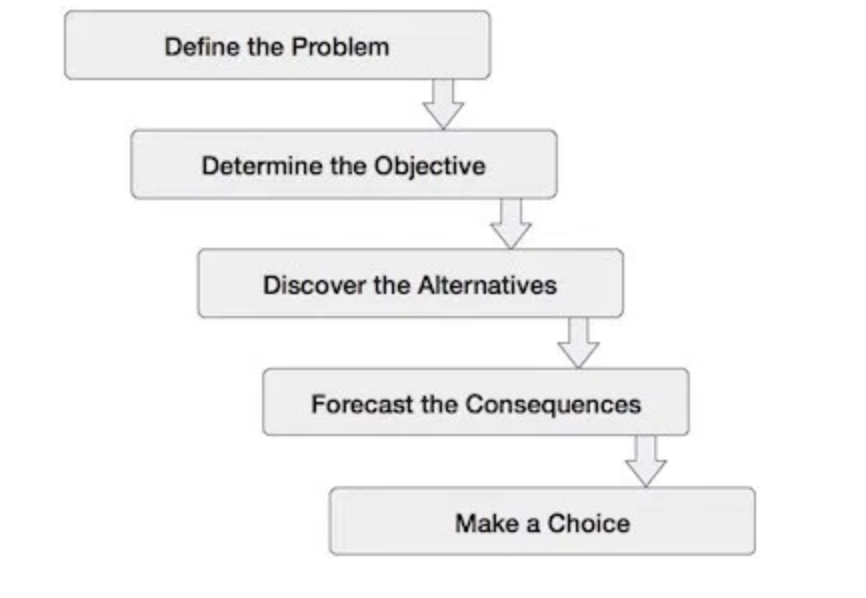
This structured thinking minimizes guesswork and ensures that resources are invested wisely. In the end, effective business analysis leads to better business outcomes, from increased efficiency and lower costs to improved customer satisfaction and higher revenue.
Core Skills for Success
To succeed as a business analyst, you need a unique blend of technical and interpersonal skills. It's not enough to be good with data; you also have to be good with people. Here are some of the core competencies.
| Skill | Description |
|---|---|
| Analytical Thinking | The ability to break down complex information into smaller, manageable parts to understand it better. |
| Problem-Solving | Identifying issues, analyzing different solutions, and choosing the most effective course of action. |
| Communication | Clearly conveying information to different audiences, including listening, writing, and presenting. |
| Stakeholder Management | Building and maintaining positive relationships with everyone involved in a project to foster collaboration. |
| Business Acumen | Understanding the organization's industry, operations, and strategic goals. |
These skills enable a business analyst to navigate complex business environments, facilitate clear communication, and ultimately guide projects to successful completion.
Ready to see what you've learned? Let's tackle a few questions.
What is the primary role of a business analyst in an organization?
A sales team requests a new software feature to track customer calls. What is the most important question for a business analyst to investigate first?
At its heart, business analysis is about understanding the present state of an organization and helping it move to a better future state. By acting as a critical link between different parts of the business, analysts ensure that change is not only managed but is also meaningful and valuable.