Introduction to Business
Introduction to Business Operations
The Engine of a Business
Every business, whether it's a corner coffee shop or a global tech company, has an engine that keeps it running. This engine is called business operations. It’s the collection of all the tasks and processes needed to produce and deliver products or services to customers. Think of it as everything that happens behind the scenes to create value.
Just like a car's engine has different parts that must work together, a business has several core functions that need to be in sync. The main ones are management, finance, marketing, and strategy. When they all work in harmony, the business runs smoothly. When one sputters, the whole company can slow down.
Management Steers the Ship
Management is the function that provides direction and supervision. Managers are responsible for guiding the company toward its goals. They don't just tell people what to do; they create the environment where work can get done effectively.
Their responsibilities generally fall into four key areas:
- Planning: Deciding on the company's objectives and how to achieve them.
- Organizing: Arranging resources, from people to equipment, to carry out the plan.
- Leading: Motivating and directing employees to work towards the company’s vision.
- Controlling: Monitoring progress, comparing it to the plan, and making adjustments as needed.
In short, management sets the course and makes sure everyone is rowing in the same direction.
Finance Manages the Money
Finance is the lifeblood of any business. This function is all about managing the company's money to ensure it can operate and grow. Without sound financial management, even the most brilliant business idea will fail.
The finance department has several key duties:
- Bookkeeping and Accounting: Tracking all financial transactions, including money coming in (revenue) and money going out (expenses).
- Financial Planning: Creating budgets and forecasting future financial performance to guide decisions.
- Funding: Securing money the business needs, whether through loans, investors, or its own profits.
Ultimately, the finance team ensures the company remains financially healthy and has the resources to execute its plans.
Marketing Connects with Customers
A great product is useless if no one knows it exists. That’s where marketing comes in. Marketing is the bridge between a company and its customers. Its main goal is to understand customer needs and communicate how the company's products or services can meet them.
Marketing activities include:
- Market Research: Learning about the target audience, their preferences, and the competition.
- Branding: Creating a unique identity for the company and its products.
- Promotion: Spreading the word through advertising, social media, and other channels.
- Sales: The process of actually converting potential customers into paying ones.
Effective marketing doesn't just attract new customers; it also builds long-term relationships that encourage loyalty.
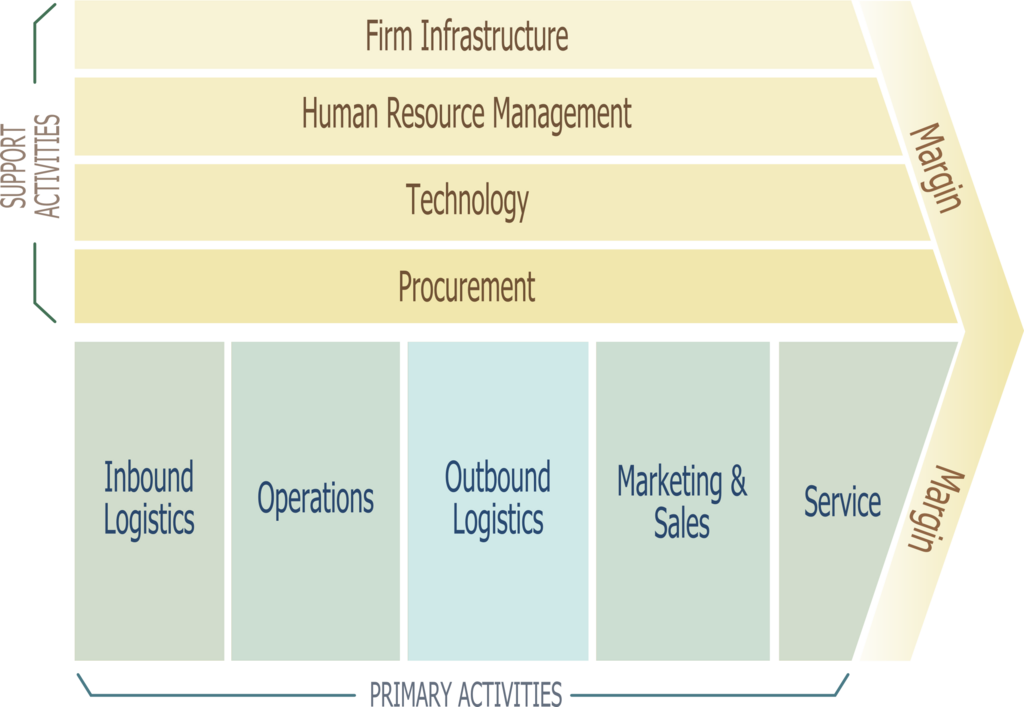
Strategy Defines the Destination
If management steers the ship, strategy provides the map and the destination. Business strategy is the long-term plan for achieving a company’s goals, particularly in the face of competition. It answers critical questions like: What is our mission? Who are our customers? And how will we win in the marketplace?
Strategy isn't just a document that sits on a shelf. It guides the decisions made across all other functions. The marketing team's campaigns, the finance team's budget, and management's operational plans should all align with the company's overall strategy. This alignment is what transforms a group of separate departments into a single, focused organization.
Complete introduction to NetSuite covering navigation, key modules, and basic operations.
Now that you've been introduced to the core functions of a business, let's test your understanding.