Introduction to Building Automations
Introduction to Automation
What Is Automation?
Automation is the use of technology to perform tasks with minimal human assistance. The core idea is to create a system or process that can operate on its own. Think of a thermostat in your home. You set a desired temperature, and the thermostat automatically turns the heating or cooling on and off to maintain it. You don't have to watch the thermometer and flip a switch yourself. That's automation in a nutshell.
The main goals are to boost efficiency, reduce errors, and improve quality. By handing over repetitive or dangerous tasks to machines, people are free to focus on more creative, strategic, and complex problems. It's not just about replacing human effort, but about augmenting human capability.
Introducing automation on various development stages can reduce manual intervention allowing efficiency to be increased and reducing error rate.
A Quick Trip Through Time
Automation isn't a new concept. Early forms existed centuries ago. Ancient Greeks and Arabs built automated water clocks and humanoid figures called automata. Windmills and water wheels, which automatically adjusted to the direction of the wind or flow of water, were early examples of mechanical feedback control.
The Industrial Revolution in the 18th and 19th centuries was a major turning point. James Watt's centrifugal governor, a device that automatically regulated the speed of a steam engine, is a classic example of a feedback control system. Later, in the early 20th century, Henry Ford's assembly line automated the process of manufacturing, dramatically increasing the speed of production.
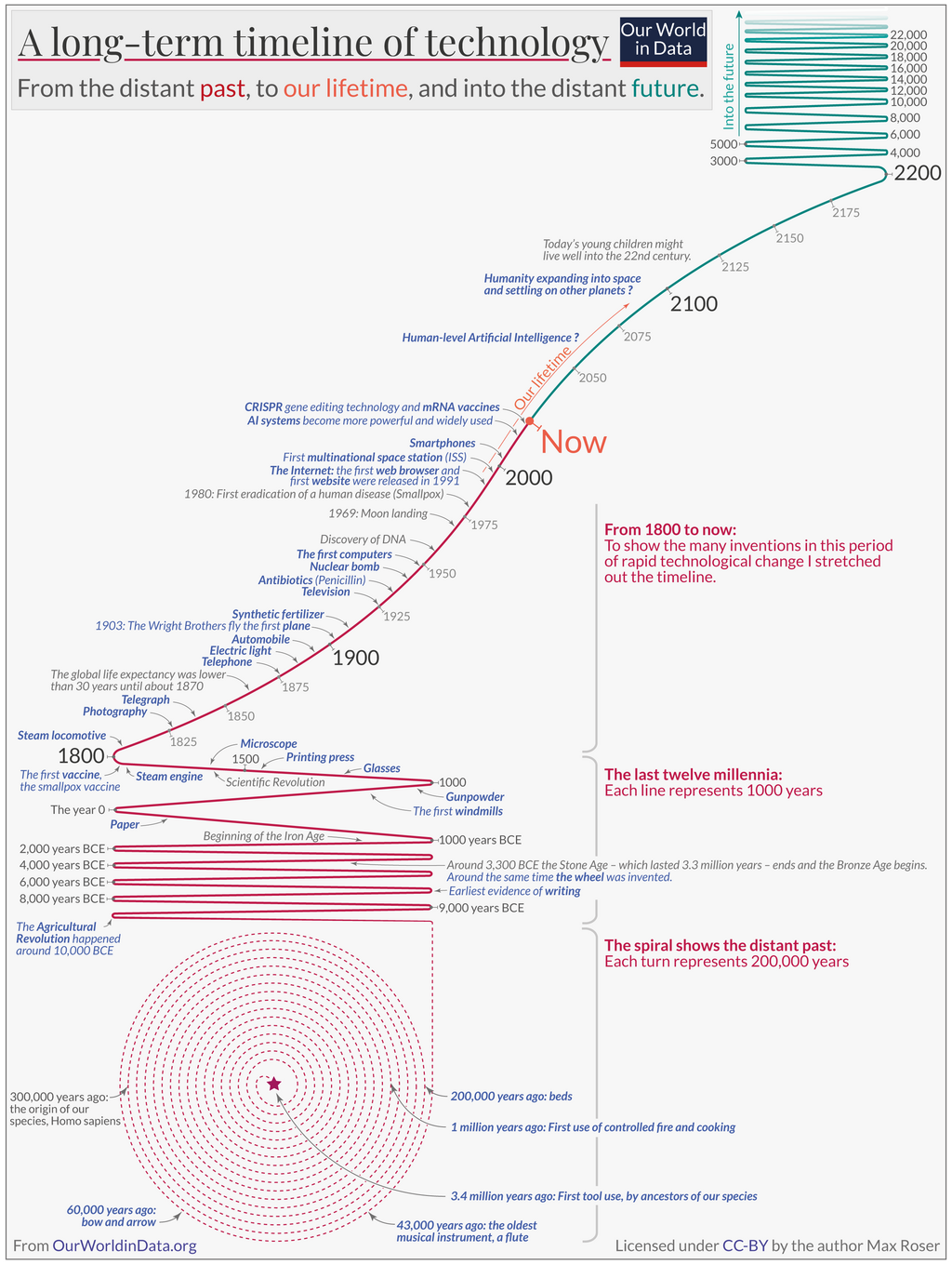
The invention of transistors and computers in the mid-20th century kicked off the digital age of automation. These new technologies allowed for much more sophisticated and flexible control, paving the way for the programmable robots and complex software systems we see today.
The Engines of Automation
At the heart of any automated system is a control system. These are the mechanisms that manage, command, and regulate the behavior of other devices. They come in several forms.
- Mechanical systems use components like gears, levers, and cams to control motion. Think of the intricate inner workings of an old-fashioned grandfather clock.
- Pneumatic and hydraulic systems use compressed gas (pneumatics) or pressurized liquids (hydraulics) to generate force and movement. Air brakes on a truck are a common example of a pneumatic system, while a construction excavator uses hydraulics to move its powerful arm.
- Electrical and electronic systems use electricity to control processes. This ranges from simple electrical relays that open and close circuits to the complex microprocessors and programmable logic controllers (PLCs) that run modern factories.
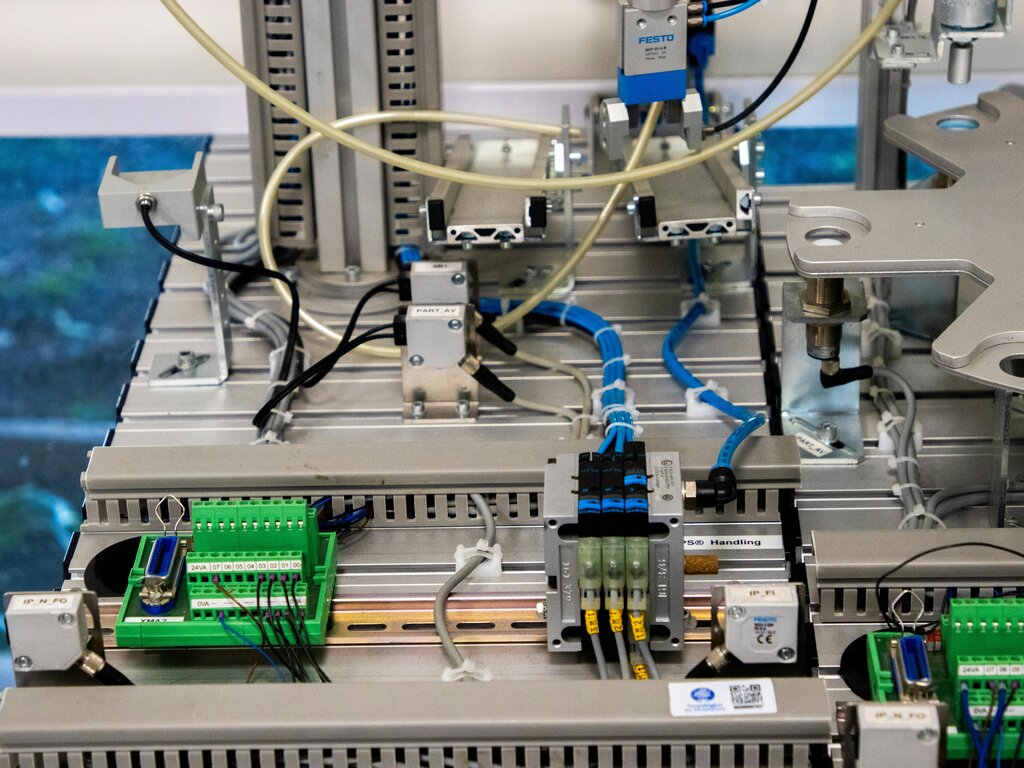
Today, most advanced automation systems are a hybrid, combining electronic brains with mechanical, hydraulic, or pneumatic muscle to get the job done.
Why Automation Matters
Automation is a driving force in the modern world. In manufacturing, robots perform tasks like welding and assembly with a precision and consistency that humans can't match, while also taking on jobs that are dirty or dangerous. In logistics, automated warehouses sort and move packages around the clock, enabling the fast delivery speeds we've come to expect.
The impact extends far beyond the factory floor. Software automation helps test new applications for bugs, financial algorithms execute trades, and smart assistants in our homes manage our schedules and answer our questions. By handling routine processes, automation creates opportunities for innovation and allows businesses and individuals to operate more effectively.
With more and more tasks handed to automation, the human skills that let us handle tasks still out of reach of machines become more valuable than ever.
Time to review what you've learned.