Introduction to Bowling
Introduction to Ten-Pin Bowling
A Sport Through the Ages
Bowling might seem like a modern pastime, but its roots go back thousands of years. Artifacts from an ancient Egyptian child's grave, dating to around 3200 BC, included a set of stone pins and a ball, suggesting a primitive form of the game existed even then. Versions of bowling have appeared throughout history, from a religious ritual in 3rd-century Germany to a favorite game of English kings.
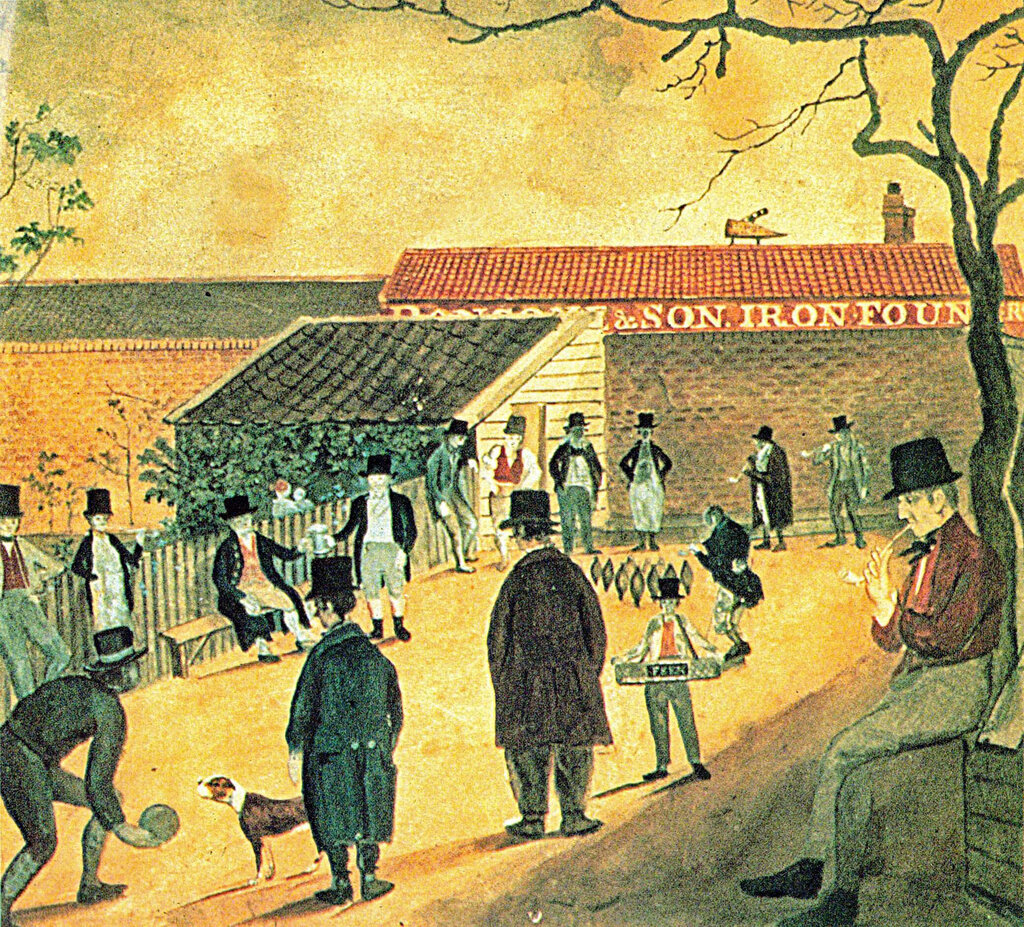
The game we know today as ten-pin bowling was standardized in the United States. In 1895, the American Bowling Congress was formed in New York City to establish uniform rules and equipment specifications. This helped transform bowling from a regional curiosity into a nationally organized sport.
The Tools of the Trade
Bowling uses simple, specialized equipment. The goal is to roll a bowling ball down a lane to knock over a set of ten pins.
The Ball: Bowling balls vary in weight, typically from 6 to 16 pounds. They have three finger holes for grip. The right ball for you should feel comfortable to hold and swing without straining your wrist or arm.
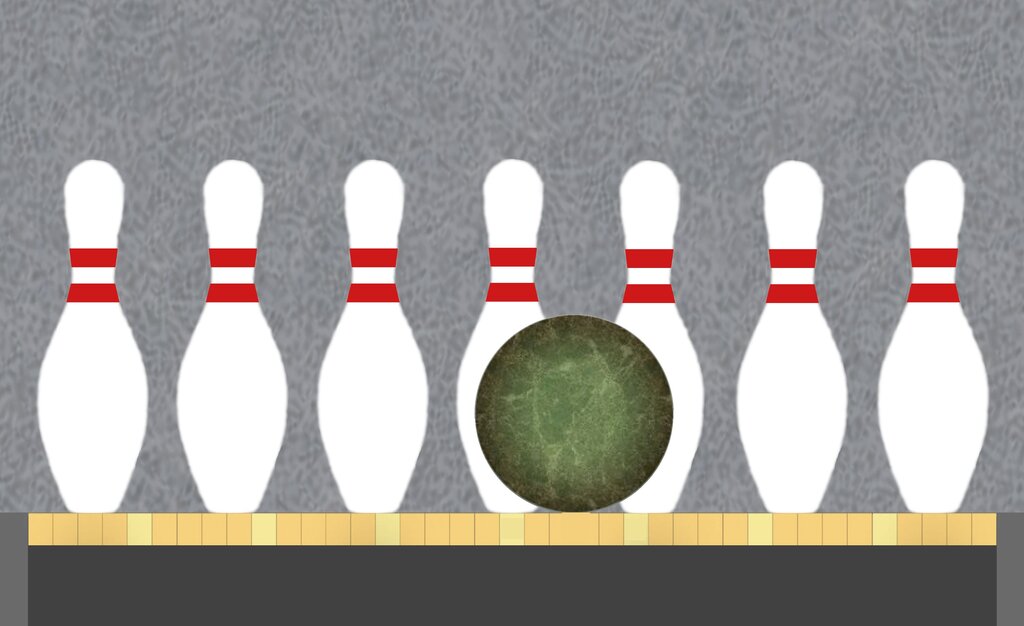
The Pins: Ten pins are arranged in a triangular formation at the end of the lane. Each pin is 15 inches tall and weighs a little over 3.5 pounds. They are traditionally made of maple wood coated in plastic.
You'll also need special shoes. Bowling shoes have a unique sole. The sole on your sliding foot (the opposite of your bowling hand) is smooth to allow you to glide during your release. The sole on your non-sliding foot has more traction for stability and braking.
The Playing Field
A bowling lane has several distinct parts. You start in the approach area, where you take your steps before releasing the ball. This area must be at least 15 feet long.
The foul line separates the approach from the lane itself. Your foot cannot cross this line during your delivery; doing so results in a foul, and you get no score for that roll.
The lane is a narrow, 60-foot-long surface made of wood or a synthetic material. It's coated with a specific pattern of oil to help the ball slide smoothly toward the pins. On either side of the lane are gutters. If your ball veers off course and falls into a gutter, it's out of play for that turn.
Finally, the pin deck is the area at the very end of the lane where the pins are set up.
What's the Goal?
The objective of bowling is straightforward: knock down as many pins as possible. A game is divided into 10 frames. In each frame, you get two chances to roll the ball and knock down all ten pins.
If you knock down all ten pins with your first ball, it’s called a strike. If you use both balls to clear the pins, it’s a spare. Your main goal is to get as many strikes and spares as you can to maximize your score.
Understanding the layout of the lane and the function of the equipment is the first step toward rolling your first strike.