Introduction to Bookkeeping
Introduction to Bookkeeping
What Is Bookkeeping?
At its core, bookkeeping is the systematic recording of a company's financial transactions. Think of it as a detailed financial diary. Every time money moves—a sale is made, a bill is paid, a loan is received—the bookkeeper records it.
Bookkeeping
noun
The activity or occupation of keeping records of the financial affairs of a business.
The main objective is to create a clear and accurate picture of a company’s financial activity. This isn't just about jotting down numbers. It's about maintaining a history that can be used to make informed decisions. These records are the raw data that tells the story of a business's health day by day.
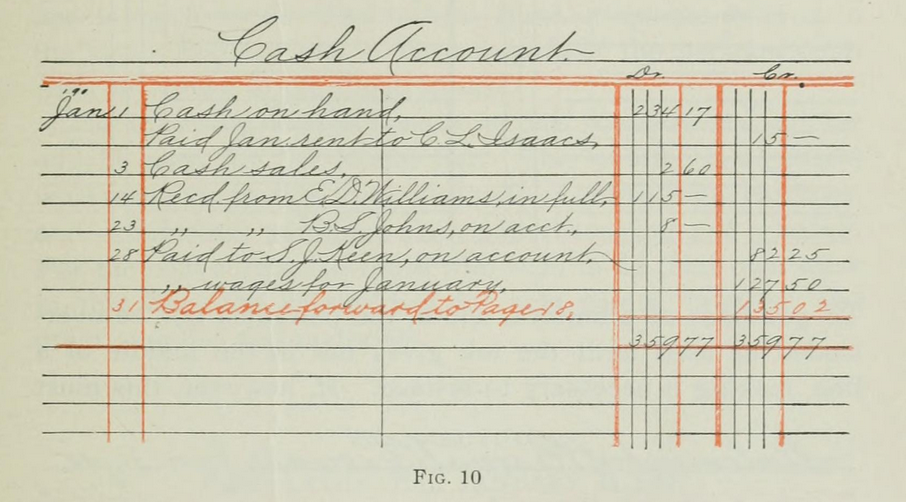
Why It Matters
Proper bookkeeping is crucial for any business, big or small. Without it, you’re flying blind. Accurate records help you create budgets, track your profitability, and prepare tax returns correctly. If you ever need to secure a loan or attract investors, they will want to see clean, well-organized books.
More than just a legal requirement, good bookkeeping is a powerful management tool. It shows you where your money is coming from and where it's going. You can spot trends, like rising supply costs or a particularly profitable service, and adjust your strategy accordingly. It’s the foundation upon which all sound financial decisions are built.
Maintaining basic records of financial transactions, reconciling bank statements, and ensuring accuracy in the books are the bedrock of financial management.
Bookkeeping vs. Accounting
People often use the terms "bookkeeping" and "accounting" interchangeably, but they are different functions. Bookkeeping is the recording phase, while accounting is the analysis phase.
A bookkeeper records the daily financial transactions. An accountant takes that data, interprets it, and turns it into meaningful financial statements and reports. Think of it this way: a bookkeeper builds the house brick by brick, while an accountant inspects the finished structure, assesses its value, and plans for future expansions.
| Feature | Bookkeeping | Accounting |
|---|---|---|
| Focus | Recording transactions | Interpreting & analyzing data |
| Timing | Daily | Monthly, quarterly, annually |
| Output | Financial records (ledgers) | Financial statements & reports |
| Goal | Accuracy of data entry | Providing financial insights |
The Rules of the Road
Because bookkeeping deals with a company's financial truth, it must be guided by strong ethical principles. Trust is paramount. These principles ensure that the financial records are reliable and can be trusted by owners, investors, and regulators alike.
Integrity: Be honest and straightforward in all professional dealings. Objectivity: Do not allow bias, conflict of interest, or undue influence to override professional judgments. Confidentiality: Respect the privacy of information acquired and do not disclose it without proper authority. Professional Competence: Maintain the knowledge and skill required to ensure that a client or employer receives competent professional service.
Adhering to these principles isn't just about following rules; it's about upholding the credibility of the entire financial reporting process.
What is the primary function of bookkeeping?
Good bookkeeping is described as a 'powerful management tool' because it helps business owners do what?
Bookkeeping is the essential first step in managing a business's finances. By accurately recording every transaction, you create the reliable foundation needed for smart analysis and decision-making.