Introduction to Bookkeeping
Introduction to Bookkeeping
What Is Bookkeeping?
Think of bookkeeping as the financial diary of a business. It's the daily practice of recording every financial transaction, from a cup of coffee bought for a client to a major sale. Every time money moves in or out, a bookkeeper makes a note of it.
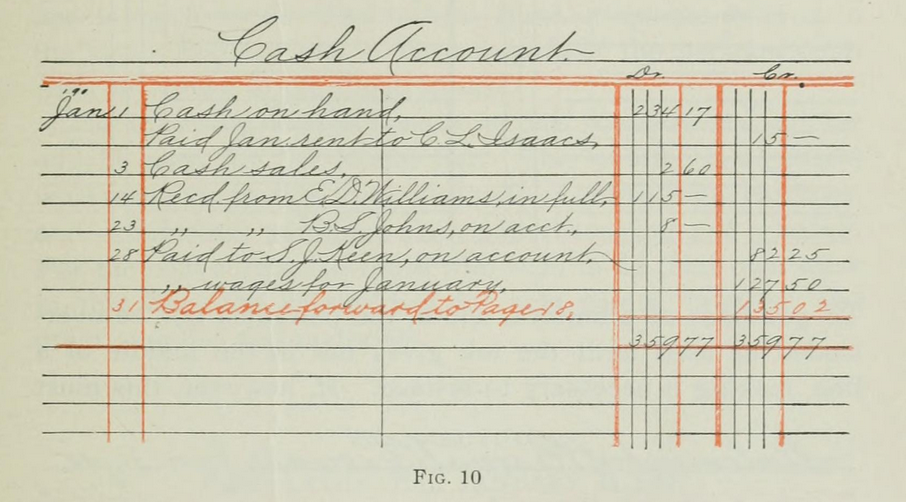
This isn't just about tidiness. Accurate bookkeeping is vital for a business's health. It provides a clear picture of where money is coming from and where it's going. Without this record, a business is flying blind. Good books help owners make smart decisions, secure loans, and comply with tax laws. They are the foundation of all financial reporting.
Bookkeeping organizes the financial data; accounting interprets that data to tell a story about the business's performance.
The Role of a Bookkeeper
A bookkeeper is the person responsible for maintaining this financial diary. Their primary job is to ensure that every transaction is recorded accurately and in the right place. They are the guardians of the company's financial records, making sure everything is up-to-date and organized.
A bookkeeper’s most important duty is to track and manage financial data.
Day-to-day, a bookkeeper's work involves several key tasks:
- Recording Transactions: Logging sales, purchases, payments, and receipts.
- Managing Invoices: Sending invoices to customers and paying bills from suppliers.
- Reconciling Accounts: Regularly checking that the business's records match its bank statements.
- Processing Payroll: Ensuring employees are paid correctly and on time.
The Foundation of Bookkeeping
At the heart of all bookkeeping is a simple but powerful formula known as the accounting equation. It provides the logical structure for recording all transactions and ensures the books are always in balance.
Let's break down what each part means:
- Assets: These are the resources a business owns that have value. Think cash, equipment, inventory, and buildings.
- Liabilities: This is what a business owes to others. Examples include bank loans, money owed to suppliers, and credit card balances.
- Equity: This represents the owner's stake in the company. It's the value of the assets after all liabilities have been paid.
Imagine you start a coffee cart with 💲1,000 of your own money and a 💲4,000 loan. Your assets (the cart and cash) are 💲5,000. Your liability (the loan) is 💲4,000, and your equity (your investment) is 💲1,000. The equation balances: 💲5,000 = 💲4,000 + 💲1,000.
Every single transaction affects this equation, but it always remains in balance. If the coffee cart business buys $500 worth of coffee beans with cash, its cash asset decreases by $500, but its inventory asset increases by $500. The total assets remain the same, and the equation stays balanced.
The accounting equation — assets = liabilities + equity — serves as the foundation for double-entry bookkeeping.
Understanding this core principle is the first step in mastering bookkeeping. It ensures that for every financial action, there is an equal and opposite reaction recorded, keeping the company's financial picture complete and accurate.