Introduction to Bone Anatomy
Bone Types
The Shape of Support
Your skeleton isn't just a random assortment of 206 bones. Each one is shaped for a specific job. By looking at a bone's shape, we can understand its function without even knowing its name. Anatomists group bones into five main categories based on their form.
Long Bones
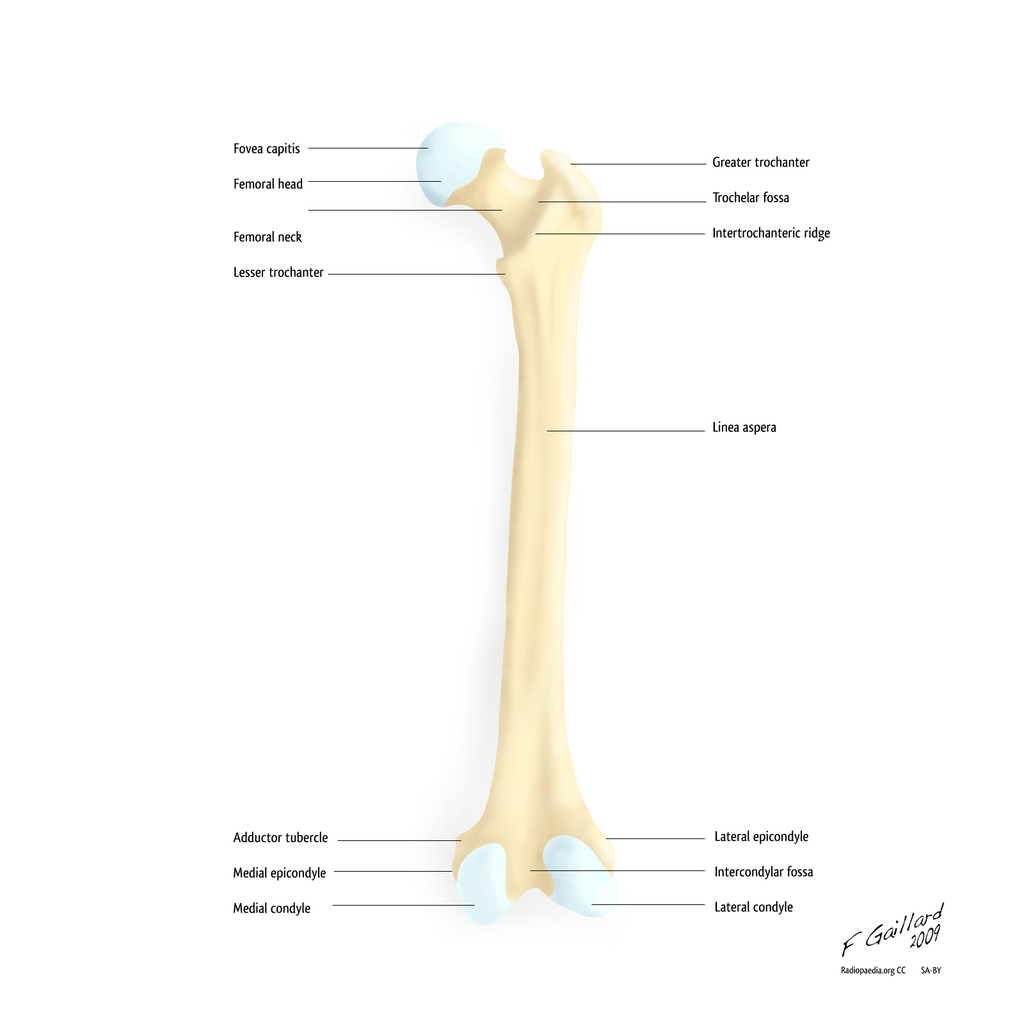
Long bones are exactly what they sound like: they are longer than they are wide. They consist of a long shaft with two distinct ends. These bones act as levers, moving when muscles contract. They are crucial for movement and supporting the body's weight.
Think of the major bones in your arms and legs. The femur (thigh bone), humerus (upper arm bone), and even the smaller bones in your fingers (phalanges) are all long bones.
Short and Flat Bones
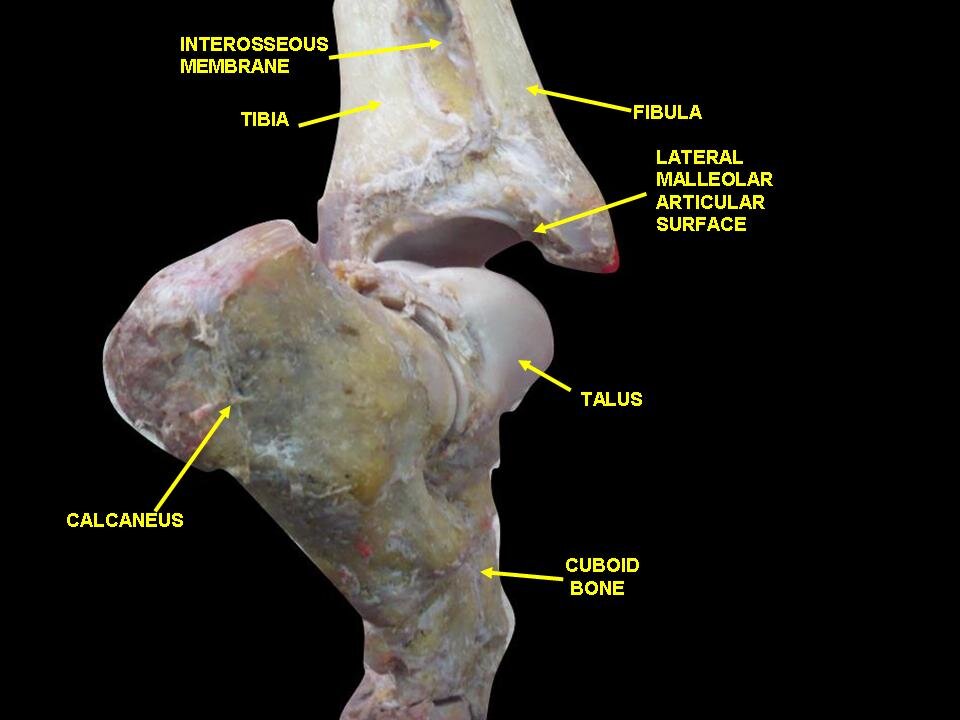
Short bones are roughly cube-shaped, with their length, width, and height being about equal. You can find them in your wrists (carpals) and ankles (tarsals). Their main job is to provide stability and support, as well as some limited motion. They work together in groups, allowing for complex movements.
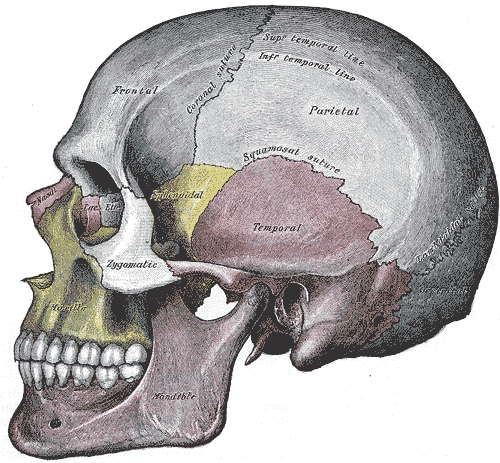
Flat bones are thin, flattened, and often a bit curved. They serve as protective shields for your vital organs and provide broad surfaces for muscles to attach to. Examples include the sternum (breastbone), ribs, scapulae (shoulder blades), and most of the bones in the skull.
Irregular and Sesamoid Bones
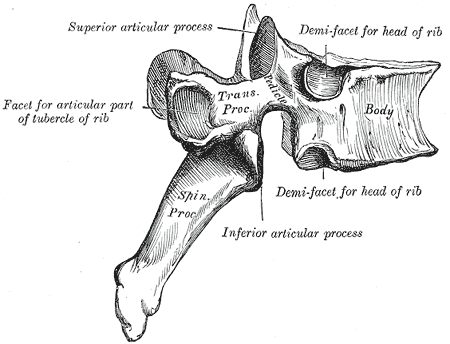
Some bones just don't fit into the other categories. Irregular bones have complex shapes that don't conform to the long, short, or flat classifications. Their unique forms are suited for their specific functions.
The vertebrae, which protect your spinal cord and allow for a range of movements, are a perfect example. The bones of the pelvis are another, providing support and protecting organs in the pelvic cavity.
Finally, we have sesamoid bones. These are small, independent bones that are embedded within a tendon where it passes over a joint. Their name comes from their resemblance to a sesame seed. Sesamoid bones protect tendons from stress and wear and improve the mechanics of a joint.
The most well-known sesamoid bone is the patella, or kneecap. Most other sesamoid bones are small and found in the tendons of the hands and feet.
Sesamoid
adjective
A bone embedded within a tendon or a muscle. It acts like a pulley, providing a smooth surface for the tendon to slide over, increasing the muscle's mechanical advantage.
| Bone Type | Shape | Primary Function(s) | Example |
|---|---|---|---|
| Long | Longer than it is wide | Leverage, movement, weight support | Humerus, Femur |
| Short | Cube-shaped | Stability, limited motion | Carpals, Tarsals |
| Flat | Thin and curved | Protection, muscle attachment | Sternum, Skull bones |
| Irregular | Complex, varied shape | Protection, support | Vertebrae, Pelvis |
| Sesamoid | Small, embedded in tendon | Protect tendons, improve joint mechanics | Patella (kneecap) |
Ready to check your understanding? Let's see if you can classify some bones.
What is the primary function of long bones?
The sternum (breastbone), ribs, and scapulae (shoulder blades) are all examples of which type of bone?
Understanding these categories helps make sense of the skeleton's complex architecture. Each shape is a clue to the bone's role in the body's structure and movement.