Introduction to Bonds
Introduction to Bonds
A Loan in Disguise
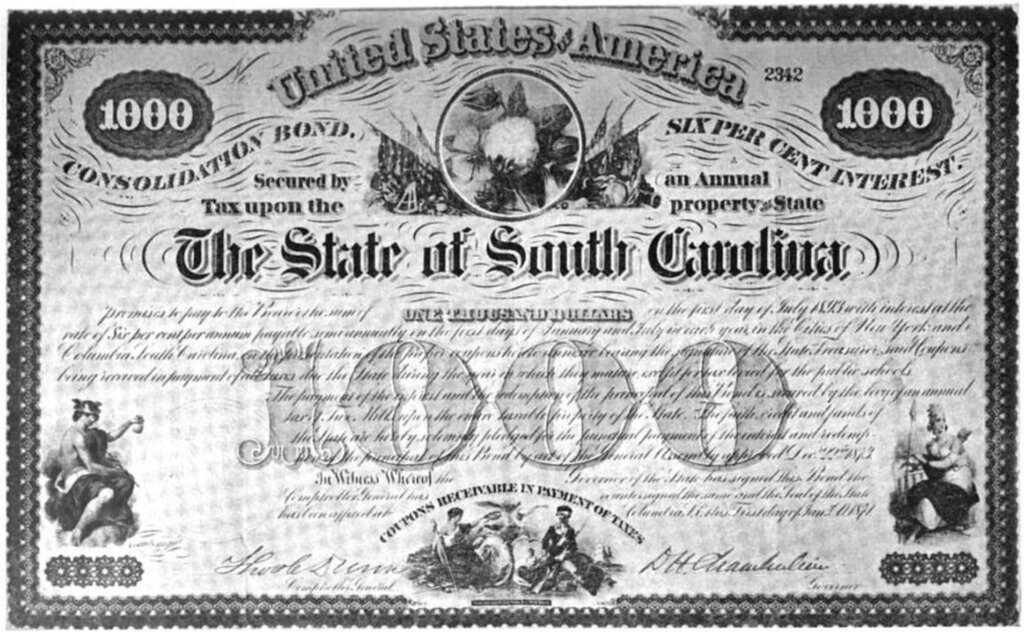
At its core, a bond is just a loan. Think of it like an IOU, but on a much larger scale. When a government or a large company needs to raise money for a big project—like building a bridge, developing a new product, or funding its operations—it can't just walk into a bank and ask for a billion dollars.
Instead, it can issue bonds. By doing this, it's essentially breaking up that massive loan into smaller, manageable pieces and borrowing from the public. Each bond is one of those pieces.
A bond is a fixed-income security representing a loan made by an investor to a borrower, usually a corporation or government entity.
The entity borrowing the money is called the issuer. This could be a national government, a city, or a company like Apple or Toyota.
The person or institution lending the money by buying the bond is the investor, or bondholder. This could be an individual, a pension fund, a bank, or an insurance company.
The Life of a Bond
Every bond has a few key features that define the terms of the loan. Understanding these parts is key to understanding how a bond works. It's a simple agreement with a clear timeline for repayment.
Let's break down the main components:
Principal
noun
Also known as face value or par value, this is the amount of the loan that the issuer promises to repay the bondholder when the bond 'matures,' or comes due.
Coupon
noun
This is the interest rate the issuer agrees to pay the bondholder. These payments are typically made at regular intervals, like every six months, for the life of the bond.
Maturity
noun
This is the date when the bond's term ends and the issuer must repay the principal to the bondholder. Bond terms can range from a few months to 30 years or more.
So, the investor gives the issuer the principal amount upfront. In return, the issuer makes regular coupon payments over a set period. When the bond reaches its maturity date, the issuer returns the original principal to the investor, and the deal is complete.
A Market for Debt
Bonds aren't just issued and then held until maturity. They are bought and sold every day in a vast, global marketplace known as the bond market (or credit market). This market is enormous—even larger than the stock market.
Its size and activity are crucial for the global economy. It's the primary way governments fund public services and infrastructure projects. For corporations, it's a vital source of capital for research, development, and expansion. The interest rates set in the bond market also influence other lending rates across the economy, from car loans to mortgages.
By allowing debt to be traded, the bond market provides a way for investors to manage their risk and for issuers to access a deep pool of capital from around the world. It connects those with money to lend with those who need to borrow, fueling economic activity on a massive scale.
At its most basic level, what is a bond?
In a bond agreement, the entity borrowing the money is called the ______, and the person lending the money is the ______.
That's the basic idea behind a bond: a simple loan that powers governments and businesses, all traded in a market that shapes our financial world.