Introduction to Biomedical Engineering
Introduction to Biomedical Engineering
Engineering Meets Medicine
Biomedical engineering is where the problem-solving power of engineering meets the life-saving world of medicine. It’s a field dedicated to improving human health by applying engineering principles and design concepts to biology and medicine. At its core, it's about creating solutions for healthcare, from diagnosis to treatment.
Biomedical Engineering
noun
A specialized discipline of engineering that deals with the application of engineering principles and design concepts to medicine and biology for healthcare purposes.
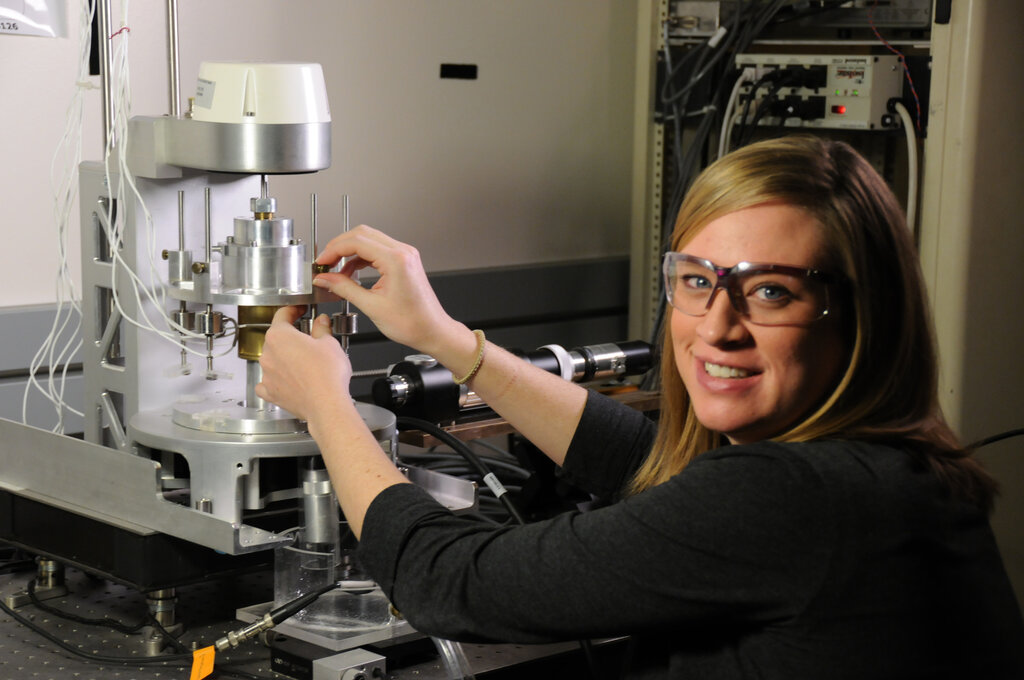
Think of the tools a doctor uses every day: an MRI machine, a pacemaker, a prosthetic limb. A biomedical engineer was involved in the creation of each one. They work in hospitals, research labs, and manufacturing facilities, collaborating with doctors, scientists, and therapists to tackle complex medical challenges.
From Simple Tools to a New Field
While the formal discipline is relatively new, the idea of applying technology to medicine is ancient. Early examples include simple devices like crutches and wooden prosthetic limbs. During the 19th and early 20th centuries, breakthroughs in electricity and mechanics led to inventions like the electrocardiograph (ECG) for monitoring the heart.
After World War II, engineering disciplines began to grow rapidly. The development of transistors and computers opened up new possibilities for medical technology. It wasn't until the 1950s and 60s that biomedical engineering began to emerge as its own distinct field, with formal university programs and professional societies established to support this growing area of study.
The Core Disciplines
Biomedical engineering is a broad field with several specialized areas. Each focuses on a different aspect of the intersection between technology and the human body.
| Sub-discipline | Focus Area |
|---|---|
| Bioinstrumentation | Designing devices to measure and record biological signals, like ECGs and blood pressure monitors. |
| Biomaterials | Developing natural or synthetic materials for use in the body, such as for implants or stitches. |
| Biomechanics | Applying principles of mechanics to understand biological systems, like the forces on bones and joints. |
| Medical Imaging | Creating systems and techniques to visualize the inside of the body, including MRI, CT scans, and X-rays. |
| Tissue Engineering | Building biological substitutes to restore, maintain, or improve tissue function, such as growing skin in a lab. |
A biomedical engineer's job is to solve problems. They follow a structured process to identify a clinical need, brainstorm potential solutions, and then design, build, and test a device or technique until it's safe and effective for patients. This process is iterative, involving constant refinement and improvement based on testing and feedback.
Transforming Healthcare
The impact of biomedical engineering is immense. It has revolutionized patient care by enabling earlier and more accurate diagnoses through advanced imaging and sensors. It has created new therapeutic options, from drug-delivery systems to artificial organs, that have extended and improved millions of lives.
This field is constantly evolving. As our understanding of biology deepens and technology advances, biomedical engineers will continue to be at the forefront of medical innovation, developing the tools and techniques that will define the future of healthcare.
Now, let's test your understanding of the fundamentals of biomedical engineering.
What is the primary goal of biomedical engineering?
During which period did biomedical engineering begin to emerge as a formal, distinct academic field with university programs?
Biomedical engineering is a dynamic and essential field that bridges the gap between technology and human health, driving medical progress and improving lives.