Introduction to Bioinformatics
Introduction to Bioinformatics
Making Sense of Biological Data
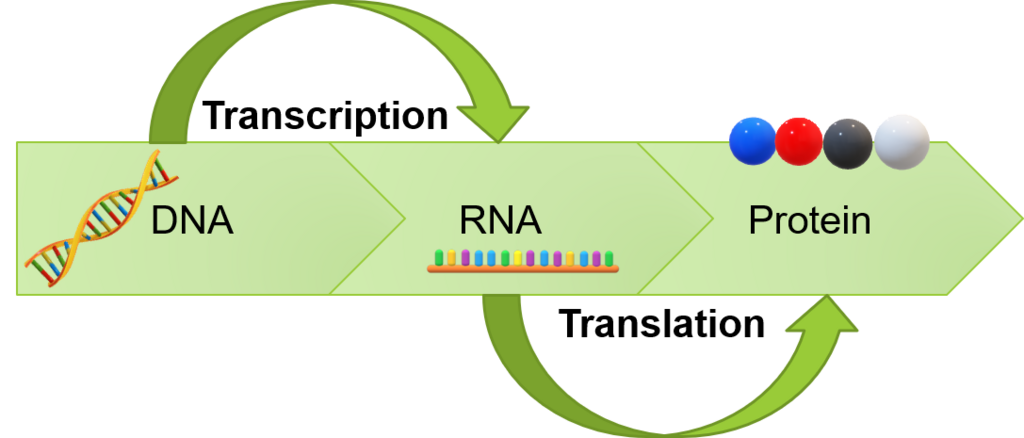
Biology has a data problem. Modern science can generate enormous amounts of information about DNA, RNA, and proteins—the fundamental building blocks of life. Think of the entire genetic code of an organism as a massive library of books. Reading every single letter is one challenge, but understanding what the words, sentences, and chapters mean is another entirely.
This is where bioinformatics comes in. It's an interdisciplinary field that combines biology with computer science, mathematics, and statistics. Essentially, bioinformatics develops the methods and software tools needed to store, retrieve, organize, and analyze biological data. It turns raw, complex information into understandable knowledge.
From Print to Petabytes
Bioinformatics as a field grew out of necessity. In the 1980s, the amount of sequence data being generated began to overwhelm traditional, paper-based methods of analysis. The first major protein sequence database was created by Margaret Dayhoff, who painstakingly collected data and managed it with computers.
The real explosion came with the Human Genome Project. Completed in 2003, this massive international effort mapped the entire human genetic code. It produced so much data that it would have been impossible to analyze without powerful computational tools. This project helped cement bioinformatics as an essential part of modern biology.
Today, the amount of biological data generated doubles every few months. This information is crucial for everything from developing new medicines and understanding diseases to tracing evolutionary history and improving crop yields.
The Core Components
Bioinformatics can be broken down into a few key areas. While they overlap, they each address different types of biological questions.
- Biological Databases: These are the digital libraries of biology. They are vast, organized collections of data from scientific literature and experiments. Databases like GenBank (for DNA sequences) and UniProt (for protein sequences) are essential resources for researchers worldwide. They ensure data is stored in a standardized way and is accessible to anyone.
- Sequence Analysis: This is the work of deciphering the information held within DNA, RNA, and protein sequences. It involves comparing sequences to find similarities, which might suggest a shared evolutionary origin or function. It also includes identifying genes, predicting their functions, and finding variations that might be linked to disease.
- Structural Bioinformatics: The function of a molecule, especially a protein, is often determined by its three-dimensional shape. Structural bioinformatics focuses on predicting, analyzing, and visualizing the 3D structures of biological molecules. Understanding a protein's structure can reveal how it works and help in designing drugs that can interact with it.
These three pillars work together. Data stored in databases is pulled for sequence analysis, and the results of that analysis can inform the creation of 3D models in structural bioinformatics. This integrated approach allows scientists to tackle complex biological problems from multiple angles.
Now, let's test your understanding of these core concepts.
What is the primary purpose of bioinformatics?
The Human Genome Project was a major catalyst for the growth of bioinformatics because it generated an enormous amount of data that required computational analysis.
By building tools to manage and analyze biological information, bioinformatics accelerates discovery and deepens our understanding of life itself.