Introduction to Bioengineering
Introduction to Bioengineering
Biology Meets the Blueprint
Bioengineering is where life science meets the problem-solving mindset of engineering. It's a field that applies engineering principles to biological and medical challenges. The goal is to develop new technologies and solutions that can improve human health, from creating artificial organs to designing smarter drug delivery systems.
At its core, bioengineering is about understanding living systems and using that knowledge to build things that help us.
This field is incredibly broad because it draws from so many different areas. A bioengineer might need to understand genetics, mechanics, computer science, and materials science all for a single project. This interdisciplinary nature is what makes it so innovative.
From Ancient Ideas to Modern Labs
While the term "bioengineering" is relatively new, the concept isn't. Ancient Egyptians created simple prosthetic devices, like a wooden toe found on a mummy. These were early attempts to engineer solutions for biological problems. In the 19th century, scientists began to understand the electrical nature of nerves and muscles, laying the groundwork for devices like the EKG, which measures the heart's electrical activity.
The field truly took off in the 20th century. The invention of the electron microscope allowed us to see biological structures in incredible detail. Discoveries in molecular biology, like the structure of DNA, opened up new possibilities for manipulating life at its most fundamental level. These breakthroughs transformed bioengineering from a collection of clever inventions into a formal, powerful scientific discipline.
The Major Fields
Bioengineering is a big umbrella covering several specialized areas. Each focuses on a different aspect of the intersection between biology and engineering.
| Subfield | Focus | Example |
|---|---|---|
| Biomechanics | The study of the mechanical forces and movements in biological systems. | Designing a more comfortable and efficient prosthetic leg. |
| Biomaterials | Creating materials that are compatible with living tissues. | Developing a new type of contact lens that allows more oxygen to reach the eye. |
| Tissue Engineering | Building or regenerating human cells, tissues, or organs. | Growing new skin in a lab for burn victims. |
| Synthetic Biology | Designing and constructing new biological parts, devices, and systems. | Engineering bacteria to produce biofuels or medicines. |
These subfields often overlap. For example, creating a functional artificial organ (tissue engineering) requires advanced biomaterials and a deep understanding of the biomechanics of the original organ.
Real-World Impact
The applications of bioengineering are all around us, often in life-saving ways. Medical devices like pacemakers, insulin pumps, and MRI machines are all products of bioengineering. These technologies allow us to monitor, diagnose, and treat conditions that were once untreatable.
Another major area is drug delivery. Instead of a pill that affects the whole body, bioengineers design systems that deliver medication directly to the target area, like cancer cells. This can make treatments more effective and reduce side effects.
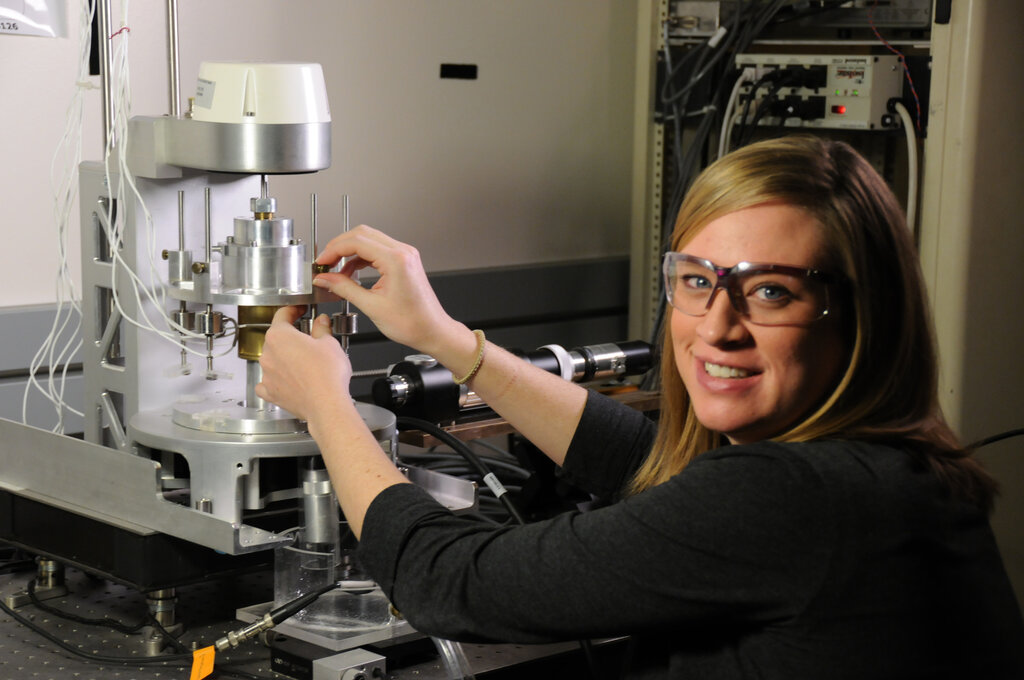
Perhaps the most ambitious frontier is regenerative medicine. Using principles from tissue engineering, scientists are working to grow replacement organs, repair damaged spinal cords, and reverse the effects of diseases like diabetes. This work has the potential to fundamentally change how we treat a wide range of medical conditions.
Contemporary bioengineering also encompasses emergent domains including biomaterials, biointerfaces, and biocomputing.
Now, let's test your understanding of these core concepts.
Bioengineering is best described as the application of engineering principles to what type of challenges?
True or False: The concepts behind bioengineering are a modern invention, with no historical examples before the 20th century.
Bioengineering combines different fields to tackle complex problems, pushing the boundaries of what's possible in medicine and beyond.