Introduction to BioDesign
Introduction to Biodesign
What is Biodesign?
Biodesign is a field where biology, design, and engineering meet. Instead of manufacturing things from synthetic materials like plastic or metal, biodesigners look to nature for solutions. They ask: How does nature solve this problem? Can we use a living system to create what we need?
Bioinspiration (sometimes spelled bio-inspiration) is the overall term used when designers, inventors and developers turn to biology and nature in the hopes of observing patterns, forms, features and mechanisms that help in solving problems.
Think of it like this: traditional manufacturing is about taking raw materials and forcing them into a shape. Biodesign is more like gardening. You provide the right conditions for something to grow into the form you want. It’s about collaborating with living organisms, from microbes to mushrooms, to create everything from clothing to building materials.
Core Principles
Biodesign is guided by a few key ideas that set it apart from other design fields. The most important is sustainability. Nature doesn't create waste; everything is recycled and reused in a continuous loop. Biodesign aims to mimic this by creating products that are biodegradable, regenerative, or part of a circular economy.
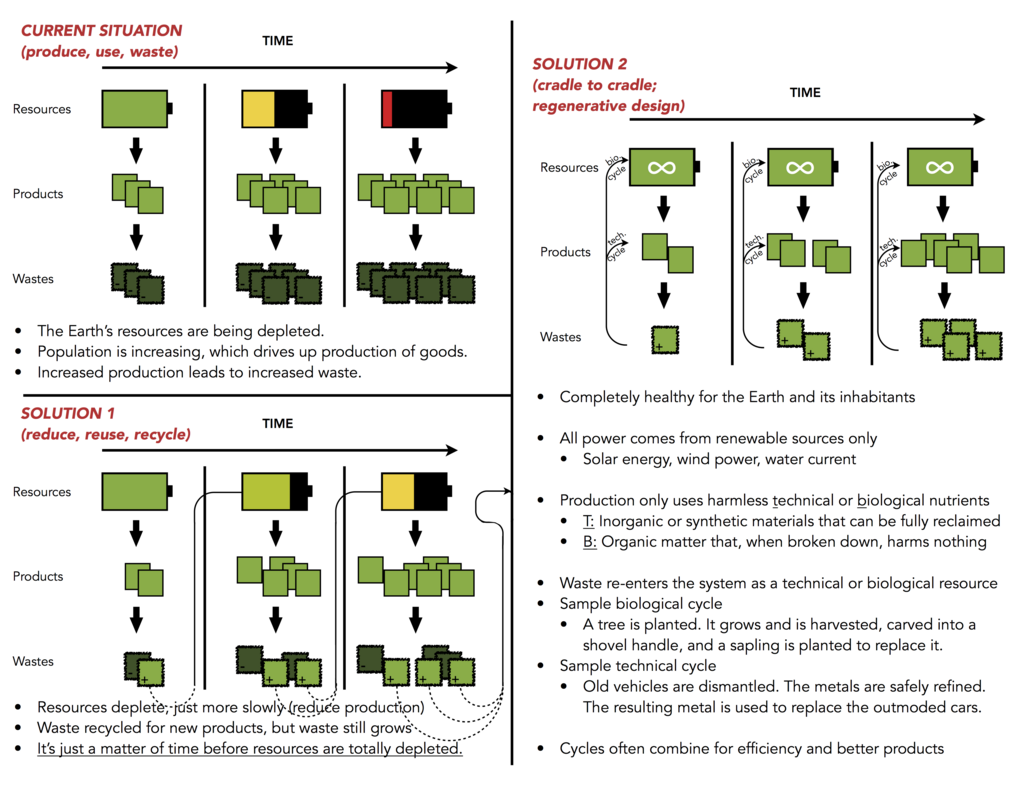
Another core principle is systems thinking. In nature, nothing exists in isolation. A tree is part of a forest, which is part of a larger ecosystem. Biodesign applies this perspective, considering how a product interacts with its environment throughout its entire lifecycle. It's about designing not just an object, but its role within a larger system.
Finally, a defining feature is the integration of living materials. This isn't just about copying nature's shapes; it's about using life itself as a technology. Designers might use bacteria to dye fabric, algae to create biofuels, or mycelium (the root structure of mushrooms) to grow packaging that replaces styrofoam. These living materials are the building blocks of biodesign.
Why It Matters
Biodesign offers a powerful way to address some of the world's biggest challenges. Our current models of production often pollute our planet and deplete its resources. By working with biology, we can create smarter, more sustainable alternatives.
Imagine clothes that grow themselves and decompose in your garden when you're done with them. Or buildings with living walls that purify the air. These aren't science fiction; they are the kinds of solutions biodesigners are working on today. It represents a shift from an industrial mindset to an ecological one.
By learning from nature's 3.8 billion years of research and development, we can design solutions that are not just efficient, but also regenerative and life-affirming.
Now that you have a foundational understanding of what biodesign is, let's test your knowledge.
Which statement best describes the fundamental approach of biodesign?
The principle of 'systems thinking' in biodesign means considering a product's...