Introduction to Beekeeping
Bee Biology
Bee Anatomy 101
At a glance, a honey bee's body seems simple, but it's a marvel of specialized parts. Like all insects, it's divided into three main sections: the head, the thorax, and the abdomen. Each section has a distinct job.
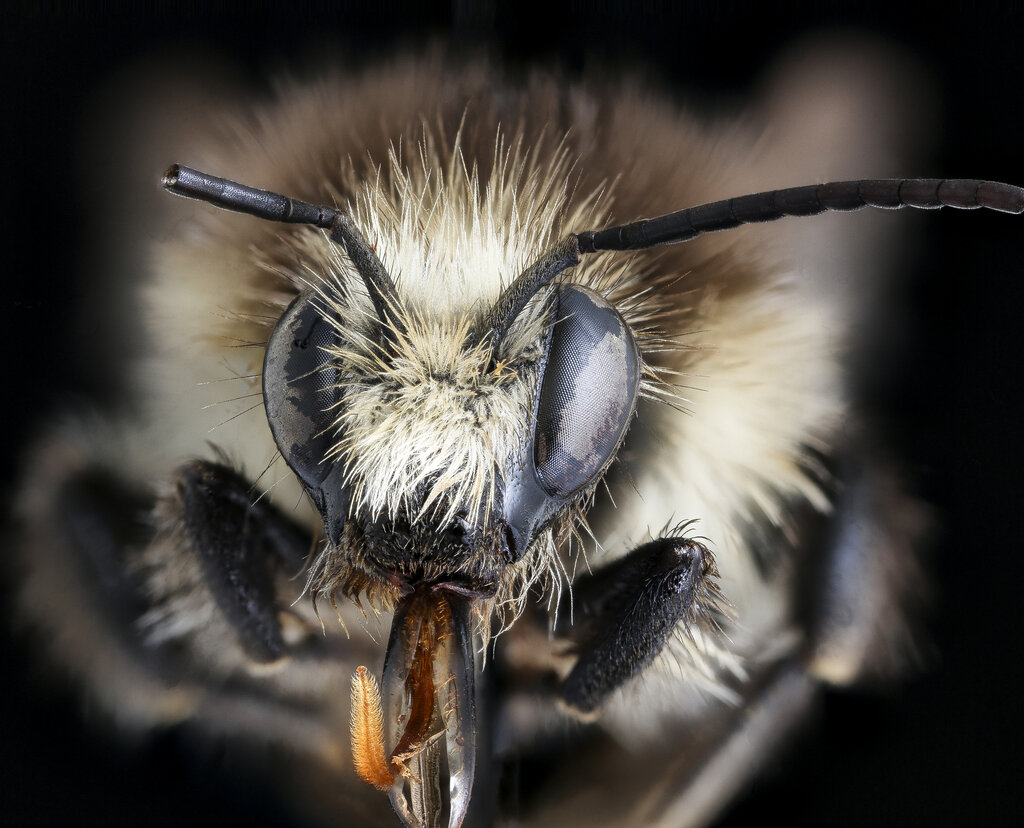
The head is the bee's command center. It holds the brain, two large compound eyes for seeing patterns and colors, and three simple eyes (ocelli) for detecting light. A pair of antennae sense touch, vibration, and smell, which is crucial for finding flowers and communicating. The bee's mouthpart, called a proboscis, works like a straw to drink nectar.
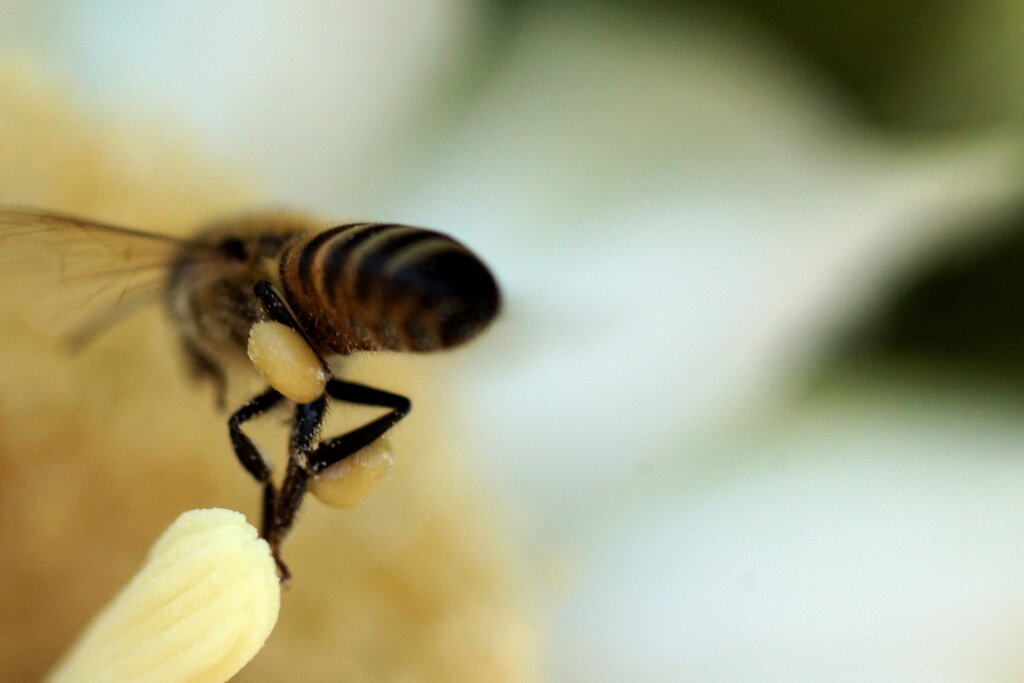
The thorax is the engine room. This middle section is where the bee's two pairs of wings and three pairs of legs are attached. The wings can beat over 200 times per second, allowing the bee to hover and fly. The legs are for walking, but they also serve other purposes. Tiny claws help them grip surfaces, and the hind legs of worker bees have special stiff hairs that form a "pollen basket," or corbicula, for carrying pollen back to the hive.
Finally, the abdomen contains the bee's digestive and reproductive organs. It also houses the wax glands, which produce the beeswax used to build the honeycomb. For worker bees and the queen, the abdomen also contains the stinger—a modified ovipositor (egg-laying device). Since worker bees aren't reproductive, their ovipositor evolved into a barbed defense weapon.
The Three Castes
A honey bee colony isn't a random collection of individuals. It's a highly structured society with three distinct types, or castes, of bees. Each caste has a specific job and physical form suited to its role.
| Caste | Sex | Primary Role | Average Lifespan |
|---|---|---|---|
| Queen | Female | Egg-laying | 2-5 years |
| Worker | Female | Hive maintenance, foraging | 6 weeks (summer) |
| Drone | Male | Mating | 1-3 months |
The Queen There is only one queen in a healthy colony. She is the mother of all other bees in the hive. Her sole purpose is to lay eggs—up to 2,000 per day during peak season. She is the largest bee in the colony, with a long, slender abdomen.
A queen develops from a fertilized egg, the same as a worker. But she's fed a special diet of royal jelly throughout her larval stage. This protein-rich food is what allows her to develop into a fertile queen. After emerging, she'll leave the hive for one or more mating flights, storing enough sperm to last her entire life. She then returns to the hive and begins her life's work of laying eggs.
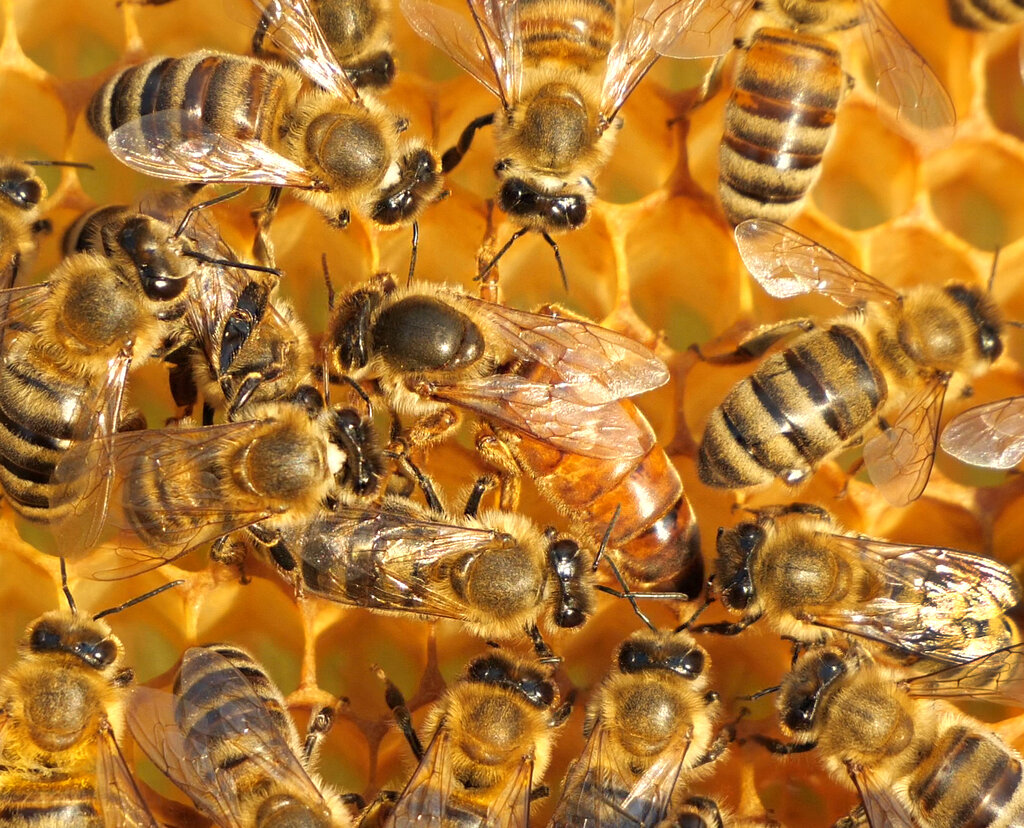
The Worker Worker bees are sterile females and are the lifeblood of the colony, making up over 95% of its population. They perform every task needed to keep the hive running, and their jobs change as they age.
Young workers start with in-hive duties like cleaning cells, feeding larvae (as nurse bees), building comb with wax, and guarding the entrance. As they get older, they graduate to foraging outside the hive, where they collect nectar, pollen, water, and propolis (a plant resin used to seal cracks). This division of labor ensures all the colony's needs are met efficiently.
The Drone Drones are the male bees of the colony. They develop from unfertilized eggs in a process called parthenogenesis. Drones are larger and bulkier than workers, with enormous compound eyes that meet at the top of their head. These eyes are essential for spotting a queen in flight.
Their only function is to mate with a virgin queen from another colony, spreading the hive's genetics. They do no work in the hive—they can't even feed themselves and must be fed by workers. Drones do not have stingers. In the late fall, as resources become scarce, workers will expel the drones from the hive to conserve food for the winter.
The Colony as Superorganism
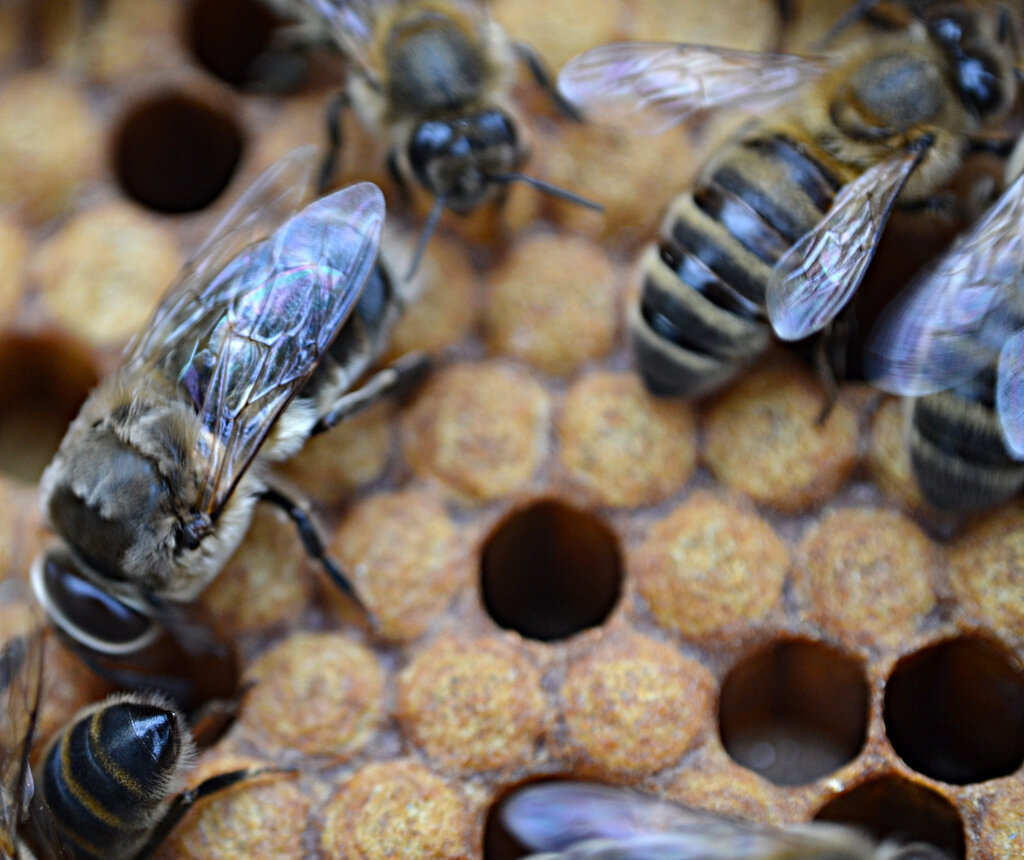
A honey bee colony functions as a single, unified entity, often called a superorganism. No single bee can survive long on its own. The colony as a whole eats, reproduces, and defends itself. This collective behavior is coordinated through a complex system of chemical signals called pheromones.
The queen, for example, produces a special pheromone that lets the entire colony know she is present and healthy. If she dies, the absence of her scent signals the workers to begin raising a new queen.
Communication also happens through physical actions. The most famous example is the "waggle dance." When a forager finds a rich source of nectar or pollen, she returns to the hive and performs this dance on the surface of the comb. The angle and duration of the dance tell other foragers the precise direction and distance to the food source.
Through this constant communication and division of labor, the colony works together to regulate its temperature, raise young, and store enough food to survive the winter. It is a perfect example of how cooperation can create something far greater than the sum of its parts.
Ready to check your understanding of bee biology?
What is the primary function of a honey bee's thorax?
A honey bee larva develops into a queen instead of a worker because it is fed a special diet of royal jelly.
Understanding the roles and biology of each bee is the first step to becoming a knowledgeable beekeeper.