Introduction to Beekeeping
Introduction to Beekeeping
A Sweet History
Humans have had a relationship with bees for thousands of years. Early on, it was a simple, daring pursuit: finding wild hives and harvesting their honey. This practice, known as honey hunting, was often dangerous, involving climbing cliffs or tall trees to reach the bees' natural homes.
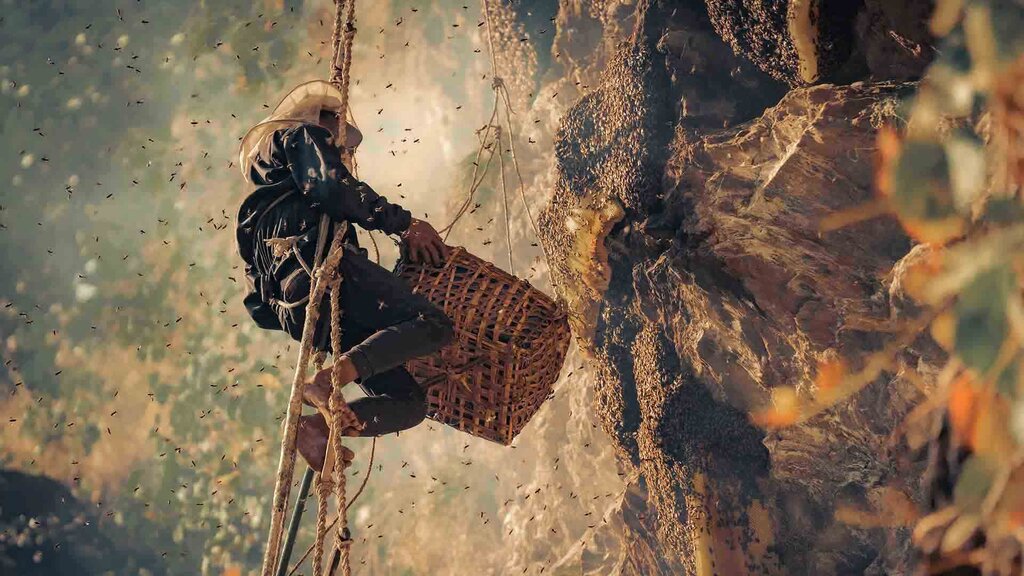
Over time, we learned to work with bees instead of just raiding their homes. The practice of keeping and managing bees in man-made hives is called apiculture. Ancient Egyptians were among the first to develop systematic beekeeping, using pottery hives to house colonies. They valued honey not just as a sweetener but also as a medicine and a sacred substance used in rituals.
apiculture
noun
The technical term for beekeeping, especially on a commercial scale.
Today, beekeeping is about more than just honey. Honey bees are critical pollinators for agriculture. They play a vital role in producing much of the food we eat, from almonds and apples to broccoli and berries. By helping plants reproduce, bees support entire ecosystems.
Inside the Hive
A honey bee colony is a marvel of cooperation, often called a superorganism because its members work together so seamlessly, it's as if they are a single being. Every bee has a specific job, and the survival of the hive depends on each one doing its part. There are three distinct types of bees in a colony.
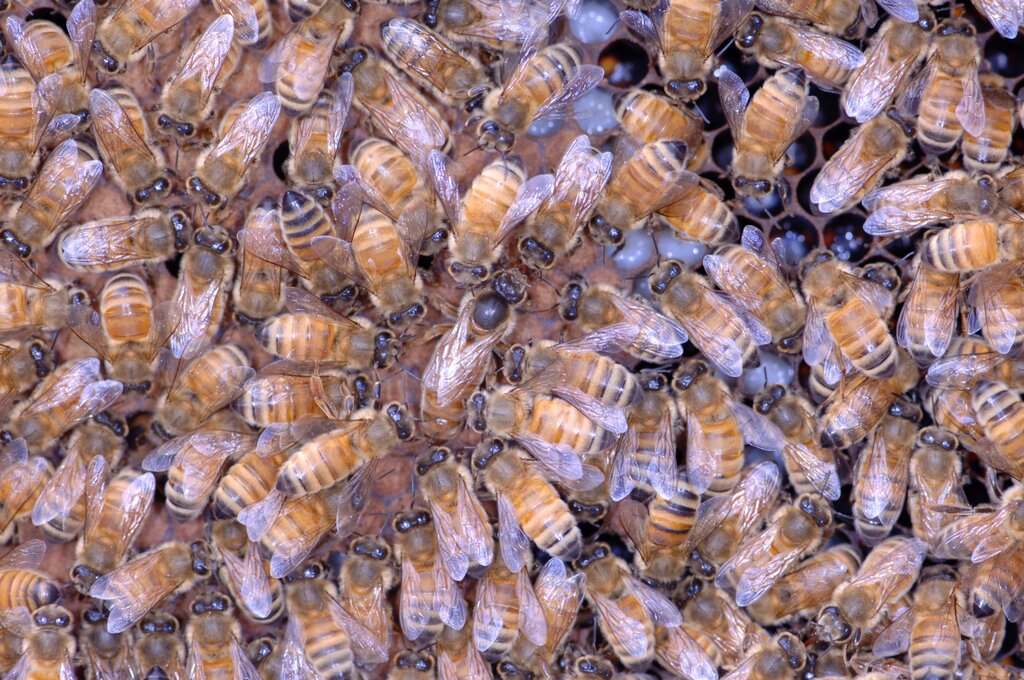
First is the queen. There is only one queen in a healthy hive, and her sole purpose is to lay eggs, sometimes up to 2,000 per day. She is the mother of every other bee in the colony. Her presence, communicated through chemical scents called pheromones, keeps the colony cohesive and productive.
The vast majority of the colony consists of worker bees. These are all sterile females, and they do everything else. Young workers start with jobs inside the hive, like cleaning cells, feeding larvae, and building wax honeycomb. As they get older, they graduate to tasks like guarding the hive entrance and, finally, foraging for nectar and pollen outside.
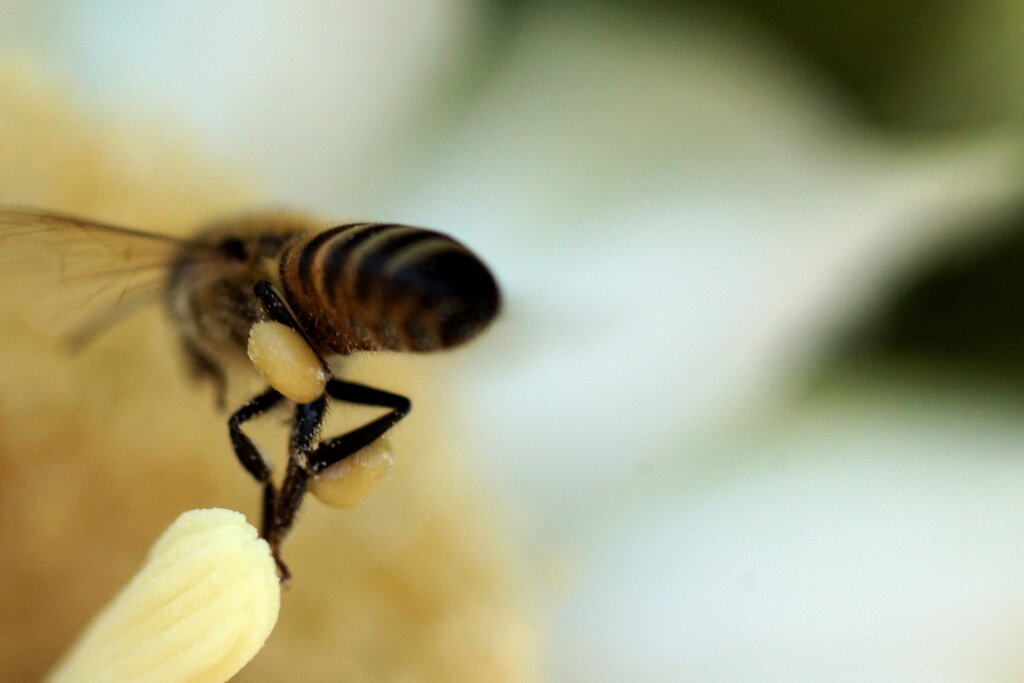
The third type is the drone. These are the male bees. They are larger than workers and have big eyes, but they have no stinger and perform no work in the hive. Their only function is to mate with a queen from another colony, spreading the hive's genes. After mating, they die. Drones that don't mate are often kicked out of the hive before winter, when resources become scarce.
Gearing Up
Getting started in beekeeping requires some specialized equipment to keep both you and the bees safe and comfortable. The right gear makes managing a hive much easier and more enjoyable.
Your most important tools are a calm demeanor and gentle movements. Bees are less likely to become defensive if you don't make them feel threatened.
First, you'll need protective clothing. This includes:
- A bee suit or jacket: This provides full-body protection. Lighter colors are best, as bees are less agitated by them.
- A veil: This protects your face and neck. It's often attached to the suit or a helmet.
- Gloves: Leather or rubber gloves protect your hands while allowing you to handle equipment.
Next are the essential hive tools. The two most critical are the smoker and the hive tool.
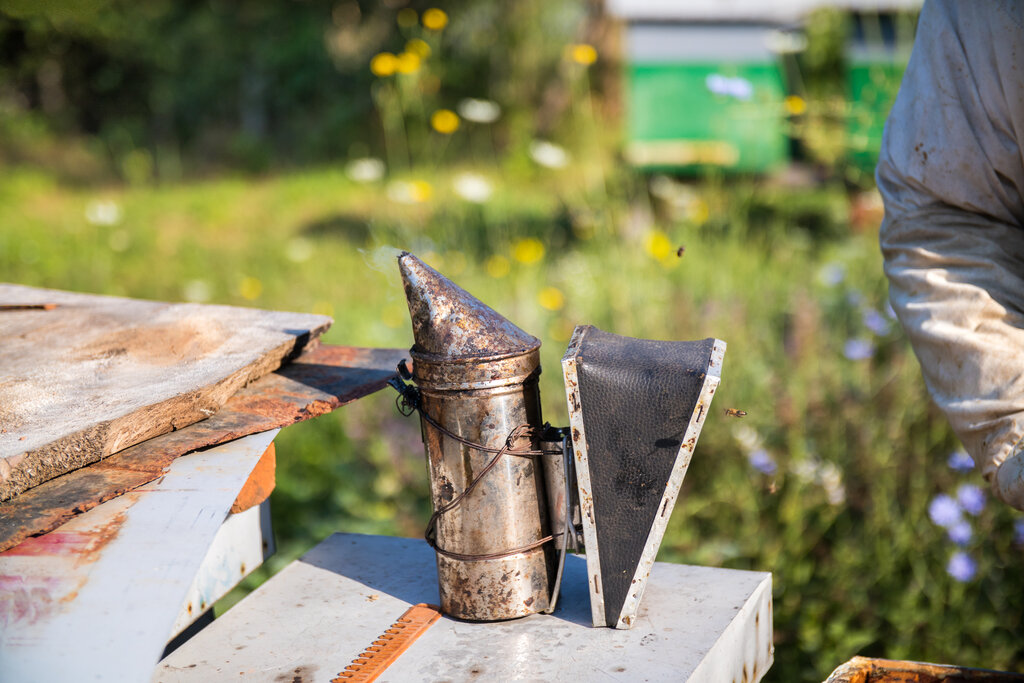
The smoker is a small metal can with a bellows that you use to puff cool, white smoke into the hive. The smoke masks the bees' alarm pheromones, which they use to communicate danger. It also encourages them to eat honey, making them more docile.
The hive tool is a simple but indispensable crowbar. You'll use it to pry open hive boxes, which bees often seal shut with a sticky substance called propolis, and to lift out the frames for inspection.
Finally, you need the hive itself. Most beginners use the Langstroth hive, a modular design with stacked boxes. Each box holds a set of frames where the bees build their honeycomb. This setup allows the beekeeper to inspect the colony and harvest honey without destroying the hive structure.
What is the term for the practice of keeping and managing bees in man-made hives?
You observe a bee inside a hive, tending to larvae and cleaning cells. Based on the text, what is this bee's most likely role?