Introduction to Basque Language
Introduction to Basque
The Mystery of Euskara
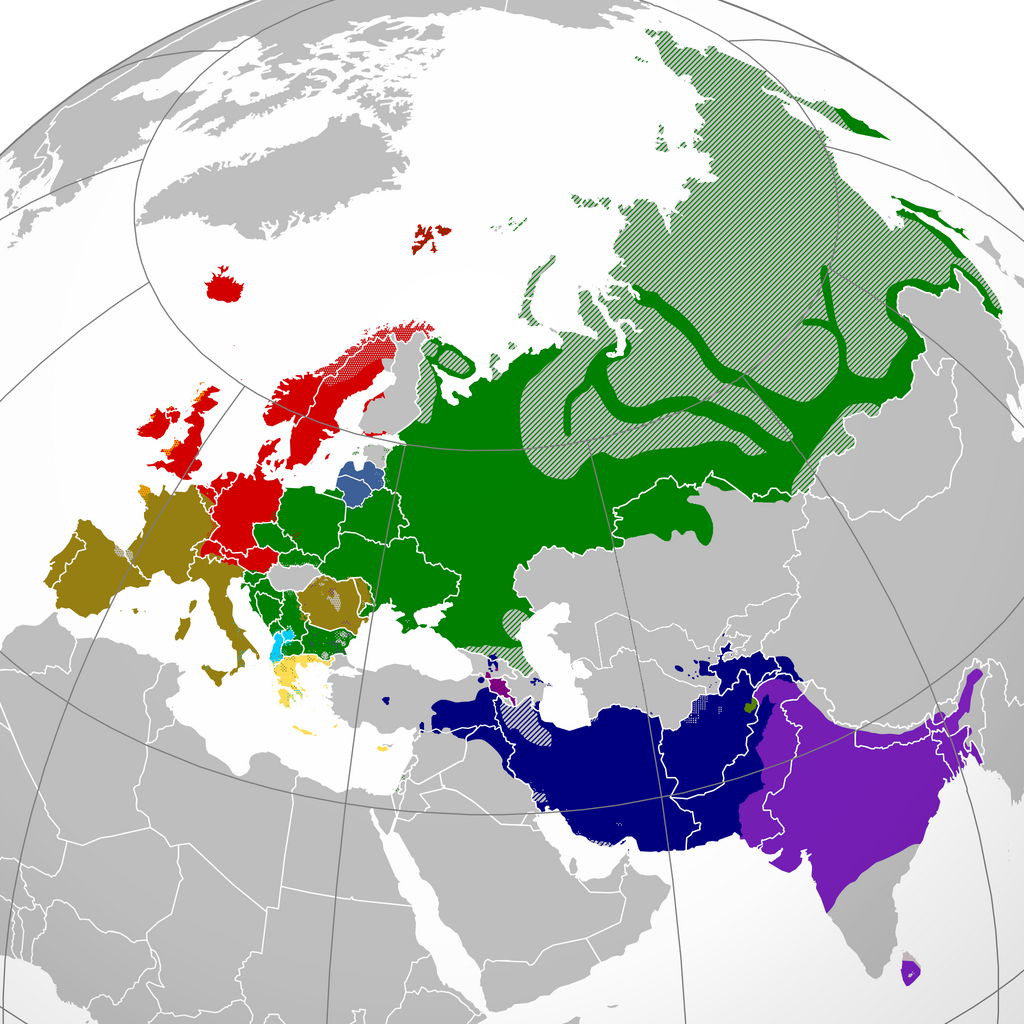
In a continent dominated by languages from the Indo-European family, one language stands alone. Basque, known to its speakers as Euskara, is a language isolate. This means it has no demonstrable relationship to any other known language, living or dead. While Spanish, French, English, and Russian share a distant common ancestor, Basque is an outlier, a linguistic survivor from a time before the Romans arrived in Europe.
Basque language
Imagine a family tree of languages. Most European languages sit on a large branch labeled 'Indo-European'. Basque is on a branch all by itself. This uniqueness has fascinated linguists for centuries, making it one of the oldest living languages in Europe.
Where Is It Spoken?
Basque is the ancestral language of the Basque people, who inhabit a region spanning the border between Spain and France. This area is known as the Basque Country, or Euskal Herria in Basque.
In Spain, it includes the Basque Autonomous Community (comprising the provinces of Araba, Bizkaia, and Gipuzkoa) and the northern part of the Chartered Community of Navarre. In France, it covers the Northern Basque Country in the western part of the Pyrénées-Atlantiques department.
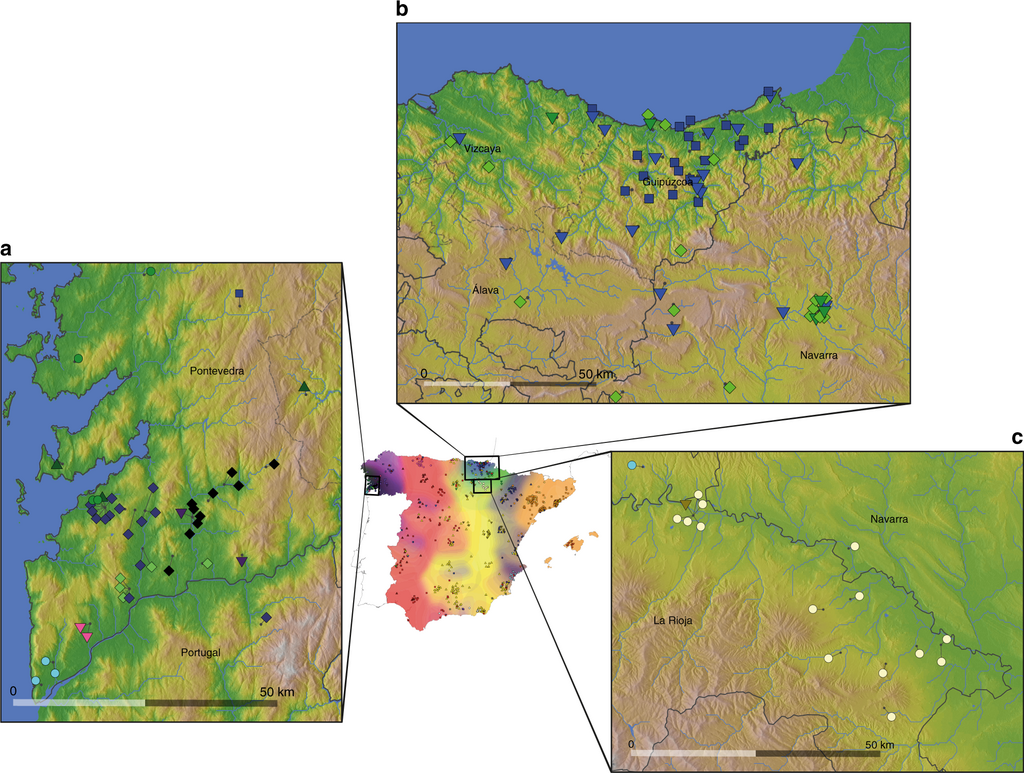
While spoken throughout this territory, the language's prevalence varies. It is strongest in the province of Gipuzkoa and in rural areas. Like many languages, Basque has several historical dialects, though a standardized version called Euskara Batua (Unified Basque) was created in the late 1960s to facilitate communication and is now used widely in education, media, and administration.
Survival and Revival
The history of Basque is a story of resilience. It survived the expansion of Latin during the Roman Empire and the subsequent spread of Romance languages. For centuries, it was primarily a spoken language, passed down through generations in homes and small communities.
However, the 20th century brought significant challenges. Under Francisco Franco's dictatorship in Spain (1939-1975), the public use of Basque was suppressed. Speaking the language was forbidden in schools, and parents were forced to give their children Spanish names. This policy severely endangered the language.
After the end of the dictatorship and the establishment of democracy in Spain, a powerful movement to revive Basque began. Today, the language enjoys co-official status in the Basque Autonomous Community and parts of Navarre. This has fueled a remarkable revitalization.
According to recent data, there are roughly 750,000 active speakers and another 400,000 passive speakers who understand it. A key part of this revival has been the creation of ikastolak—schools where the primary language of instruction is Basque. There are also Basque-language newspapers, television channels, and radio stations.
The result is a vibrant linguistic community. The number of young speakers is growing, a rare success story in a world where many minority languages are disappearing.
Now that you know a bit about its unique history and place in the world, let's test your understanding.
What does it mean that Basque is a "language isolate"?
The Basque Country, or Euskal Herria, is a region located in which two countries?
This unique language is a window into Europe's deep past and a testament to the cultural identity of the Basque people.