Introduction to Bartending
Introduction to Bartending
The First Bartenders
The practice of serving drinks for payment is ancient. Public houses in Greece and Rome offered wine and ale to travelers and locals. Throughout the Middle Ages, inns and taverns became community hubs across Europe, serving as places for lodging, meals, and social gatherings. The person behind the bar was more of a publican or innkeeper than a dedicated drink-mixer.
The bartender as we know them today—a skilled professional crafting mixed drinks—emerged in the 19th century. This period is often called the "Golden Age of Cocktails." The rise of commercially available ice and the distillation of new spirits like American whiskey created a perfect environment for experimentation.
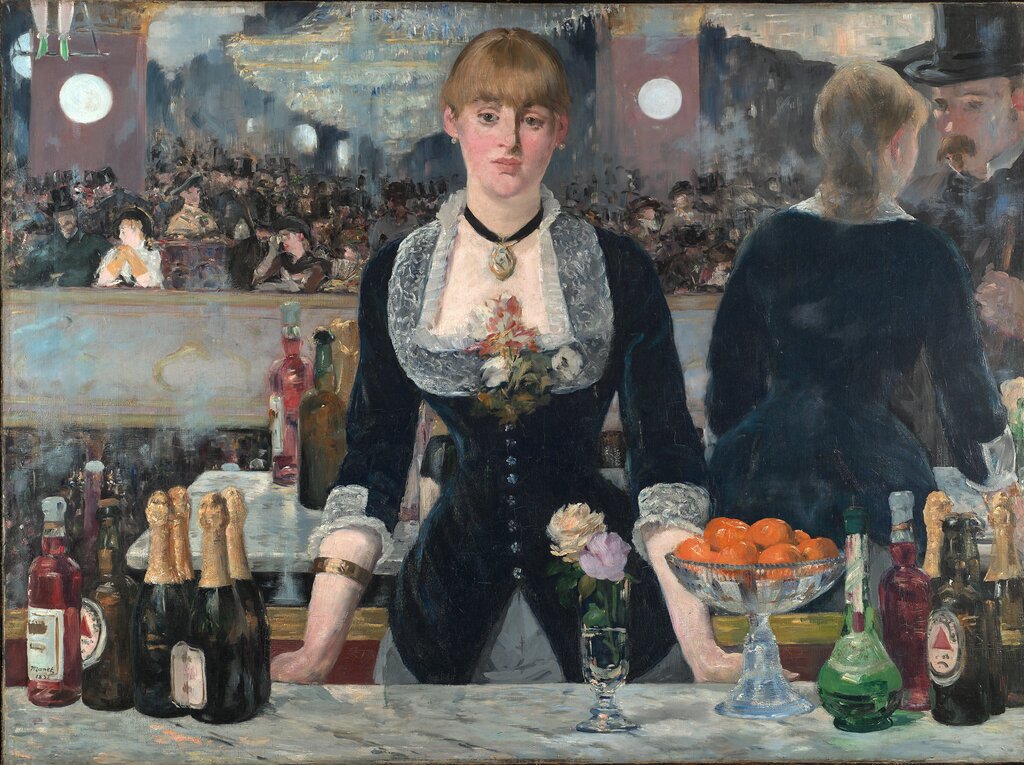
A key figure from this era was Jerry Thomas, often called the father of American mixology. He wasn't just pouring drinks; he was a showman who turned mixing into a performance. His 1862 book, How to Mix Drinks or The Bon Vivant's Companion, was the first real cocktail recipe book published in the United States. It standardized recipes and elevated bartending to a respected craft.
The early 20th century brought a major disruption: Prohibition in the United States. While it was intended to stop drinking, it drove the practice underground into secret bars called speakeasies. Many skilled bartenders left the country, taking their knowledge to Europe and Cuba, which helped spread American cocktail culture worldwide. After Prohibition ended, bartending simplified for several decades, favoring quick, easy-to-make drinks. It wasn't until the late 1980s and 90s that the craft cocktail renaissance began, reviving classic techniques and a focus on fresh, high-quality ingredients.
The Bartender's Role
A bartender’s job goes far beyond mixing drinks. They are the face of the establishment, responsible for creating a welcoming atmosphere. Their duties are a blend of technical skill, hospitality, and operational management.
Think of a bartender as the host of a party. Their primary goal is to ensure every guest feels comfortable and has a great experience, whether they're celebrating a special occasion or just unwinding after a long day.
Core responsibilities include:
- Preparation and Service: Accurately and efficiently preparing a wide range of beverages.
- Customer Interaction: Greeting guests, taking orders, and offering recommendations.
- Financial Transactions: Handling cash and credit card payments through a point-of-sale (POS) system.
- Inventory Management: Keeping track of liquor, beer, wine, and supplies to ensure the bar is well-stocked.
- Cleanliness and Safety: Maintaining a clean bar, glassware, and equipment to meet health and safety standards.
Anatomy of a Bar
A bar is a carefully designed workspace built for speed and efficiency. While layouts vary, most professional bars share a common set of components. Understanding this environment is the first step to working within it.
Here’s a breakdown of the key areas:
- The Front Bar (or Bar Top): This is the counter where customers sit and drinks are served. It's the stage for the bartender's work.
- The Back Bar: Located behind the bartender, this area is used for storage and display. It typically features shelves of premium spirits, glassware, and decor. It acts as a visual menu for customers.
- The Underbar: This is the bartender's main workstation, hidden from the customer's view. It's designed for maximum efficiency and contains several key stations.
| Station | Purpose |
|---|---|
| Speed Rail | A rack holding the most frequently poured spirits (vodka, gin, rum, tequila, whiskey). It's named for the speed at which a bartender can grab a bottle. |
| Ice Well | A large, insulated bin that holds all the ice needed for service. It's central to the station, as nearly every drink requires ice. |
| Garnish Station | A tray or set of containers holding prepared garnishes like lemon wedges, olives, and cherries. |
| Glassware Station | Storage for clean, ready-to-use glasses, often located near the ice well or sinks for easy access. |
This setup, often called a "cocktail station" or "well," is the heart of the bar. A bartender who knows their station can move smoothly and quickly, creating drinks without wasted steps. Mastering your environment is the foundation of efficient and professional bartending.
Ready to test your knowledge? Let's see what you've learned about the foundations of bartending.
Who is often called the 'father of American mixology' for publishing the first major cocktail recipe book in the United States in 1862?
The period in the 19th century, marked by the rise of commercially available ice and new spirits, is often referred to as what?
Understanding the history, roles, and environment of a bar provides the context for all the practical skills that follow. It's not just about what you make, but where and why you make it.