Introduction to Banking
Origins of Banking
Banking Before Banks
Long before marble buildings and ATMs, the basic ideas of banking were already taking shape. In ancient Mesopotamia, around 2000 BCE, temples and palaces weren't just places of worship or rule. They were also the safest buildings around, making them ideal places to store valuable goods like grain and precious metals.
Farmers would deposit their harvest for safekeeping, receiving a clay tablet as a receipt. This was more than just storage. The temple priests realized that not everyone would claim their grain at the same time. They could lend out a portion of the deposits to others in need, charging interest in the process. These were the world's first loans, recorded on intricate cuneiform tablets.
The ancient Greeks and Romans refined these ideas. In Greece, trusted money-changers in the marketplace began taking deposits, changing currencies, and making loans. The Parthenon in Athens, a temple dedicated to the goddess Athena, also functioned as a state treasury, holding deposits of gold and silver.
Romans took it a step further. They developed more complex financial arrangements, and banking activities became more common. Wealthy individuals and partnerships set up businesses that accepted deposits, made loans to merchants, and arranged payments across the vast Roman Empire. While they didn't have organized banks like we do today, the core functions of safekeeping, lending, and transferring money were well established.
From Knights to Merchants
After the fall of the Roman Empire, long-distance trade slowed, and these early banking practices faded in much of Europe. But they re-emerged during the Middle Ages, driven by new needs.
The Knights Templar, a powerful Catholic military order, developed a clever system to protect pilgrims traveling to the Holy Land. A pilgrim could deposit money at a Templar outpost in London and receive a coded letter. Upon arriving in Jerusalem, they could present the letter and withdraw their funds. This eliminated the danger of carrying large sums of cash on treacherous roads, making the Templars an early international banking network.
Later, in the bustling city-states of Renaissance Italy, banking truly began to look like its modern form. Merchants in places like Florence and Venice needed ways to finance their trading voyages and manage their growing wealth.
Families like the famous Medici of Florence became the new financial titans. They weren't just lending money; they were creating sophisticated systems. They used double-entry bookkeeping to track debits and credits, a revolutionary accounting practice still used today. They also popularized the bill of exchange, a document that ordered a payment to be made in another city and currency. This made international trade smoother and safer than ever before.
A Bank for a New Nation
Across the Atlantic, a new nation was struggling to find its financial footing. The United States had won the Revolutionary War, but it was broke. The war was funded by printing vast amounts of paper money called Continentals, which quickly became worthless. The phrase "not worth a Continental" became a common expression for something of no value.
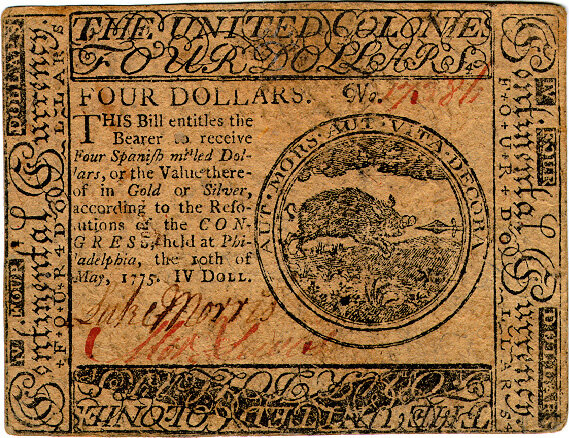
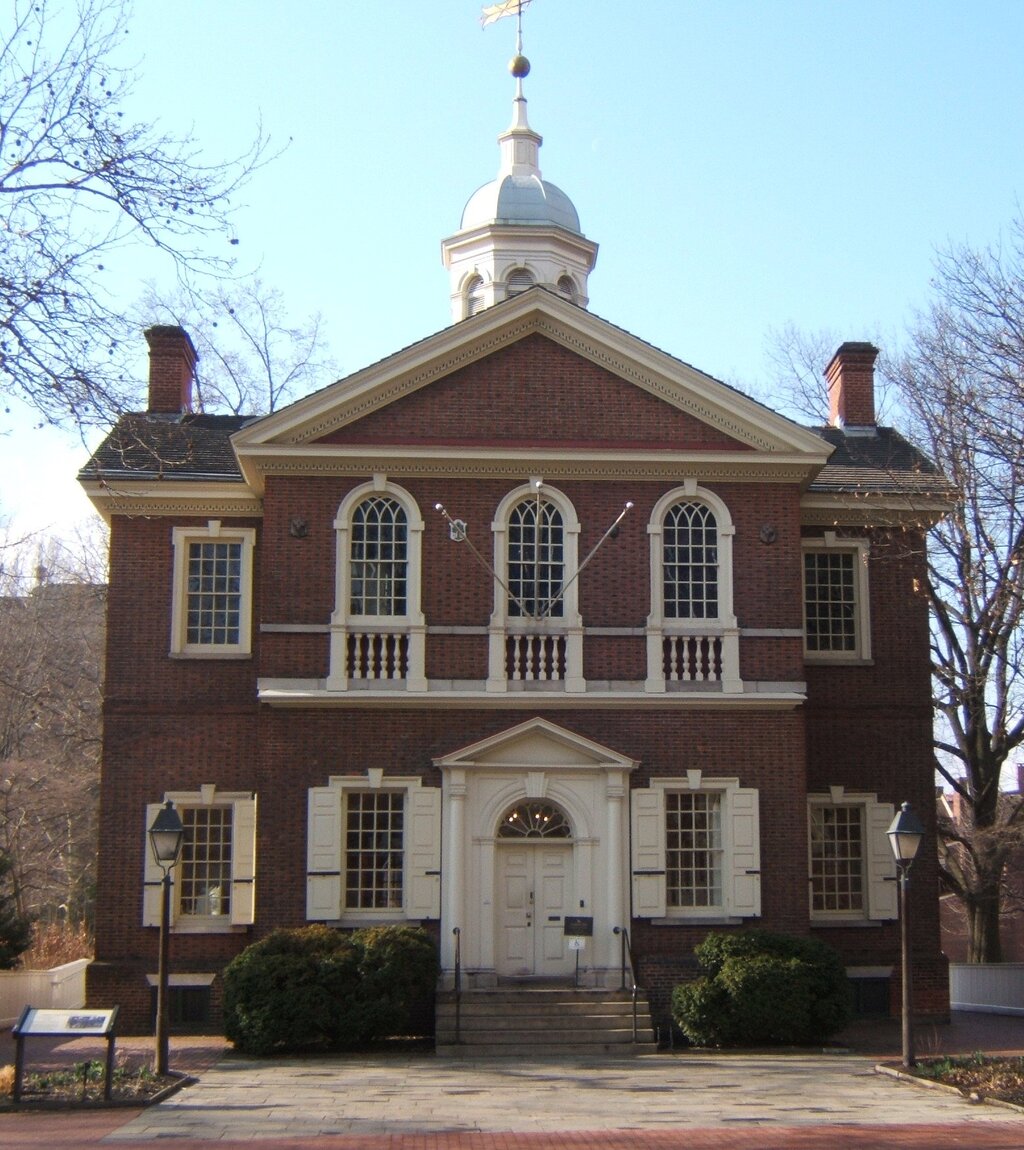
To solve this crisis, Congress approved the creation of the Bank of North America in 1781. Chartered while the war was still ongoing, it was the country's first commercial bank. Its main goal was to provide financial support to the Continental Army and stabilize the young nation's currency. It took deposits, made loans to the government, and issued its own paper money backed by gold and silver, which helped restore public trust in paper currency.
A decade later, a more ambitious project took shape. Alexander Hamilton, the first Secretary of the Treasury, argued for a national bank to manage the government's finances. He envisioned a central institution that could handle federal tax revenue, pay government debts, and issue a single, reliable currency for the whole country.
In 1791, Congress chartered the First Bank of the United States for a period of twenty years. Headquartered in Philadelphia, it was the largest corporation in the country. The bank was controversial, with critics like Thomas Jefferson arguing it gave too much power to the federal government. But it succeeded in managing the nation's debt, creating a stable currency, and promoting economic growth.
From clay tablets in Mesopotamia to the grand visions of Alexander Hamilton, the path to modern banking was long and inventive. Each step, whether a merchant's ledger or a nation's first bank, was a solution to a real-world problem of how to manage, protect, and grow wealth.
In ancient Mesopotamia, what did temples and palaces use as receipts for grain deposits?
The Knights Templar's banking system was primarily developed to solve which major problem for pilgrims?