Introduction to Ballistics
Introduction to Ballistics
What is Ballistics?
Ballistics is the science of how projectiles move. A projectile is any object thrown, shot, or launched into the air. This could be a baseball, a bullet, an arrow, or even a rocket traveling to space. Ballistics looks at the entire journey of these objects, from the moment they are set in motion until they finally come to a stop.
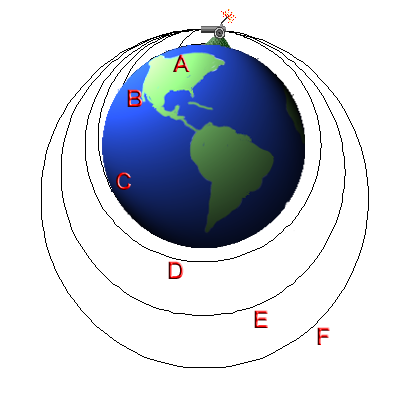
The study of ballistics dates back centuries, to early attempts to aim cannons and catapults more accurately. Scientists like Galileo Galilei and Isaac Newton were among the first to apply mathematical principles to describe the flight paths of projectiles. Their work laid the foundation for modern ballistics, which is now a complex field with applications in everything from sports to space exploration.
A Projectile's Journey
To understand a projectile's complete story, ballistics is broken down into three main branches. Each branch focuses on a different stage of the journey: the launch, the flight, and the impact.
Let's look at each of these stages more closely.
Launch, Flight, and Impact
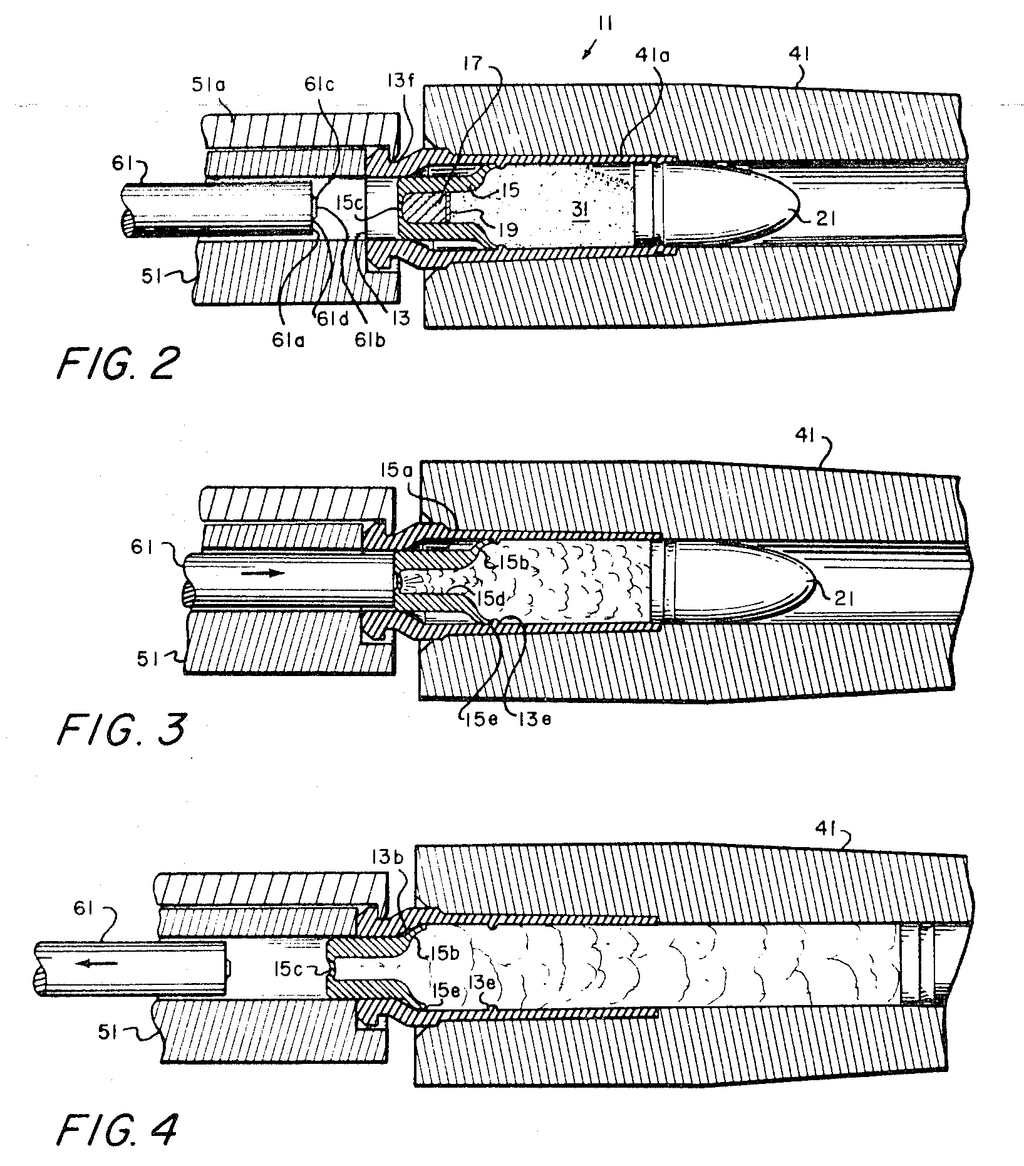
Internal ballistics is concerned with what happens to a projectile before it leaves its launcher. For a bullet, this means everything that occurs inside the gun barrel from the moment the trigger is pulled. It studies how a chemical propellant, like gunpowder, rapidly burns to create high-pressure gas. This expanding gas pushes the bullet down the barrel, accelerating it to a high speed. The design of the barrel, the amount of propellant, and the weight of the projectile are all key factors in this stage.
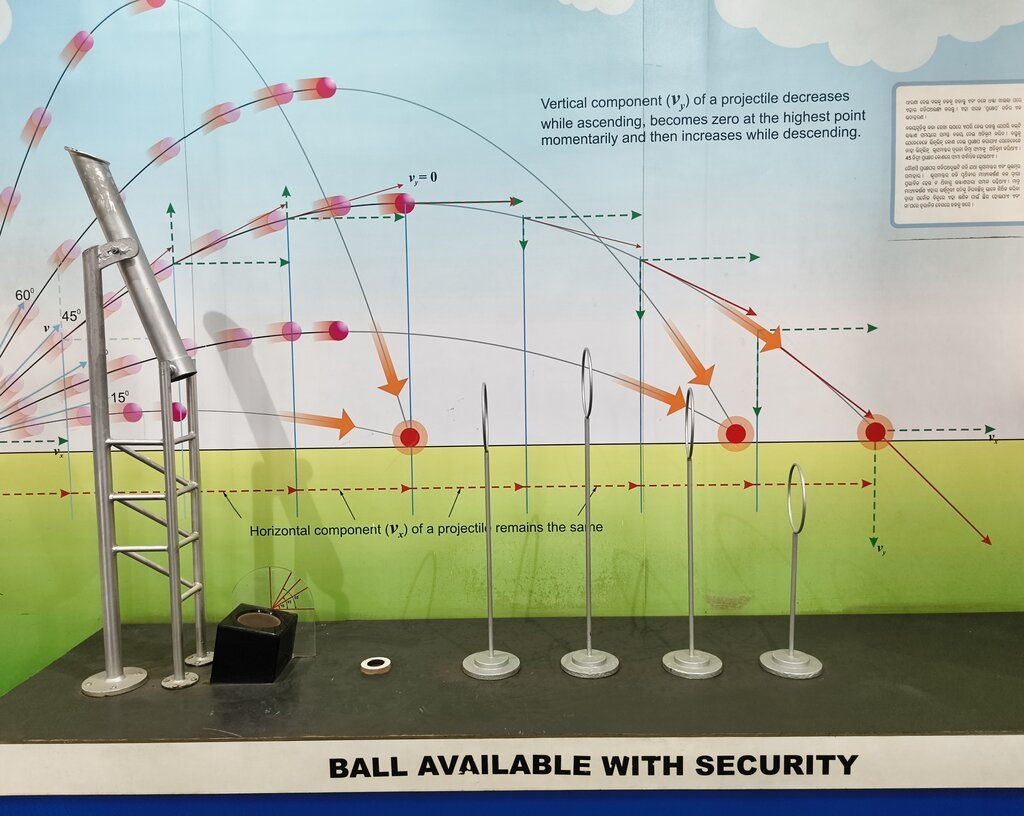
External ballistics takes over the moment the projectile is in the air. This branch studies the flight path, or trajectory, of the projectile as it travels toward its target. The two most important forces acting on the projectile are gravity, which pulls it downward, and air resistance (or drag), which slows it down. These forces cause the projectile to follow a curved path instead of a straight line. Factors like the projectile's shape, speed, and even the weather can have a big impact on its flight.
Terminal ballistics is the final stage. It studies what happens when the projectile hits its target. This branch looks at the transfer of energy from the projectile to the target and the effects of that impact. For example, it might analyze how a bullet penetrates a surface, how a meteor creates a crater, or how a wrecking ball demolishes a wall. The projectile's speed, shape, material, and the nature of the target all determine the outcome of the impact.
By understanding these three areas, experts can predict and control how projectiles behave, a skill crucial in fields ranging from forensic science to engineering.
Let's check your understanding of these core concepts.
Which branch of ballistics is concerned with the flight path of a projectile after it has left the launcher?
An investigator analyzing the crater left by a meteorite is primarily working within the field of ______ ballistics.
Together, these three branches provide a complete picture of a projectile's journey, from its violent beginning to its final impact.