Introduction to B2B Business Models
Introduction to Business Models
What Is a Business Model?
At its heart, a business model is a company's plan for how it will make money. It explains who the customers are, what value the business provides, and how it delivers that value at a profit. Think of it as the blueprint that outlines the core logic of a business.
A business model describes how an organization creates, delivers, and captures value.
Without a clear model, a business is just a collection of ideas. The model connects those ideas into a coherent strategy. While every company's approach is unique, most business models can be grouped into a couple of broad categories.
Two Core Approaches
The most fundamental way to categorize a business is by looking at who its primary customer is. This leads to two main types of business models: Business-to-Consumer (B2C) and Business-to-Business (B2B).
Business-to-Consumer (B2C)
noun
A model where a company sells products or services directly to individual people for their own use.
When you buy groceries, stream a movie, or get a haircut, you're participating in a B2C transaction. The company's focus is on the individual end-user. These businesses often deal with a large number of customers making smaller, more frequent purchases.
Business-to-Business (B2B)
noun
A model where a company sells products or services to other companies or organizations.
In a B2B model, the customer is another organization that uses the product or service to run its own operations. This could be a firm that sells office furniture, a marketing agency that manages ad campaigns for other companies, or a manufacturer that supplies raw materials. B2B transactions often involve fewer customers, but the deals are typically much larger and the sales process is longer.
| Model | Sells Directly To... | Common Example |
|---|---|---|
| B2C | Individual Consumers | A clothing store |
| B2B | Other Businesses | An accounting software provider |
Of course, some companies operate with both models. An electronics store might sell a single laptop to a student (B2C) while also fulfilling a bulk order for a local school district (B2B).
Why It Matters
Understanding a company's business model is crucial because it dictates everything from marketing and sales strategies to product development and customer support. The way you communicate with an individual shopper is very different from how you negotiate a contract with a large corporation.
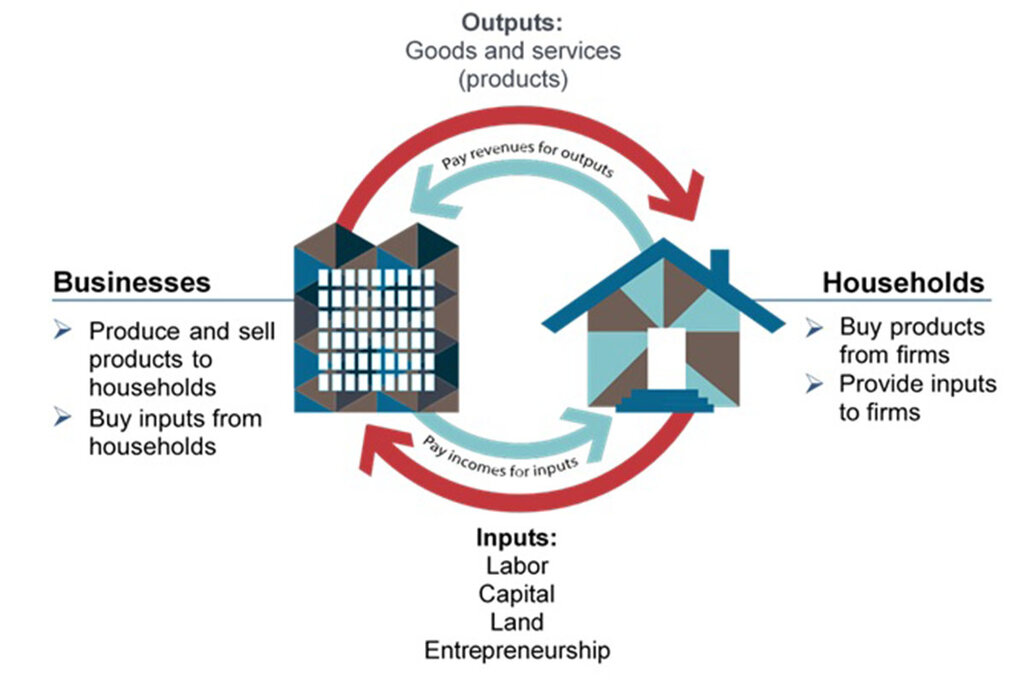
A well-defined business model provides clarity and focus. It helps a company make strategic decisions, allocate resources effectively, and measure its success. For anyone in commerce, grasping these fundamental structures is the first step to understanding how the market works.
What is the core function of a business model?
A key distinction between B2B and B2C models is that B2B transactions typically involve: