Introduction to Automotive Service Technology
Introduction to Automotive Service
The Modern Mechanic
An automotive service technician is a problem-solver for vehicles. They are the professionals who inspect, maintain, and repair cars and light trucks. Their work ensures that vehicles run safely, efficiently, and reliably.
At its core, the job is about keeping people safe on the road by ensuring their vehicles are in top working condition.
A technician's day is rarely the same twice. Key responsibilities include:
- Diagnosing problems: Using both hands-on checks and sophisticated diagnostic equipment to pinpoint issues.
- Performing routine maintenance: This includes tasks like oil changes, tire rotations, and brake inspections.
- Conducting repairs: From replacing worn-out brake pads to more complex engine work, technicians fix what's broken.
- Communicating with customers: Clearly explaining the required work and providing accurate estimates for repairs.
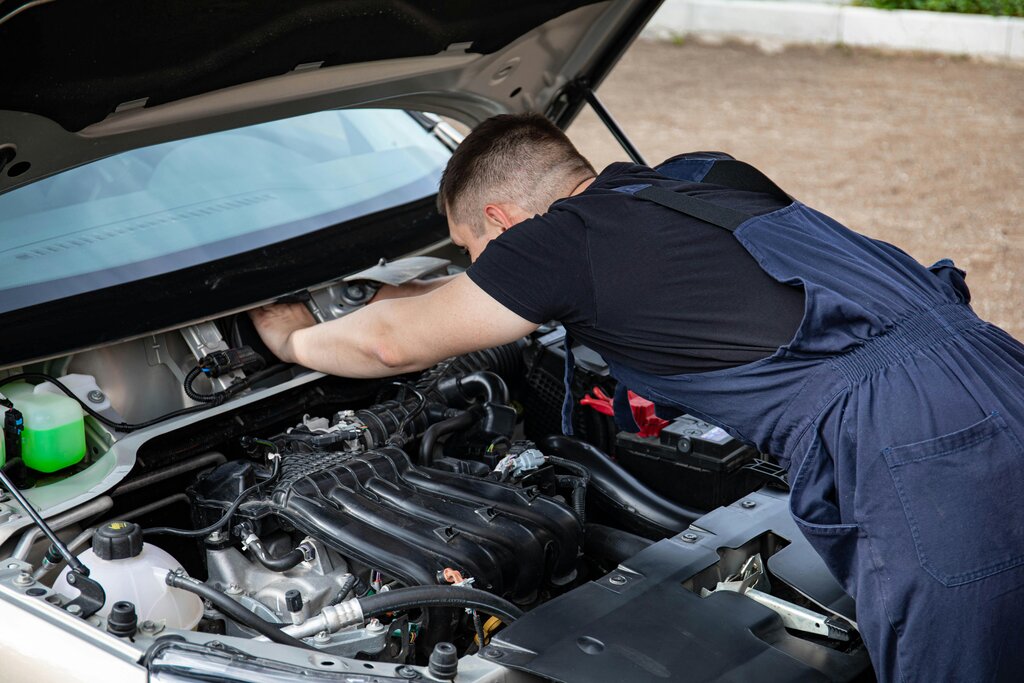
Where Technicians Work
Automotive technicians work in a variety of settings, each with its own unique environment. The most common workplaces are dealerships, independent repair shops, and specialty shops.
| Workplace Type | Description |
|---|---|
| Dealerships | Affiliated with a specific car manufacturer. Technicians specialize in one brand of vehicles. |
| Independent Shops | Service a wide variety of car makes and models. Often family-owned or part of a larger chain. |
| Specialty Shops | Focus on specific types of repairs, such as transmissions, brakes, or exhaust systems. |
The choice of workplace can shape a technician's career. Working at a dealership provides deep knowledge of a single brand, while an independent shop offers exposure to a broader range of vehicles and challenges.
Safety First, Always
An auto repair shop is filled with potential hazards. Heavy lifts, powerful tools, hazardous chemicals, and high-voltage systems in electric and hybrid vehicles all pose risks. Because of this, following strict safety procedures is not just a recommendation—it's a requirement.
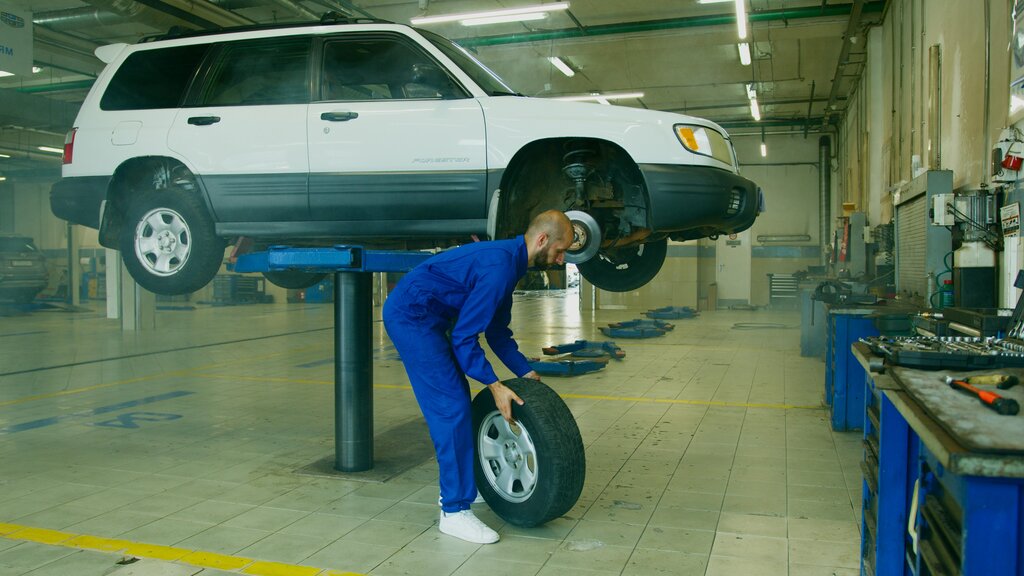
Every technician must use Personal Protective Equipment (PPE), which includes safety glasses, gloves, and sometimes steel-toed boots. They are also trained on the proper use of equipment, fire safety, and how to handle chemicals safely. A clean and organized workspace is also crucial for preventing accidents.
In the workshop, there are no shortcuts when it comes to safety. A safe technician is an effective technician.
Ready to check your understanding?
What is the primary role of an automotive service technician?
Which of the following is NOT a key responsibility of an automotive technician?
Understanding these fundamentals provides a strong base for learning the specific skills of vehicle maintenance and repair.